 Singing Coach AI
Mastering the Classic Rock Shuffle
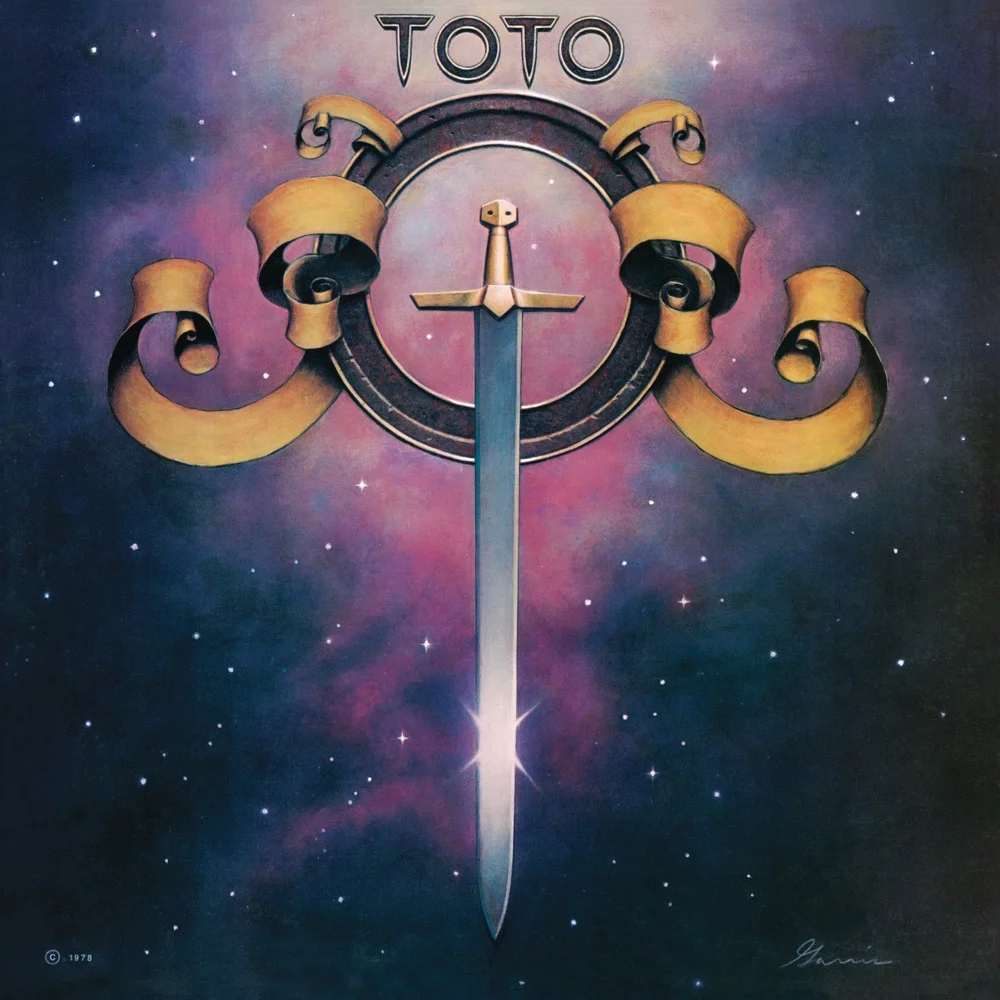
Released in 1978, "Hold the Line" instantly established Toto as musicians' musicians. The track is famous for Jeff Porcaro's "Rosanna Shuffle" prototype on drums and David Paich's driving piano riff. For singers, however, this song is an endurance test.
Bobby Kimball's vocal performance is aggressive, high-energy, and sits persistently in the upper tenor register. There is very little time to rest. To sing this correctly, you must lock into the rhythm and manage your breath support carefully to sustain the power through the choruses.
Phase 1: The Verses (Staccato Delivery)
The verses ("It's not in the way that you hold me") require a punchy, staccato delivery. You are competing with a very busy piano line, so your diction must be razor-sharp.
The Trap: Many singers get lazy with the rhythm here. Keep your consonants crisp. The melody sits comfortably in the middle range (around F#3 to A3), so use this time to conserve energy for the chorus.
Phase 2: The Pre-Chorus Build
As the band builds tension, the vocal melody climbs. The line "It's not in the way that you came back to me" acts as a ramp. You should start adding more "twang" (pharyngeal resonance) here to cut through the mix as the guitars get louder.
- Breath Control: Take a deep, low breath before the final line of the pre-chorus. You are about to hit the hardest part of the song.
Phase 3: The Chorus Belt (High C Challenge)
The chorus is the payoff: "Love isn't always on time!" The melody jumps around the upper passaggio, and the ad-libs frequently hit a High C (C5). This requires a strong mixed voice.
If you try to pull pure chest voice up to that C5, you will strain. Instead, think of narrowing the sound and pointing it forward into the mask of your face. It should feel bright and resonant, not heavy and shouted.