 Singing Coach AI
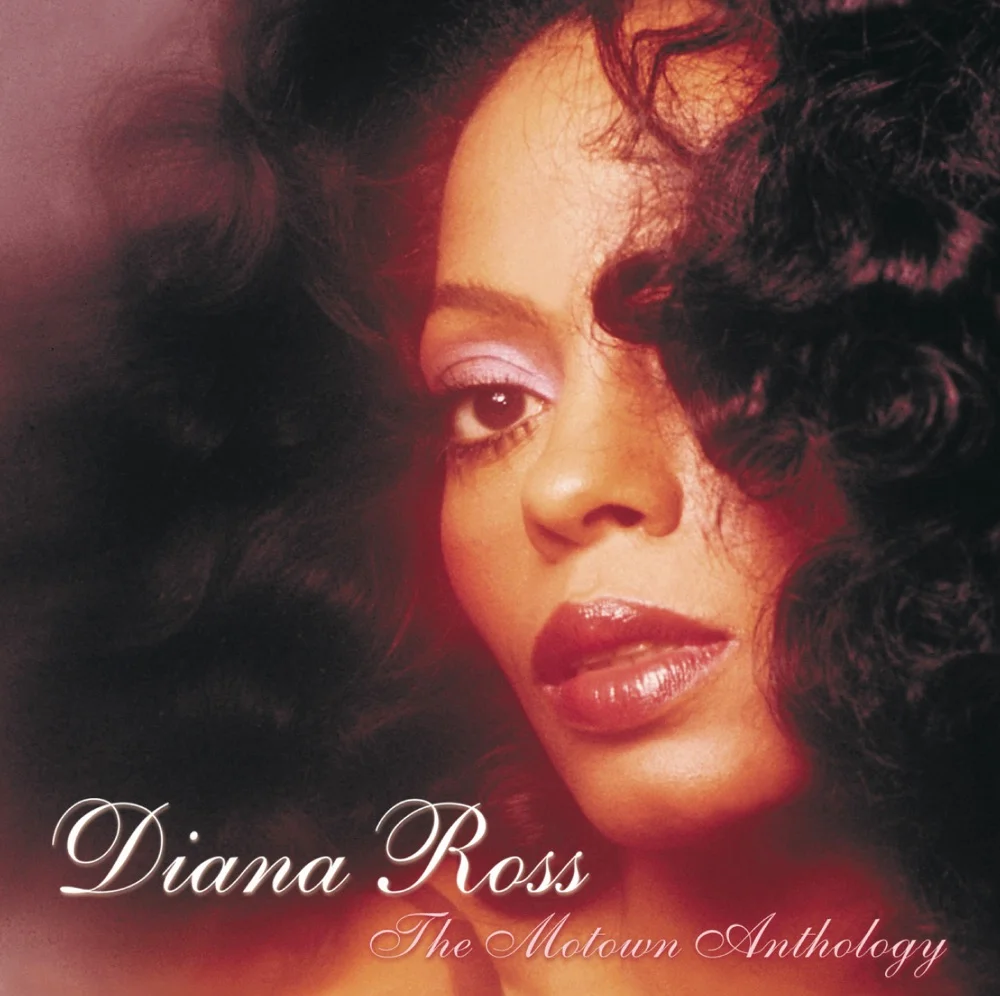
The Soulful Finale of The Wiz
Few songs demand as much emotional vulnerability as "Home," the powerful ballad sung by Diana Ross in the 1978 film adaptation of The Wiz. It begins as a quiet realization and ends as a life-affirming declaration. It bridges the gap between Pop, Soul, and Musical Theatre.
To sing this well, you must master "the build." If you start too loud, you will have nowhere to go. If you don't support the end, you will strain. Let's break down the vocal journey.
Phase 1: The Intimate Verse (0:00 - 1:20)
The song begins in Eb Major. The opening lines, "When I think of home, I think of a place," should be sung with a conversational, almost breathy tone. You are singing to yourself here.
The Trap: Many singers try to add vibrato too early. Keep the tone straight and pure in the beginning to emphasize the innocence of the character.
Phase 2: The Realization (1:20 - 2:45)
As the lyrics shift to "Maybe there's a chance for me to go back," you need to increase your chest resonance. The accompaniment builds, and so must you.
- Phrasing: Focus on legato lines. Connect the words smoothly.
- Breath Control: The phrases get longer here. Take deep, low breaths from the diaphragm between lines like "Is a world left far behind me."
Phase 3: The Powerhouse Climax (2:45 - End)
This is the moment everyone waits for. The song builds to a massive crescendo. Diana Ross uses a distinct forward placement to cut through the orchestration. The key line "And I've learned that we must look inside our hearts" requires full commitment.
To hit the high notes (up to E5) safely, drop your jaw and anchor your body. Do not reach up for the note; think of planting your feet into the ground to support the sound.