 Singing Coach AI
Mastering the "Songbird Supreme"
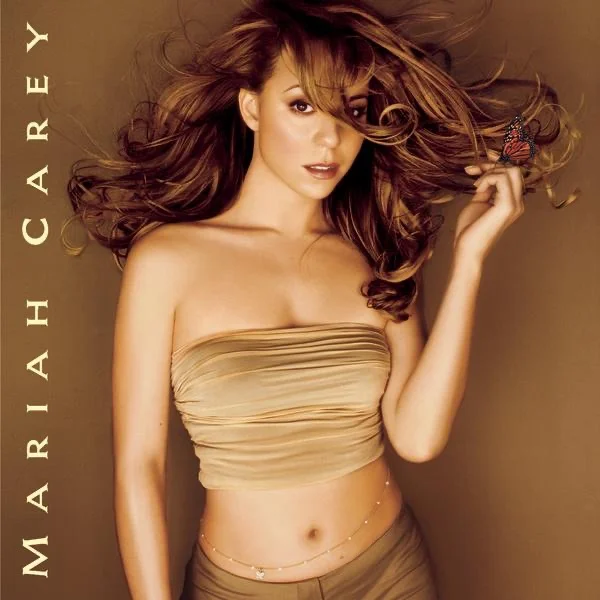
"Honey" marked a pivotal moment in Mariah Carey's career. Released on the 1997 album Butterfly, this track blends pop vocals with Hip-Hop Soul production by Puff Daddy. Unlike her earlier power ballads, "Honey" relies on a distinct, breathy texture and incredibly agile vocal runs.
To sing this well, you need to master the balance between air and tone. It's not about volume; it's about control, rhythm, and the ability to flip into the whistle register for those iconic ad-libs.
Phase 1: The Verses (Groove & Breath)
The verses in "Honey" are sung in a lower, softer register (starting around F3/G3). The challenge is rhythmic precision. You are singing over a heavy beat, so your diction needs to be crisp but your tone needs to remain silky smooth.
The Trap: Because the tone is breathy, singers often go flat. Ensure you are listening to the piano loop (sampled from "The Body Rock") to stay locked into the E♭ Major key.
Phase 2: The Chorus (Harmonies & Agility)
The chorus lifts slightly in intensity but remains light. The main vocal line requires intricate melisma (singing multiple notes for one syllable). Specifically, on the word "Honey," there is a quick descending run.
- Rhythmic Phrasing: Don't drag the notes. The R&B style requires you to be slightly behind the beat (laid back) but precise with the runs.
- Head Voice: The harmonies often sit in a high head voice. Keep your soft palate raised to get that resonant, bell-like quality.
Phase 3: The Ad-libs (Whistle & High Belt)
Toward the bridge and outro, Mariah unleashes her range. There are background belts hitting C5 and D5, and the famous whistle notes reaching up to E♭6.
To practice the high belts, use a "Hey!" sound to find forward placement. For the whistle notes, do not force air. It requires a "zipping" up of the vocal cords. If you cannot hit the whistle notes, it is perfectly acceptable to sing them in a light falsetto or head voice.