 Singing Coach AI
Mastering the Blues-Rock Stomp
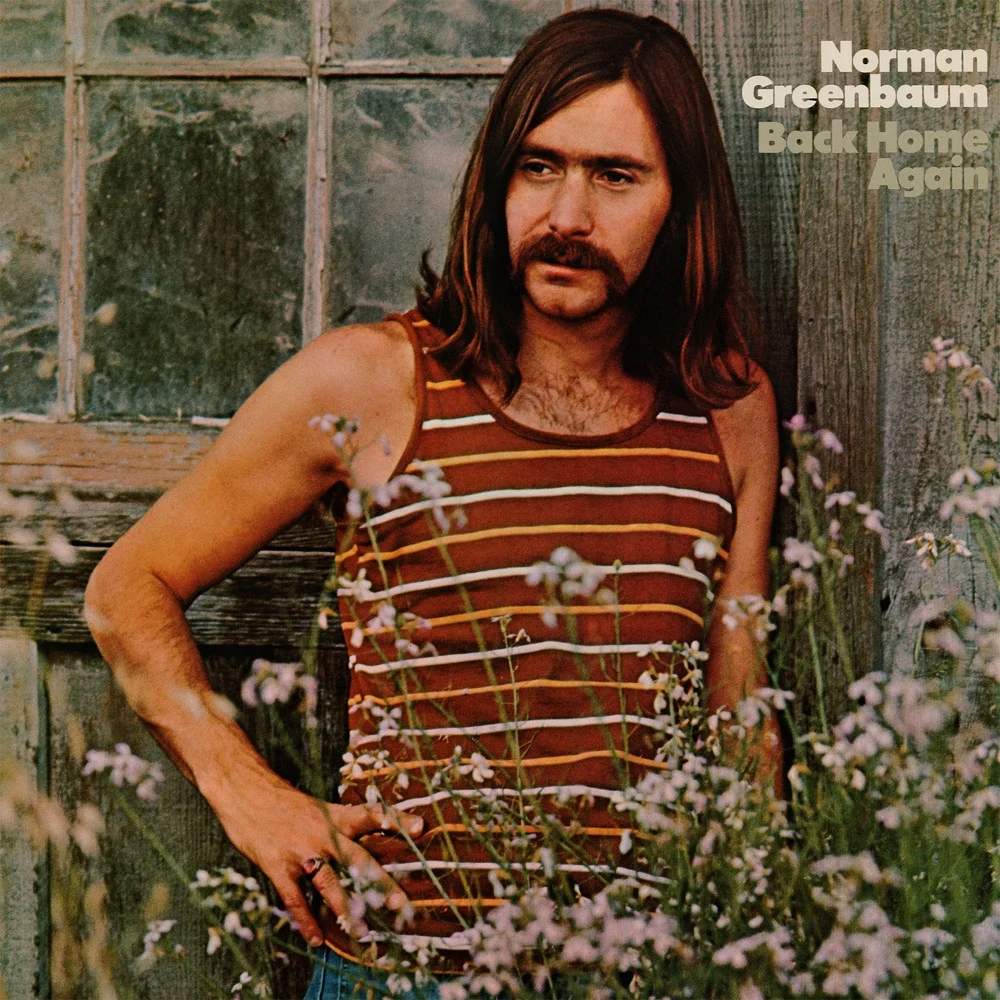
While everyone knows "Spirit in the Sky," Norman Greenbaum's "Hook & Ladder" offers a fantastic study in rhythm and vocal character. Found on the same 1969 album, this track is a quintessential example of psychedelic folk-rock with a heavy blues influence. It requires a different approach than standard pop singing: it's less about pretty vowels and more about attitude, grit, and the "shuffle" feel.
To sing this authentically, you need to lock into the groove. Greenbaum's vocal delivery is almost percussive, matching the staccato guitar riffs. Let's break down the technique required to capture that vintage sound.
Phase 1: The Gritty Verse
The song stays largely in the key of G Major. The verses sit comfortably in a Baritone's chest register. The challenge here is tone color. You want to avoid a clean, "musical theater" sound.
The Technique: Introduce a slight vocal fry at the beginning of phrases. Keep your larynx neutral but allow for a bit of air to create that raspy, folk-rock texture. Think of speaking the lyrics with melody, rather than just singing notes.
Phase 2: The Chorus Hook
When the line "I'll be your hook and ladder" drops, you need to project. This doesn't mean shouting; it means resonance. The melody climbs slightly here, requiring a solid chest-mix.
- Articulation: The words need to be punchy. Emphasize the consonants in "Hook" and "Ladder" to match the snare drum hits.
- Twang: To get that 60s rock sound, use pharyngeal resonance (twang). This brightens the voice and helps it cut through the fuzzy guitar mix without vocal strain.
Phase 3: Sustaining the Energy
The song is relatively short but high-energy. Greenbaum maintains a consistent intensity throughout. Ensure you are supporting your breath from the diaphragm, even during the lower, quieter moments, so you have the power ready for the chorus punches.