 Singing Coach AI
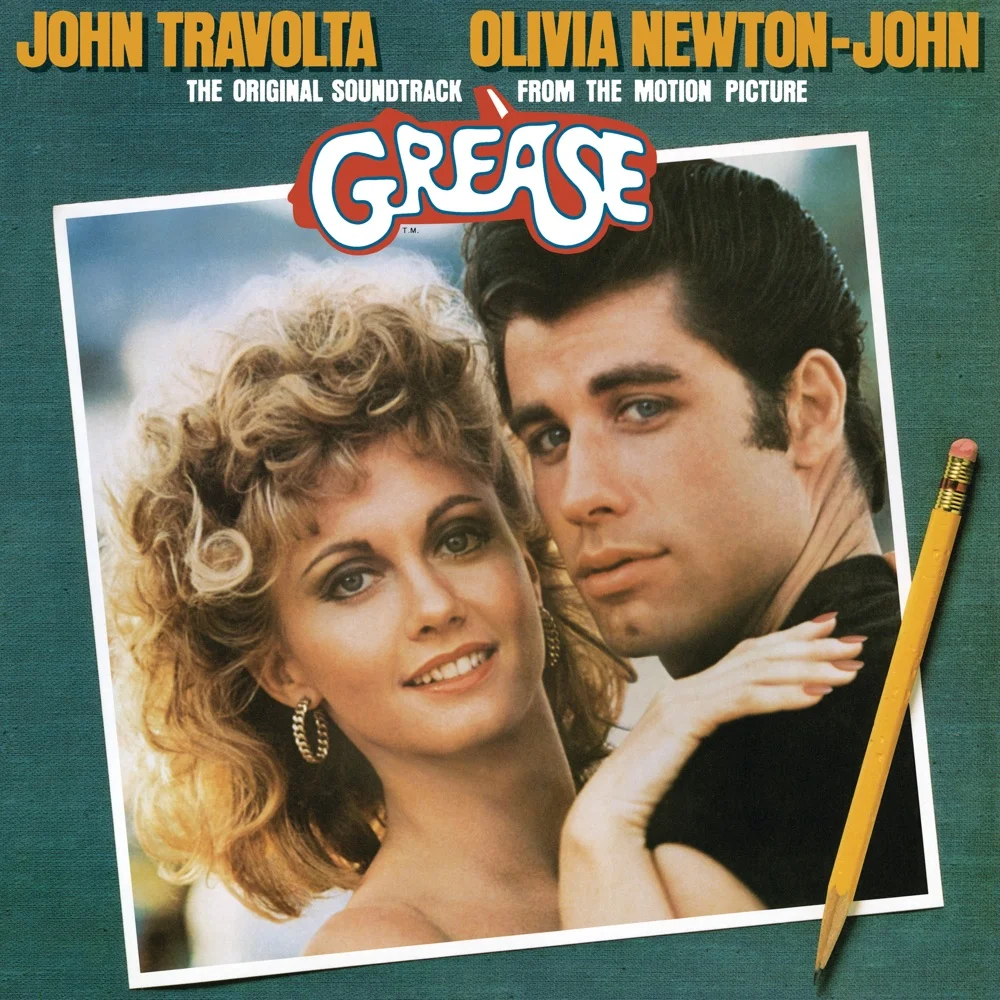
The Ultimate Heartbreak Ballad
"Hopelessly Devoted to You" is a masterpiece of vocal dynamics, famously performed by Olivia Newton-John in the movie Grease. It starts intimate and vulnerable, then builds into a powerful anthem of longing. For a singer, the challenge lies not just in hitting the notes, but in conveying the shift from despair to determination.
To sing this well, you need to master the transition between a breathy, chest-dominant tone in the verses and a bright, resonant mix in the chorus. Let's break down exactly how to tackle it, section by section.
Phase 1: The Verse (Intimacy)
The song begins in a comfortable range. The focus here is storytelling. You want to sound conversational, almost like you are whispering a secret.
The Trap: Because the verse is quiet, singers often lose pitch support. Keep your diaphragm engaged even when singing softly to ensure the pitch doesn't go flat on the ends of phrases like "eyes are wide open."
Phase 2: The Chorus (Power)
The energy shifts dramatically at "But now there's nowhere to hide." This is where you need to bring the sound forward into the "mask" of your face.
- Hopelessly Devoted: The word "Devoted" climbs high. Avoid taking too much chest weight up there or you will strain. Thin out the vowel slightly.
- To You: This phrase requires a smooth descent. Keep the vibrato steady and controlled.
Phase 3: The Climax (The Belt)
The bridge builds tension, leading to the final chorus. The absolute peak of the song hits a D5 belt. To nail this, you need to rely on your mixed voice—blending chest resonance with head voice lightness.
Think of sending the sound out to the back of the room. Drop your jaw and keep your tongue relaxed on the floor of your mouth to create space for the resonance.