 Singing Coach AI
Mastering the Funk Groove
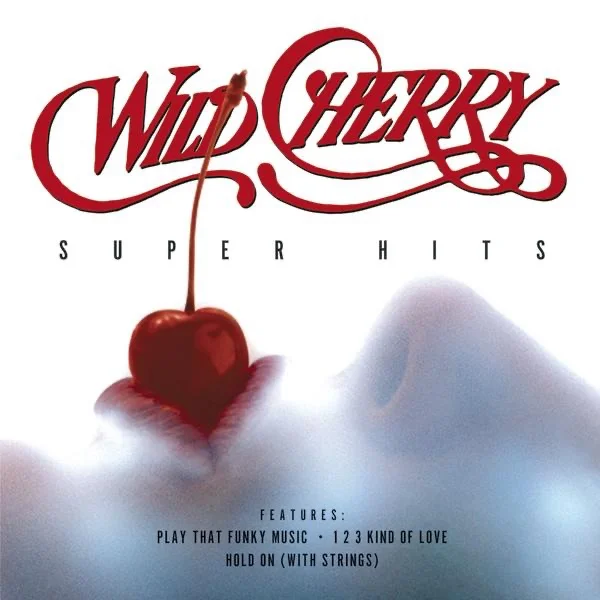
Wild Cherry is best known for "Play That Funky Music," but "Hot to Trot" is another gem that perfectly encapsulates the high-energy funk era of the late 70s. For a vocalist, this song is a masterclass in rhythm. Unlike a ballad where you can stretch time for emotion, funk requires you to be locked in with the drums and bass.
To sing this well, you need to adopt a percussive vocal approach. Your consonants need to be crisp, and your vowels need to be punched rather than slid into. Let's break down how to get that authentic Wild Cherry sound.
Phase 1: The Verse (Attitude and Staccato)
The verses sit in a comfortable mid-range for most male voices (Tenor/Baritone). The challenge isn't pitch; it's delivery. You want to use a "speaking" quality to your singing, almost like rhythmic talking on pitch.
The Trap: Avoid singing too legato (smooth). Keep the phrasing short and choppy to match the guitar riffs. Use a brighter tone placement (in the mask/nose) to get that signature funk "twang."
Phase 2: The Chorus (Energy Lift)
The energy lifts significantly in the chorus. The melody becomes more sustained. You'll need to support your breath from the diaphragm to maintain power without shouting. The hook "Hot to Trot" needs to pop out of the mix.
- Rhythmic accents: Lean into the downbeats.
- Tone: Keep it gritty but controlled. If you push too hard from the throat, you'll lose the pitch.
Phase 3: The Ad-libs and Falsetto
Classic funk vocals often utilize falsetto whoops and screams to accent transitions. While not always melodic, these are crucial for the style. Keep your jaw loose and flip into your head voice quickly for these moments to avoid cracking.
Listen closely to how Rob Parissi uses vocal fry at the start of phrases and flips to head voice at the end. These subtle textures add the "cool" factor to the performance.