 Singing Coach AI
High-Octane Rock 'n' Roll
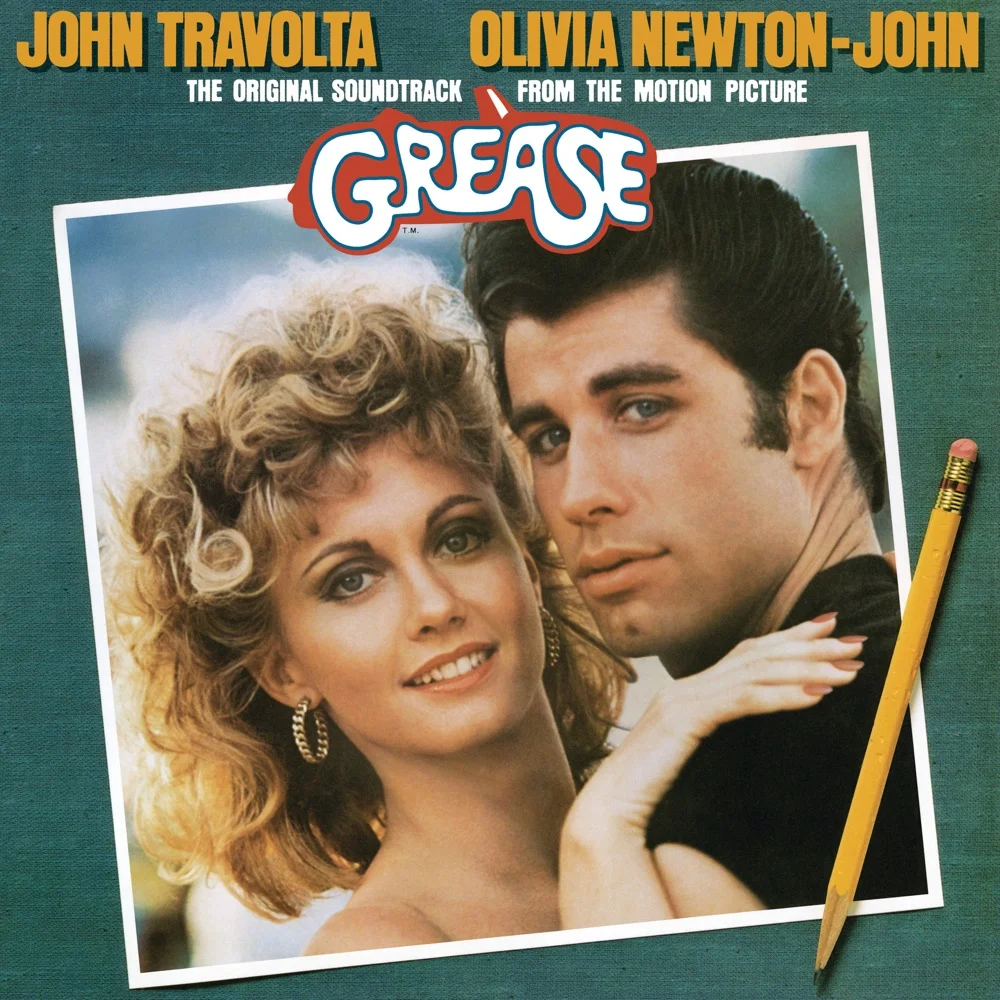
Sha Na Na's version of "Hound Dog," prominently featured in the Grease soundtrack, differs significantly from the laid-back blues of Big Mama Thornton or even the slightly more restrained early Elvis recordings. This version is pure 50s revival chaos: fast, loud, and full of attitude.
To sing this well, you need to abandon the idea of "pretty" singing. This track requires staccato phrasing, a solid chest belt, and the ability to maintain high energy without running out of breath in less than 90 seconds.
Phase 1: The Verse (Attitude Over Accuracy)
The song stays largely on the root note (C3) during the verses. The challenge isn't pitch range; it's rhythmic precision. The line "You ain't nothin' but a hound dog" needs to be spat out, not sung melodically.
The Technique: Use a bit of vocal fry or "growl" at the start of phrases. Keep your larynx neutral but allow your vocal cords to compress slightly to get that rock 'n' roll grit.
Phase 2: The Chorus (The Belt)
When the band kicks in fully, the volume increases. You need to project your voice forward into the "mask" (the front of your face).
- Cryin' all the time: Don't slide up to these notes. Hit them dead on.
- Rabbit: The word "rabbit" in "catch a rabbit" is often shouted. Treat it like a percussion instrument.
- Friend of mine: Drop the volume slightly here to create dynamic contrast before the next verse loops.
Phase 3: The Ending (The Howl)
Classic 50s rock endings often feature a vocal slide or a "howl." In this version, the energy ramps up to a fever pitch. Ensure you are supporting from your diaphragm—if you try to scream from your throat, you will lose your voice immediately.
Use the "twang" technique (similar to a nagging voice) to cut through the loud instrumentation without straining your vocal cords.