 Singing Coach AI
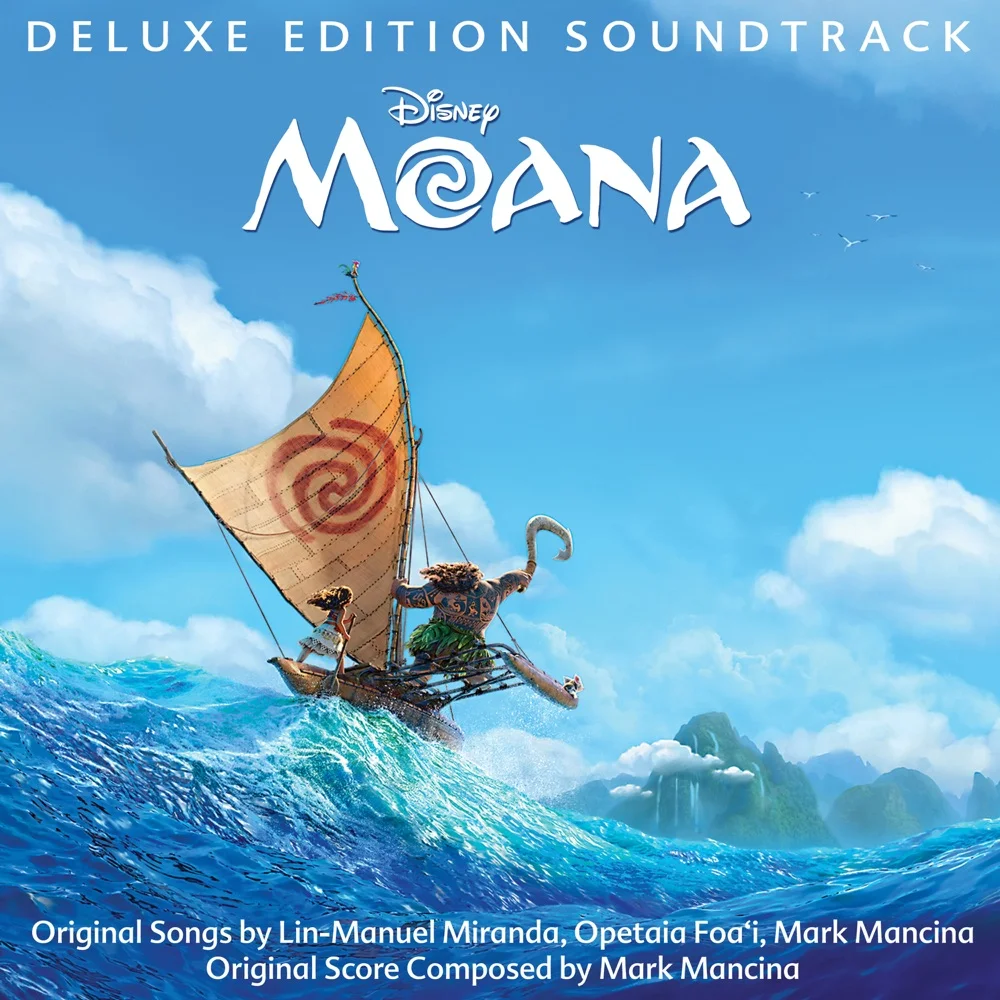
Disney's Modern Anthem of Discovery
Written by Lin-Manuel Miranda for the 2016 film Moana, "How Far I'll Go" is more than just a princess song; it is a masterclass in building tension and narrative storytelling. The song captures Moana's internal conflict between her duty to her village and her longing for the ocean.
To sing this well, you need to balance a conversational, "musical theatre" tone in the verses with a powerful, supported belt in the choruses. The rhythm is syncopated and drives forward, mimicking the movement of the waves. Let's break down exactly how to tackle it.
Phase 1: The Verses (Conversational Tone)
The song starts in E Major. The opening lines ("I've been staring at the edge of the water") sit in a lower, comfortable range (B3). The key here is crisp diction.
The Trap: Because the notes are low, singers often get too relaxed or "breathy." Keep the tone focused and forward. You are telling a story, so emphasize the verbs and the rhythm of the lyrics.
Phase 2: The Chorus (Building Energy)
As the melody lifts, so does the energy. The intervals jump around more, requiring agility. The "I wish" section is a repetitive build-up that acts as a springboard into the chorus.
- Rhythmic Precision: Lin-Manuel Miranda's writing is rhythmic. Do not drag the tempo; stay right on top of the beat.
- Dynamics: Start the chorus at a medium volume (mezzo-forte) so you have somewhere to go for the final climax.
Phase 3: The Key Change & The Belt (2:10 - End)
The bridge builds massive tension, leading to a modulation into F Major. This key change lifts the entire song and signifies Moana's resolve.
The final "How far I'll GO" requires a sustained D5 belt. To hit this safely, drop your jaw and modify the vowel slightly towards "GAH" to open the throat. Engage your core muscles to support the note without straining your vocal cords.