 Singing Coach AI
The "Double Act" Solo
In Chicago, Velma Kelly is desperate to convince Roxie Hart to join her act. "I Can’t Do It Alone" is a masterclass in Vaudeville performance. It requires high energy, sharp comedic timing, and the vocal stamina to sing while "dancing" (or at least sounding like you are).
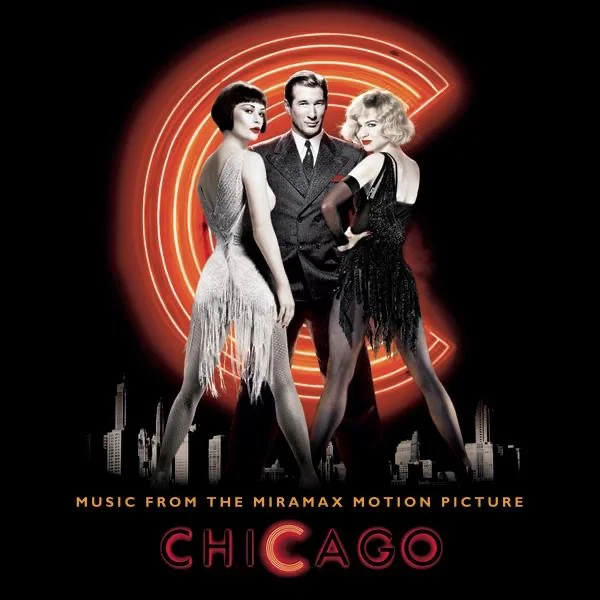
Catherine Zeta-Jones' version from the 2002 film is iconic for its breathy desperation mixed with polished professionalism. To nail this, you need to balance character acting with solid vocal technique.
Phase 1: The Sales Pitch (0:00 - 1:15)
The song starts in a comfortable speaking range. Velma is selling an idea. Keep the tone conversational but punched with accents on the downbeats. The challenge here is the rhythm; you must be locked into the orchestra.
The Trap: Don't sing this too "prettily." It needs a brassy, chest-dominant sound. When she says "My sister," there should be a warmth, but when she switches to the act description, it becomes sharper and brighter.
Phase 2: The Physical Comedy (1:15 - 2:30)
This section is where Velma demonstrates the act. Even if you aren't doing cartwheels, your voice needs to convey movement. Zeta-Jones uses short, sharp breaths to simulate the effort of the dance without losing her vocal support.
- The "Sister" Voice: You may need to alter your tone slightly to mimic the imaginary sister, making the "two-person" illusion convincing.
- Breath Control: The phrases are long and rapid. Plan your breaths during the instrumental breaks or the comedic pauses.
Phase 3: The Big Belt (2:30 - End)
As the song reaches its climax, the desperation grows. The final section requires a transition into a powerful mixed belt. The line "I simply cannot do it alone!" climbs the scale.
The final note is a sustained D5 (in many arrangements). To hit this, drop your jaw and engage your core. Do not squeeze the throat. Think of sending the sound "out and over" the audience to achieve that ringing Broadway quality.