 Singing Coach AI
Singing with "Uncle Albert" Energy
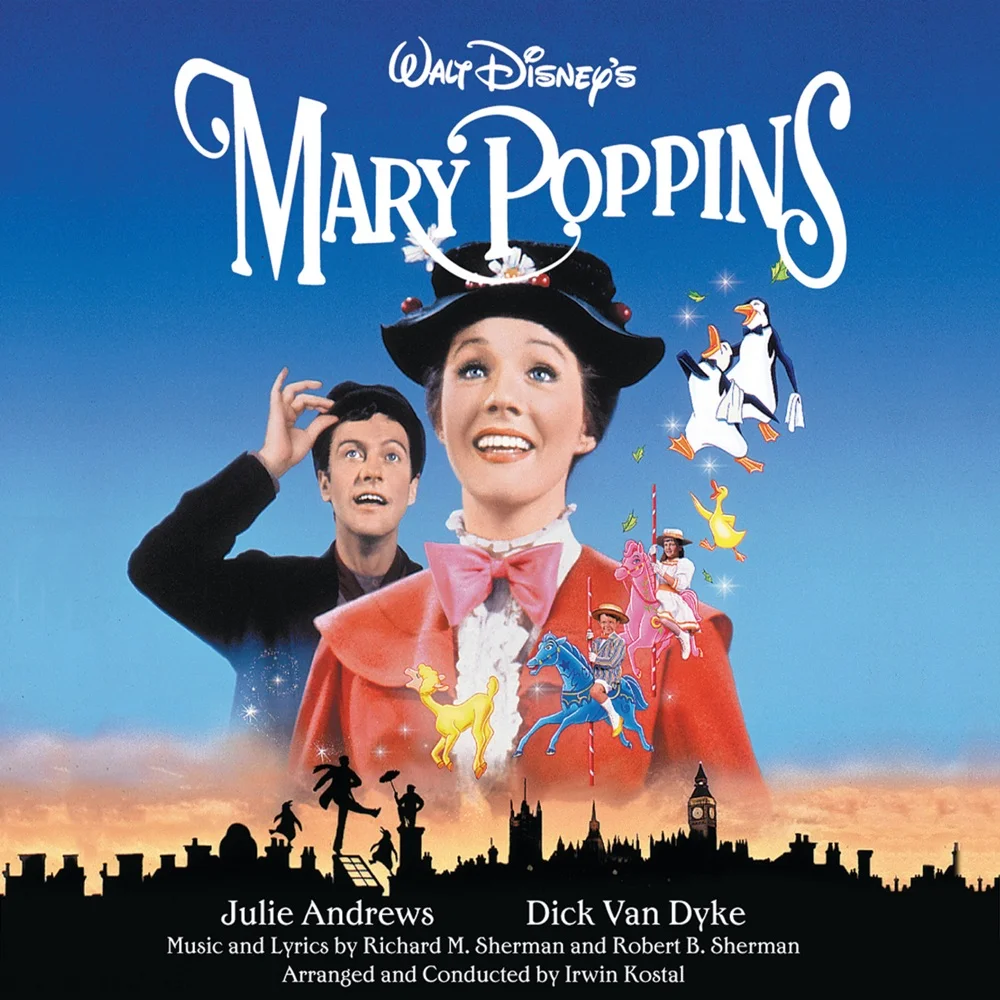
"I Love to Laugh" is a masterclass in character singing from the 1964 classic Mary Poppins. Performed by the legendary Ed Wynn (Uncle Albert) and Dick Van Dyke (Bert), the song requires you to abandon vanity and embrace a "perfect fool" mentality. It isn't about hitting perfect notes; it's about brightness, placement, and contagious joy.
To sing this well, you need to navigate the fine line between singing and speaking (sprechstimme), while managing your breath support so genuine-sounding laughter doesn't leave you gasping for air.
Phase 1: The Uncle Albert Tone
Ed Wynn's voice is iconic because of its wavering, "old man" vibrato and high, nasal placement. To mimic this safely:
- Placement: Keep the sound forward in the "mask" (the nose and cheekbones). This gives it that bright, ringing quality.
- The Wobble: Allow your vibrato to be slightly wider than usual. It creates a comedic, unstable effect that matches the character floating in the air.
- Diction: Enunciate clearly. "The more I laugh, the more I fill with glee" must be crisp.
Phase 2: The Bert Duet
When Dick Van Dyke enters, the song grounds itself slightly. Bert acts as the rhythmic anchor to Uncle Albert's flightiness. If you are singing Bert's part, use a warmer, chest-voice dominant tone to contrast with the nasal quality of Albert. This section introduces simple harmonies that are great for beginners to practice.
Phase 3: Controlled Chaos
The hardest part of this song is the interludes of laughter. In the recording, the laughter is rhythmic. It often lands on the beat. Don't just laugh randomly; listen to the backing track. Treat the laughter as percussion instruments. Pitch your laughter to match the chord changes—starting low and sliding up (glissando) creates the "rising" effect.