 Singing Coach AI
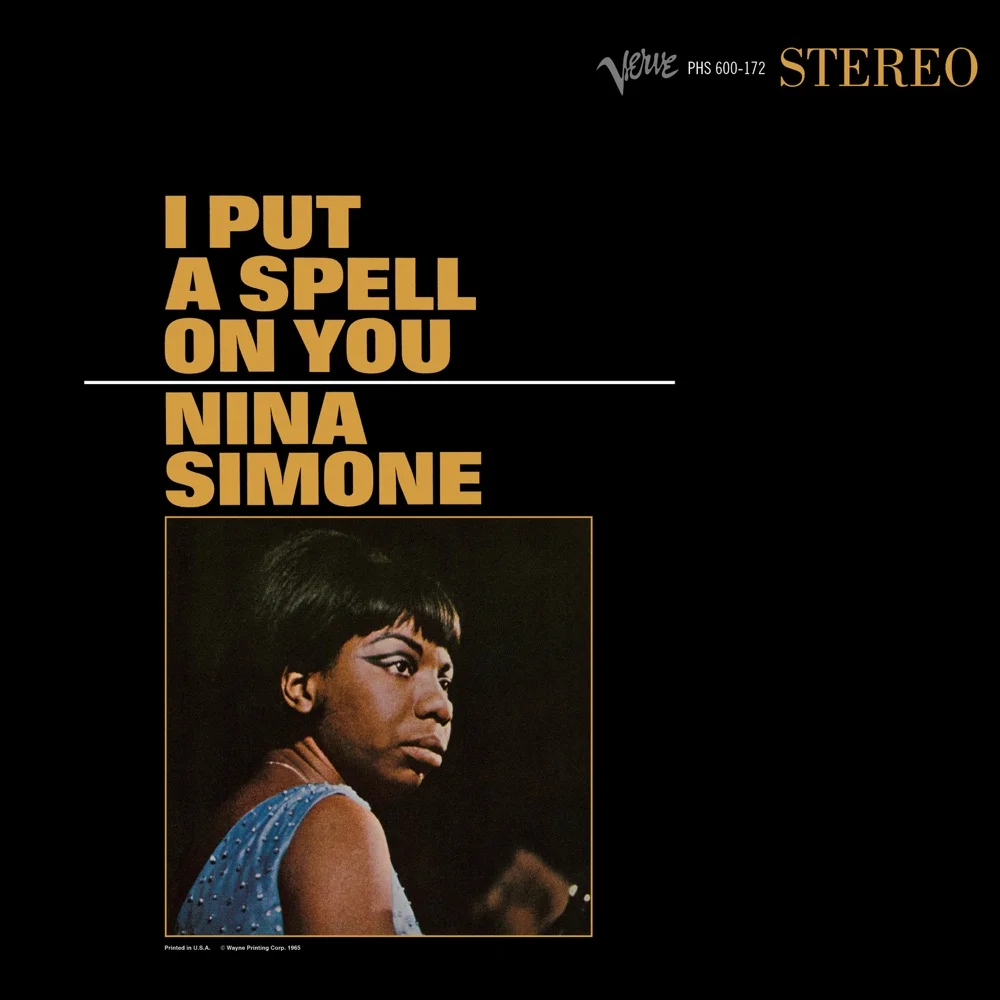
The High Priestess of Soul
Originally written by Screamin' Jay Hawkins, Nina Simone transformed I Put a Spell on You into a haunting, sophisticated jazz waltz. While the original was theatrical and wild, Nina’s version is simmering with restrained intensity. It relies less on vocal acrobatics and more on tone, timing, and deep emotional resonance.
To sing this effectively, you must be comfortable in your lower register. The song sits firmly in the chest voice, requiring a rich, warm timbre. The challenge is maintaining pitch accuracy while delivering the loose, "behind the beat" phrasing characteristic of jazz.
Phase 1: The Simmer (0:00 - 1:15)
The song opens in F# minor with a rolling piano accompaniment. Your entry on "I put a spell on you" should be dark and authoritative. You are not asking; you are declaring.
The Trap: Many singers rush the tempo here. This is a slow 6/8 feel. Practice laying your vocals slightly back in the pocket, delaying your entry on words like "mine" and "stop" to create tension.
Phase 2: The Instrumental Conversation (1:15 - 1:45)
One of the most unique aspects of Nina's version is how she interacts with the saxophone solo. She doesn't just wait for her turn; she vocalizes. She uses hums, "oohs," and scat syllables to weave in and out of the instrumental melody.
- Resonance: Keep these vocalizations in your "mask" (the front of your face) to ensure they cut through the mix without overpowering the sax.
- Improvisation: This section allows for freedom. Do not try to copy the record note-for-note here; instead, focus on matching the intensity of the band.
Phase 3: The Outburst (1:45 - End)
The dynamic level rises. On the line "I love you, I love you, I love you anyhow," Nina pushes her chest voice higher. This is where you need excellent breath support.
To hit the higher notes in the ad-libs (up to D5) without strain, engage your abdominal muscles and think of the sound traveling down into the floor rather than reaching up. This anchors your larynx and prevents the tone from becoming thin or shrill.