 Singing Coach AI
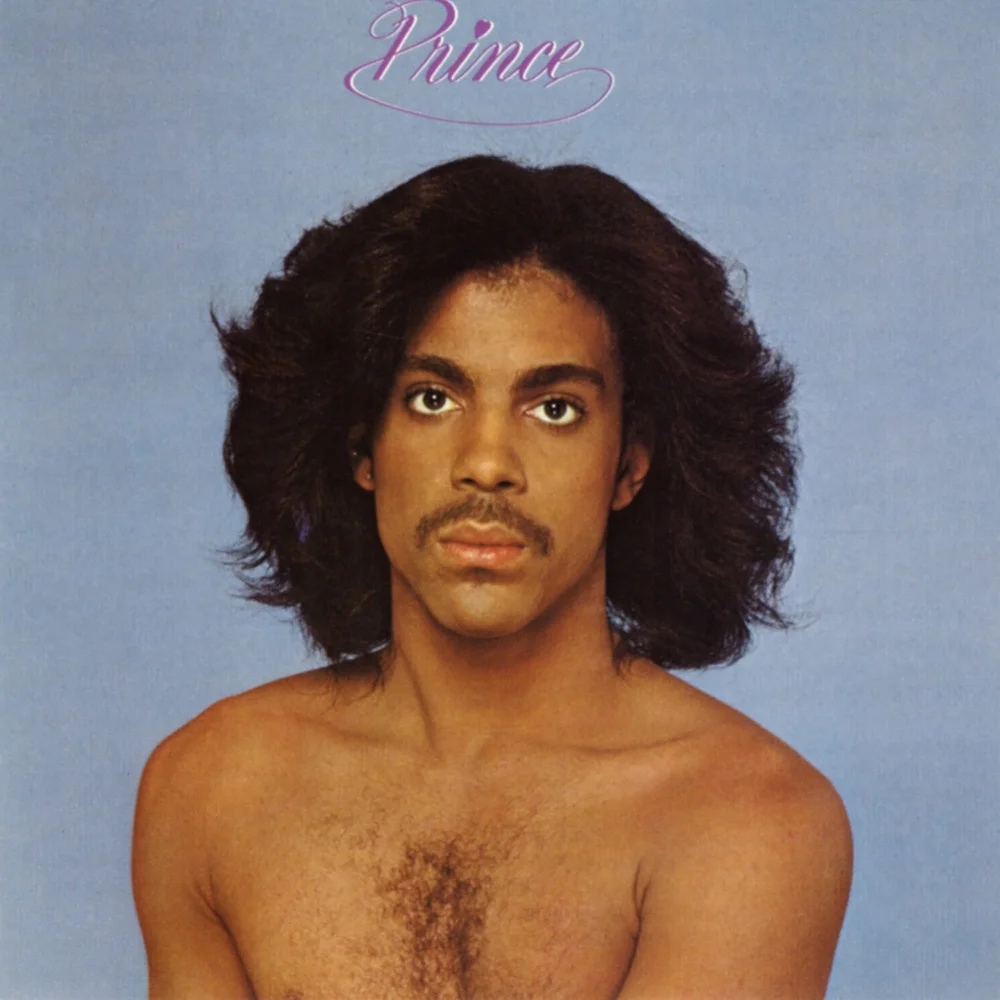
The Quintessential Funk Falsetto
Released as the lead single from his self-titled 1979 sophomore album, I Wanna Be Your Lover is the song that introduced the world to Prince's genius. It remains one of the finest examples of sustained falsetto singing in pop music history. Prince reportedly played every instrument on the track himself, crafting a tight, rhythmic soundscape that requires the vocalist to be both an instrument and a storyteller.
Singing this song isn't just about hitting high notes; it's about maintaining a consistent, "silky" texture without fatigue. You must navigate the break between your chest and head voice smoothly, though the song resides almost entirely in the latter.
Phase 1: The Verses (0:18 - 0:50)
The verses sit in a comfortable mid-range falsetto. The melody is repetitive and rhythmic. The challenge here is breath control. Prince sings with a slightly breathy tone ("I ain't got no money"), but he never runs out of air.
Technique: Use "staccato" abdominal pulses to match the funk guitar rhythm. Don't drag the notes; keep them short and punchy.
Phase 2: The Chorus (0:50 - 1:20)
This is where the melody soars. The line "I wanna be your lover" jumps up to the upper register. You need a bright, forward placement.
- Placement: Focus the sound behind your nose (the "mask") rather than in your throat. This provides the "ping" needed to cut through the mix.
- The Scream: Prince often accents the end of phrases with a short, controlled shriek or "whoop." Treat this as a percussion instrument rather than a melodic note.
Phase 3: The Spoken Outro (2:50+)
Toward the end of the vocal section, Prince drops the falsetto for a spoken-word delivery ("I wanna be the only one you come for"). This requires a sudden shift to chest voice.
The contrast is what makes it effective. Ensure your speaking voice is deep, resonant, and relaxed to maximize the difference from the high-flying falsetto that preceded it.