 Singing Coach AI
The Ultimate Anthem of Liberation
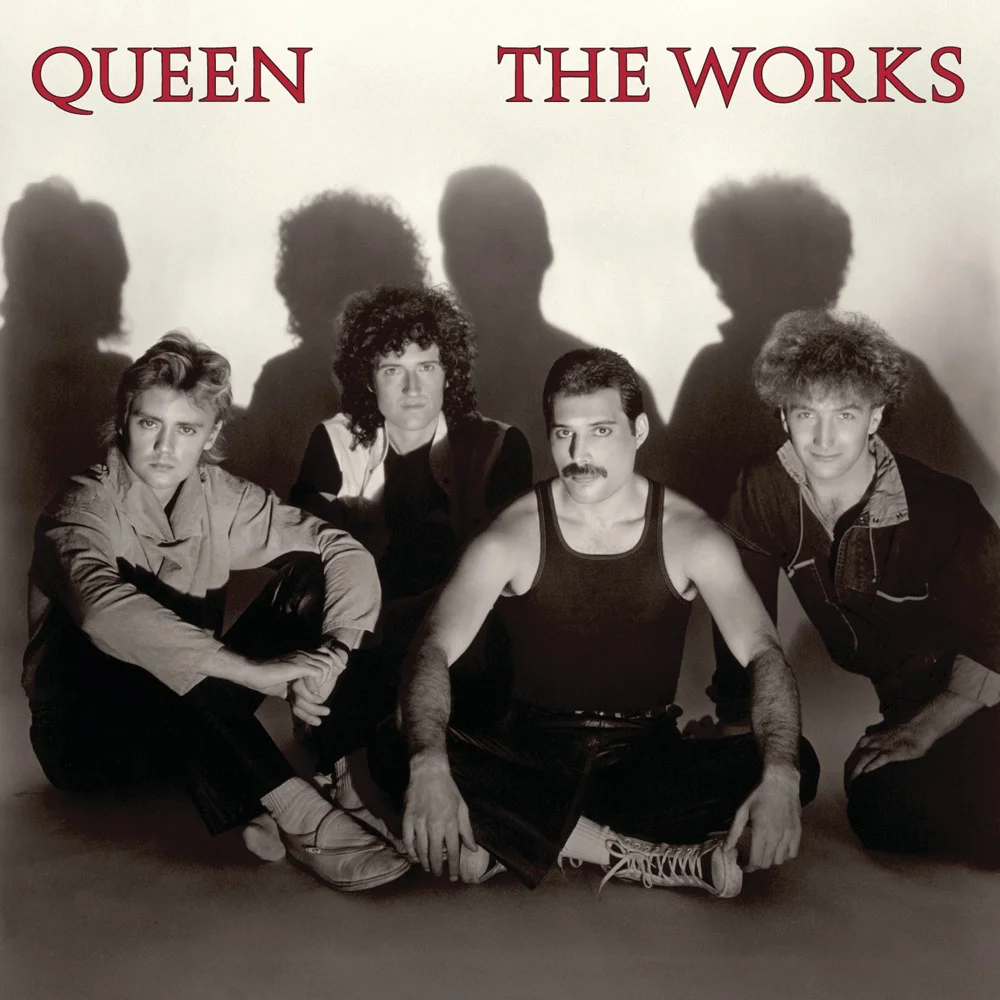
"I Want to Break Free" is one of Queen's most recognizable hits, written by bass player John Deacon for the 1984 album The Works. Famous for its music video featuring the band in drag, the song itself is a masterclass in controlled rock singing. It relies heavily on synth textures and a vocal performance that balances restraint with explosive emotion.
Unlike the operatic complexity of other Queen tracks, this song challenges you to maintain pitch accuracy over long, sustained notes while conveying a deep sense of longing. Let's break down the vocal strategy.
Phase 1: The Verses (Restraint)
The verses ("I've fallen in love...") sit in a comfortable lower register (around E3). The danger here is sounding bored. You need to keep the tone warm and resonant. Avoid "frying" your voice; keep the airflow consistent even at low volumes.
The Trap: Many singers lose diction on the lower notes. Enunciate clearly on "fallen in love" so the lyrics cut through the mix.
Phase 2: The Chorus (Power)
This is the money moment. The line "God knows, God knows I want to break free" jumps up in range. Freddie uses a powerful mix voice here. He isn't pulling up his heavy chest voice (which would sound shouted), but he isn't using falsetto either.
- Placement: Aim the sound forward, towards the "mask" of your face.
- Vowel Mod: Modify the "Oh" in "God" slightly towards "Ah" to keep the throat open.
- Dynamics: This section should be noticeably louder than the verses.
Phase 3: The Synth Solo Transition
Following the iconic synth solo (originally played by Fred Mandel), the song enters a bridge section with vocal ad-libs. This is where you can show off your range. The "Oh-oh-oh" vocalizations require agility to slide between notes cleanly without smearing the pitch.