 Singing Coach AI
The Art of the Jazz Duet
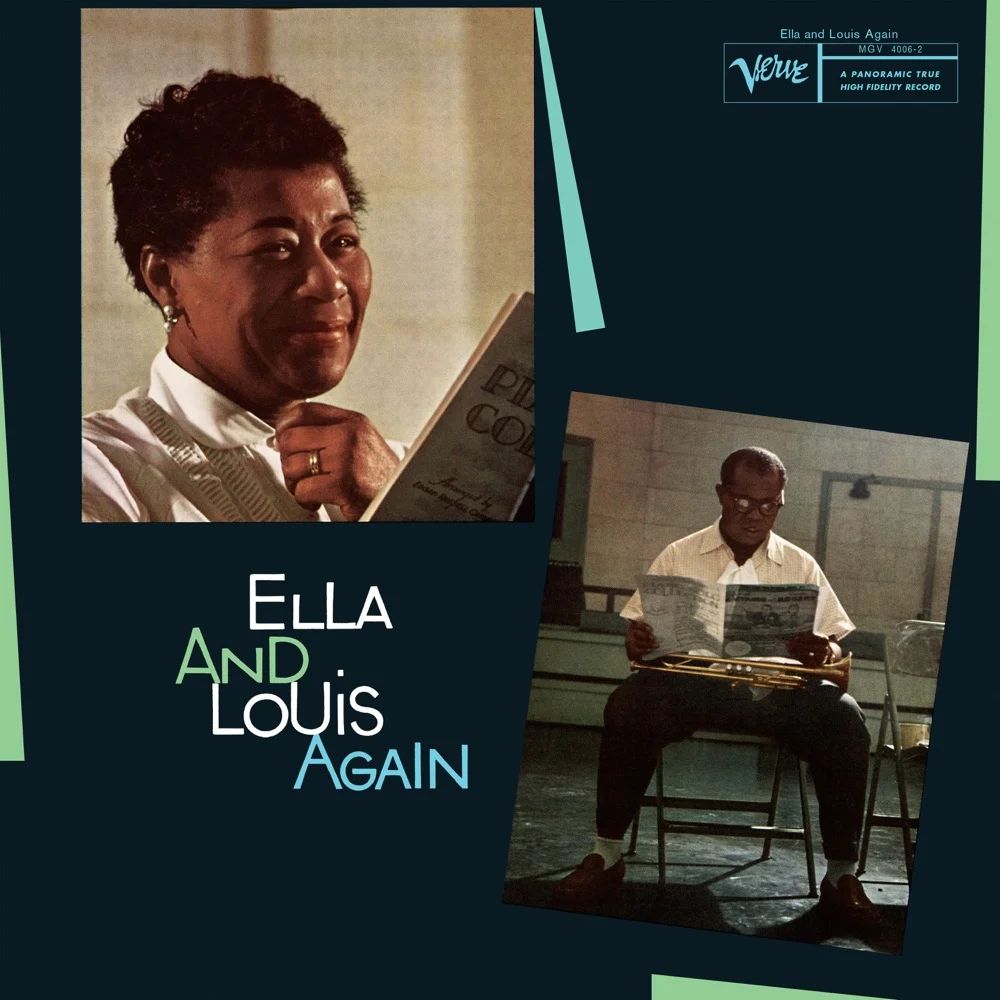
From the album Ella and Louis Again (1957), "I Won't Dance" is a masterclass in vocal chemistry, timing, and character work. Unlike pop songs that require perfect pitch precision above all else, this track demands "attitude" and "feel."
The song features a conversational structure where Louis Armstrong's gravelly persuasion meets Ella Fitzgerald's bright, coy reluctance. To sing this well, you need to understand the push-and-pull of the rhythm section and how to deliver lyrics as if you are speaking them in a crowded room.
Phase 1: The Louis Approach (Gravel & Groove)
Louis enters with a relaxed, low-larynx placement. He isn't singing loudly; he is crooning. For the line "Have you ever seen a girl...", focus on chest resonance.
The Trap: Many singers try to force a fake rasp by squeezing their throat. This causes strain. Louis's sound came from his false cords and relaxed placement. If you can't do the grit safely, focus on the warmth and the phrasing instead.
Phase 2: The Ella Approach (Clarity & Smile)
Ella's entry provides a stark contrast. She sings with a "smile" in her voice, raising the soft palate to create a brighter tone. Her diction is impeccable.
- The Melody: "I know that music is soft..." needs to be sung with a smooth legato line, connecting the words fluidly.
- The Pitch: Ella hits the center of the pitch instantly. Do not slide (scoop) into notes unless it is a deliberate stylistic choice.
Phase 3: The Interplay (The Bridge)
When the voices come together or trade lines rapidly, timing is everything. The bridge section ("Oh, I know that music is soft...") requires you to lock in with the walking bass line.
The charm of this song is the acting. You aren't just singing notes; you are playing a character who is being tempted to dance. Let the playfulness shine through in your tone.