 Singing Coach AI
Mastering the "Train" Sound
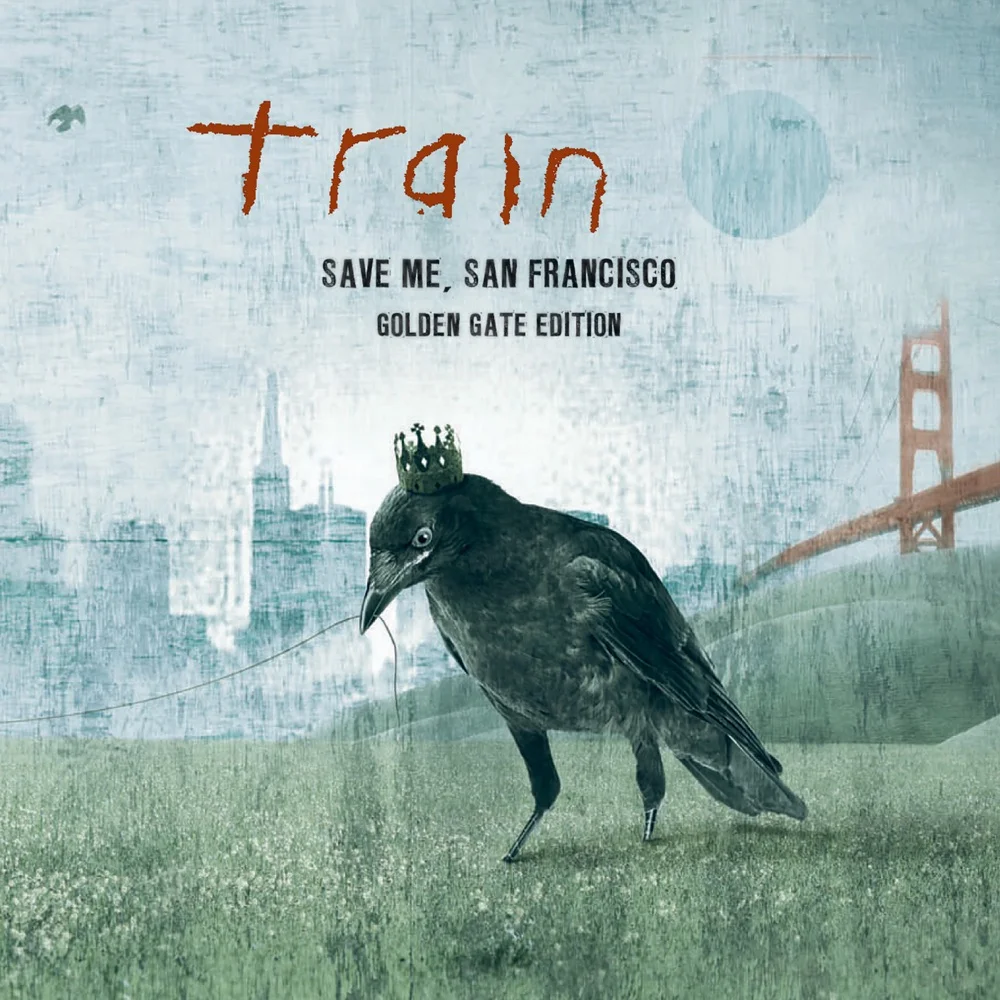
"If It’s Love" by Train is a quintessential pop-rock anthem from the 2009 album Save Me, San Francisco. Lead singer Pat Monahan is known for his incredible vocal agility and distinct tone. The song may sound breezy and casual, but it requires precise breath control and a mastery of the "passaggio"—the bridge between your chest and head voice.
To sing this well, you need to adopt a conversational tone for the verses while maintaining enough resonance to flip into a bright falsetto for the chorus hooks. Let's break down exactly how to tackle it.
Phase 1: The Conversational Verses
The song starts in Eb Major. The verses are wordy and rhythmic ("While everybody else is getting out of bed..."). The challenge here isn't range, but diction and flow.
The Trap: It is easy to drag the tempo or slur the words. Keep your consonants crisp and your placement forward (feel the vibration in your mask/nose area) to get that bright pop-rock sound.
Phase 2: The Chorus Flip
The chorus features the line "If it's love," which jumps immediately into the upper register. This is the signature moment of the song.
- The Flip: You must switch to a reinforced falsetto or head voice for the high notes. If you try to pull your heavy chest voice up here, you will strain.
- Resonance: Keep the sound light and "heady." Imagine the sound coming out of the top of your head rather than your mouth.
- Agility: The melody moves quickly. Practice the interval jump slowly to ensure you are landing exactly on pitch before speeding it up.
Phase 3: The Bridge Build-up
The bridge adds emotional intensity. The instrumentation thickens, and your vocal volume should match it. This section stays mostly in the chest/mix voice range, requiring more support from your diaphragm.
Focus on "twang" (narrowing the epiglottis slightly) to cut through the mix without needing to shout. This preserves your stamina for the final chorus.