 Singing Coach AI
Mastering the 2000s Post-Grunge Ballad
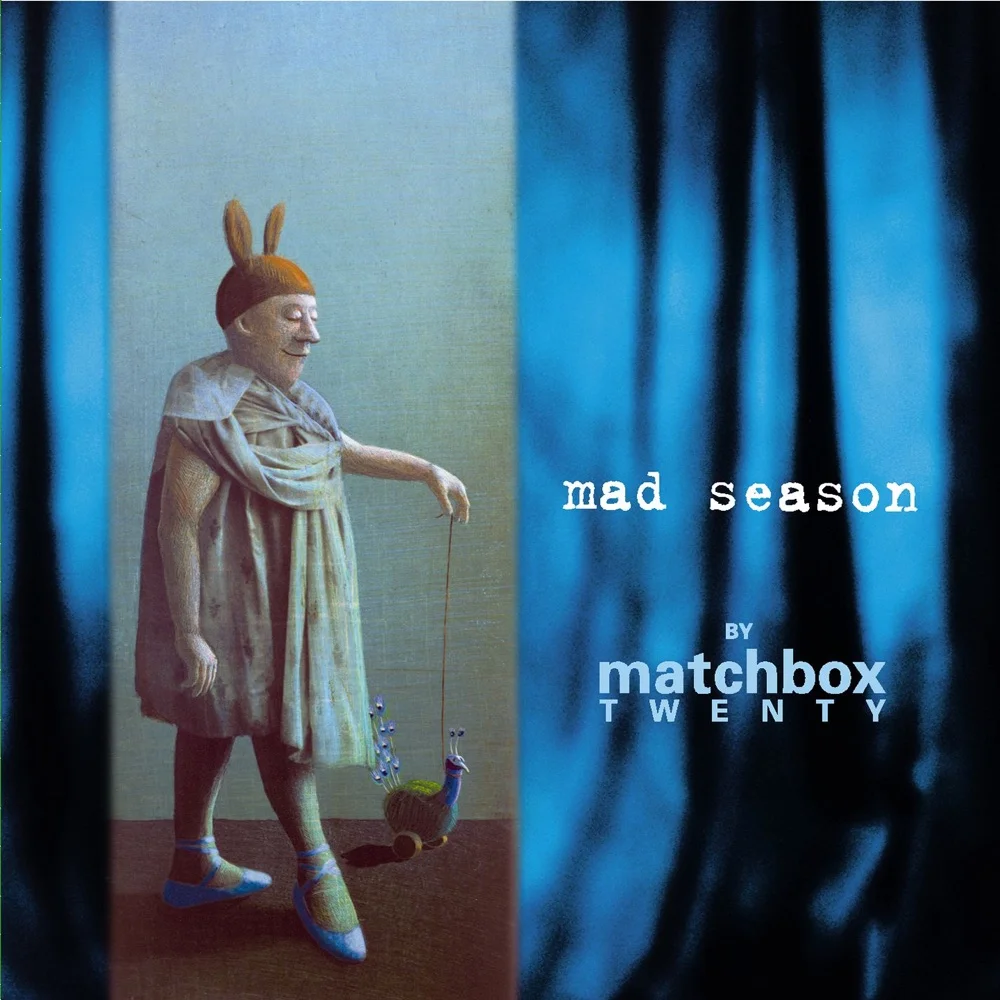
"If You’re Gone" is a standout track from Matchbox Twenty's Mad Season. Written by Rob Thomas for his wife, the song moves away from standard rock instrumentation, utilizing horns and a hypnotic guitar loop. Vocalists must navigate the fine line between rock grit and vulnerable balladry.
To sing this well, you need to master the "Baritenor" sweet spot. The song sits comfortably in the chest voice for most men, but requires a strong mixed voice to hit the emotional peaks in the chorus without straining. Let's break down exactly how to tackle it.
Phase 1: The Verses (0:00 - 1:04)
The song starts in a lower register (around E3). The delivery here should be conversational but supported. The line "I think I've already lost you" needs to feel intimate.
The Trap: Because it's quiet, singers often let their breath support drop, leading to pitchiness. Keep your core engaged even when singing softly. Use a bit of breathy texture ("air") to convey the sadness, but don't let the note sag.
Phase 2: The Chorus (1:04 - 1:45)
Here is where the dynamic jump happens. "If you're gone, maybe it's time to come home" sits higher in the range and requires a full chest-dominant mix. The melody centers around A4, which is the "money note" for this track.
- Open Throat: Ensure you are lifting your soft palate. This prevents the sound from becoming nasal.
- The Slide: Rob Thomas uses subtle slides up to the note. Practice hitting the note clean first, then add the stylistic slide later.
- Sustain: The chorus lines are long. Take a deep, low breath before the phrase starts.
Phase 3: The Bridge & Ad-Libs
As the song progresses, the intensity builds. The ad-libs in the final choruses show off a grittier texture. To achieve this safely, use "vocal fry" at the very onset of the note, then immediately bloom into a clear tone. Do not grind your throat for the entire duration of the note.