 Singing Coach AI
Mastering the "Quiet Storm" Technique
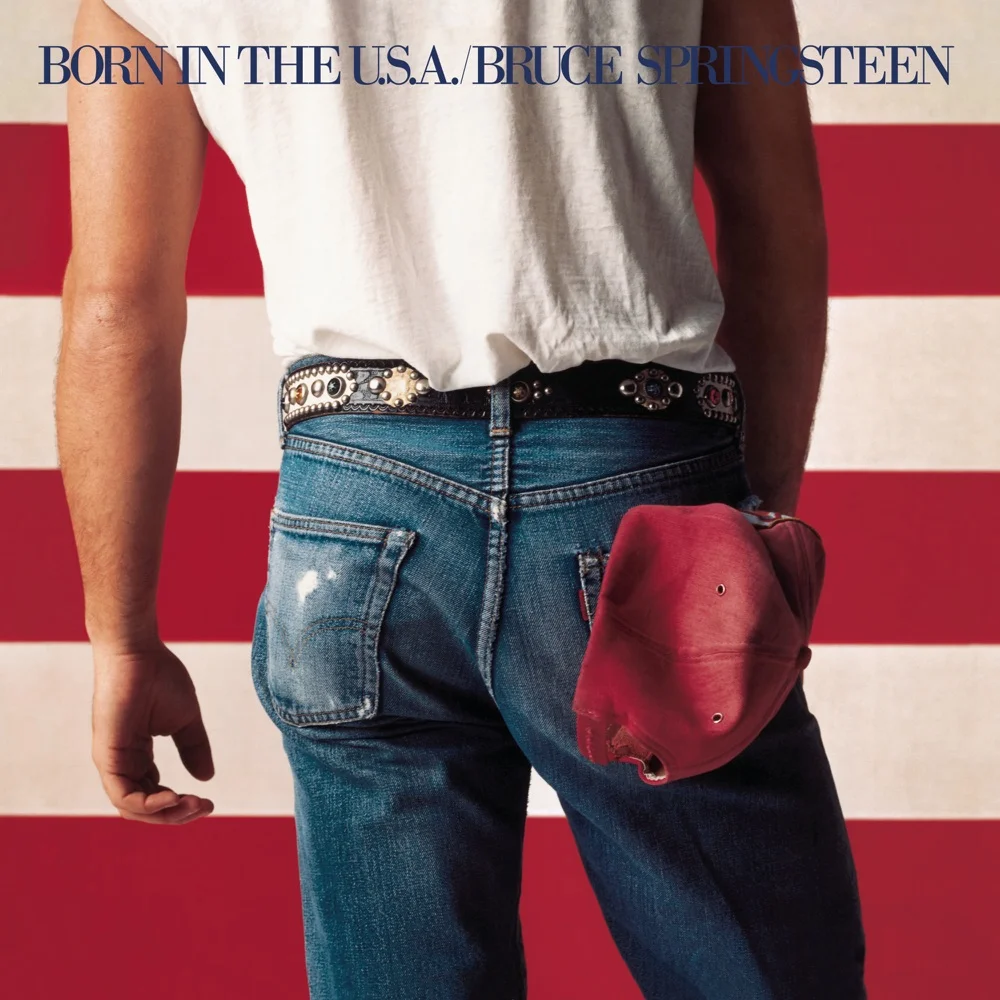
"I’m on Fire" is a masterclass in vocal restraint. Released on the massive 1984 album Born in the U.S.A., this song stands out because it doesn't try to be loud. It relies on a simmering tension created by a persistent snare rim-shot and Bruce's low, intimate delivery.
Unlike belting songs, the difficulty here lies in maintaining a consistent tone while whispering. If you get too quiet, you lose the pitch; if you push too hard, you ruin the mood. You need to channel "repressed desire" rather than outward aggression.
Phase 1: The Verses (Restraint)
The song stays in E Major with a limited range. The melody sits comfortably in the speech register for most Baritones. The key is the "attack" of the words. You want a soft onset. Don't hit the consonants hard.
The Trap: Avoid singing it like a folk song. This is rockabilly synth-pop. Keep it rhythmic and slightly percussive, mimicking the muted guitar picking pattern.
Phase 2: The "Rockabilly Hiccup"
Springsteen channels Roy Orbison and Elvis here. Listen closely to how he ends phrases like "is he good to you?" or "I'm on fire." There is a slight yodel or "hiccup" where the voice flips momentarily into the head register before cutting off.
The AI Coach analyzes your pitch curves for this specific stylistic choice. It adds the necessary emotional desperation to the performance.
Phase 3: The Climax (The "Woo-Hoo")
The bridge ("Sometimes it's like someone took a knife...") adds intensity, but the volume barely rises. The real release comes in the "Woo-hoo-hoo" sections.
Keep your larynx neutral. If you raise your larynx to hit these notes, it will sound whiny. Keep the sound deep in your chest, resonating in the pharynx, to maintain that "dark" tonal quality associated with The Boss.