 Singing Coach AI
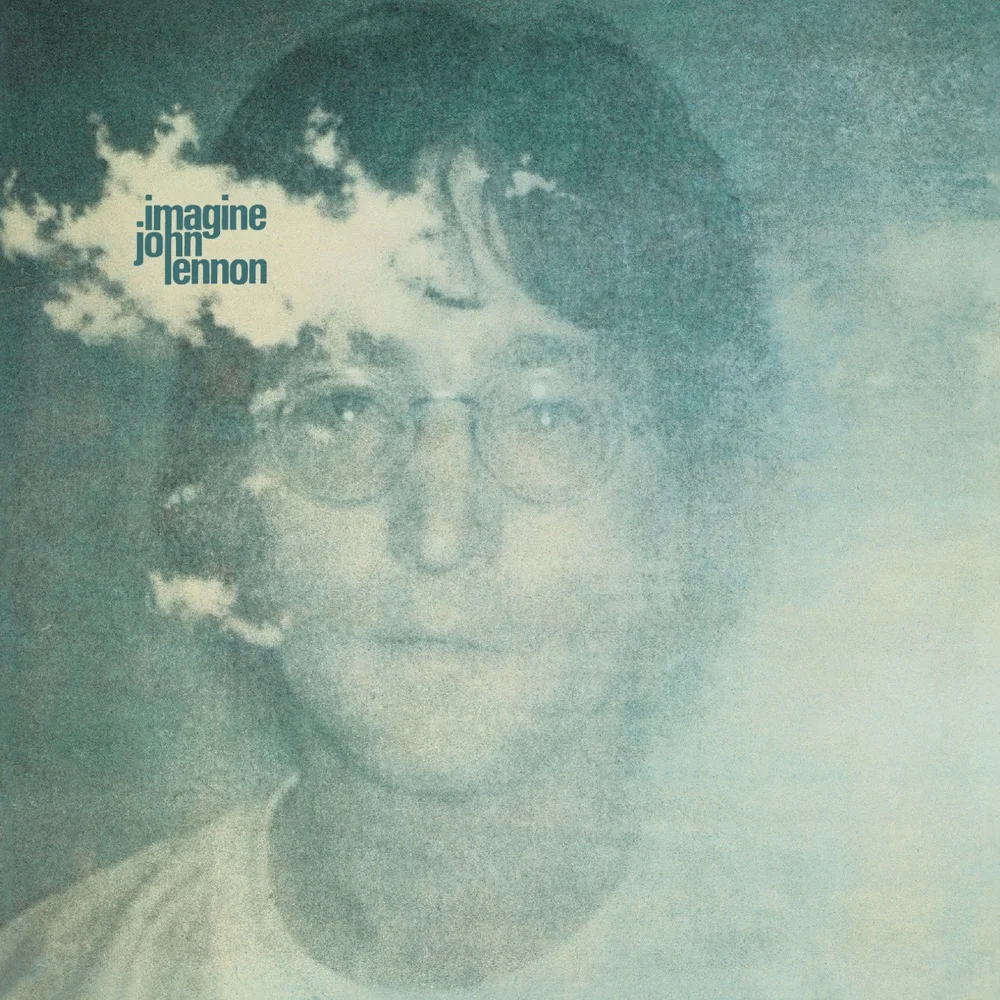
The Art of Simplicity
"Imagine" is the best-selling single of John Lennon's solo career, and for vocalists, it represents a challenge of restraint. Unlike power ballads that rely on high notes and grit, this song requires a "conversational" tone. It sits comfortably in C Major, making it accessible to most voice types, but the transparency of the vocal mix means every pitch deviation is audible.
To sing this well, you need to channel a relaxed, almost spoken-word approach in the verses, while maintaining enough breath support to carry the legato lines in the bridge. Let's break down exactly how to tackle it, section by section.
Phase 1: The Verses (Range: G3 - E4)
The verses ("Imagine there's no heaven...") are sung in a narrow range. The melody hovers around G3 and C4. The goal here is stability. You want a chest-dominant sound, but it shouldn't feel heavy.
The Trap: Because the melody is simple, singers often add too much vibrato or "scoop" into notes. Lennon sang this very straight. Keep your pitch laser-focused and avoid unnecessary embellishments.
Phase 2: The Bridge (The "Lift")
The song lifts on the lyrics "You may say I'm a dreamer." This moves the melody up to F4 and G4. This is where you need to increase your energy without shouting.
- "You may say": requires a slight lift of the soft palate to allow the sound to resonate in the "mask" of the face.
- "I'm not the only one": Keep the phrasing connected (legato). Don't chop the words up.
- Dynamics: Even though the notes are higher, try to keep the volume relatively consistent with the verses to maintain the song's peaceful atmosphere.
Phase 3: Breath Control
The tempo is slow (around 75 BPM). This means you have to sustain notes longer than you might expect. Proper diaphragmatic breathing is essential here so you don't run out of air at the end of lines like "living for today."
Focus on a steady stream of air, like blowing out a candle slowly, to keep the vocal tone even and unwavering.