 Singing Coach AI
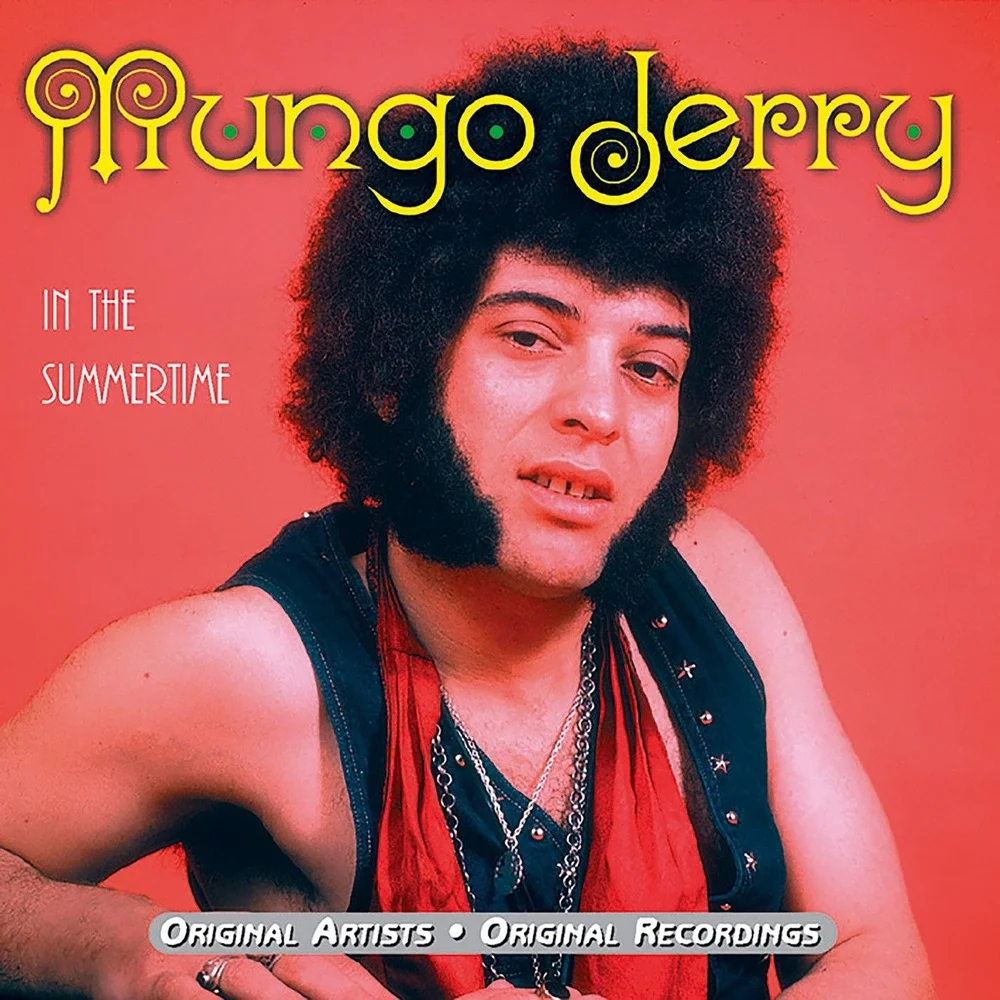
The Ultimate "Good Vibe" Anthem
"In the Summertime" is the definition of a skiffle pop hit. Released in 1970 by Mungo Jerry, it became one of the best-selling singles of all time. The track is deceptive; while the melody is catchy and simple, the vocal delivery requires a very specific rhythmic pocket to sound authentic.
Ray Dorset's performance is characterized by a relaxed, gravelly tone and the use of the voice as a percussion instrument. There are no drums on the original track—just foot stomping and vocal sounds. Let's break down how to capture that summer feeling.
Phase 1: The Melody (0:00 - 1:15)
The song sits in E Major. The melody is largely conversational and doesn't demand a massive range (sitting mostly between E3 and G#4). The key here is articulation.
The Trap: Because the song is so relaxed, singers often get lazy with their pitch. The intervals in the verses ("when the weather is high") need to be crisp, or the song will sound flat and tired rather than laid back.
Phase 2: Vocal Percussion (The "Ch-ch" sound)
One of the most famous parts of the song is the rhythmic breathing that mimics a motorcycle engine. This happens during the instrumental breaks.
- Technique: Close your teeth but keep your lips parted. Expel air rhythmically saying "Ch-ch-ch-uh."
- Timing: The AI Coach tracks the transient spikes of these sounds. Ensure you are locking in with the piano/foot stomp beat.
- Tone: Keep it unvoiced (whispered) but forceful enough to be heard.
Phase 3: The Growl & Ad-libs
Ray Dorset adds character with spontaneous growls and "yeah" ad-libs. To do this safely, use a technique called "vocal fry" or false-chord engagement at a low volume. Do not grind your vocal cords together loudly, as this causes hoarseness. Think of it as a low rumble in the back of your throat.
The high-pitched "Heee!" sounds in the background are done in falsetto. Keep them light and playful.