 Singing Coach AI
The Epic Opener
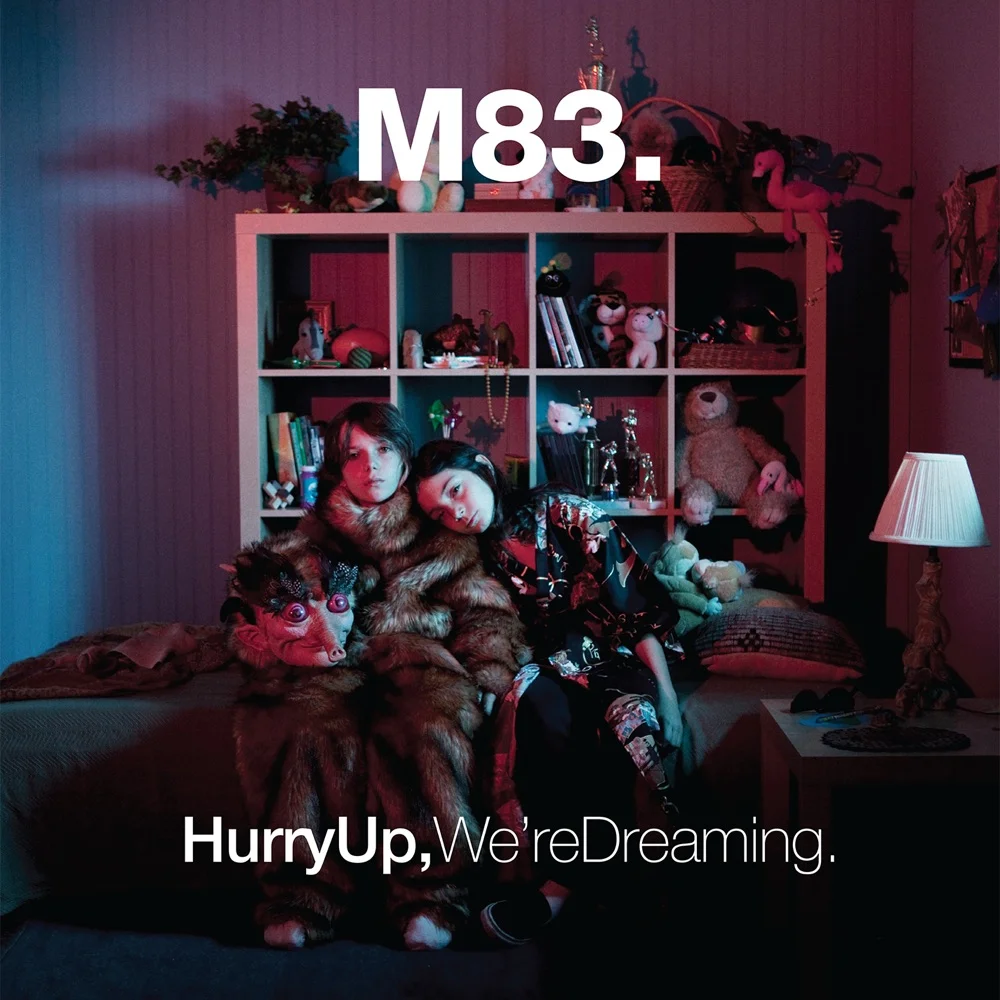
M83's "Intro" (from the album Hurry Up, We're Dreaming) is more than a song; it's a cinematic experience. It serves as a masterclass in dynamic vocal control. Unlike traditional pop songs that rely on verse-chorus structure, this track is a linear build-up, starting with an intimate spoken-word monologue and ending with a euphoric, wall-of-sound vocal explosion.
To perform this correctly, you must be an actor first and a singer second. The emotional delivery of the story determines whether the audience stays with you until the beat drops.
Phase 1: The Monologue (0:00 - 2:20)
The song opens with guest vocalist Zeldah delivering a monologue. The challenge here is diction and breathiness. You want to sound full of wonder, almost child-like, but clear enough to be understood over the swelling synths.
The Trap: Being too "theatrical" or hammy. Keep the delivery grounded and sincere. The AI Coach tracks the rhythm of your speech patterns here to ensure you aren't dragging behind the ambient pad.
Phase 2: The Crescendo (2:20 - 3:45)
As the drums enter and the energy builds, the vocals begin to layer. You are no longer speaking; you are shouting in key. This requires a strong chest mix. The key is to increase your volume gradually.
- Support: Engage your diaphragm heavily. If you shout from your throat, you will fatigue before the climax.
- Vowel Modification: On the higher shouts, modify your vowels to be more open (e.g., "Ah" or "Oh") to allow for maximum resonance.
Phase 3: The Climax (3:45 - End)
The iconic "Carry on, carry on" section. This is high-energy projection. Anthony Gonzalez uses a technique that borders on screaming, but it is pitch-perfect. To achieve this, visualize throwing your voice to the back of a stadium.
Aim for a bright, forward placement ("twang") to cut through the dense electronic instrumentation. Avoid a breathy tone here; you need solid cord closure to maintain the intensity.