 Singing Coach AI
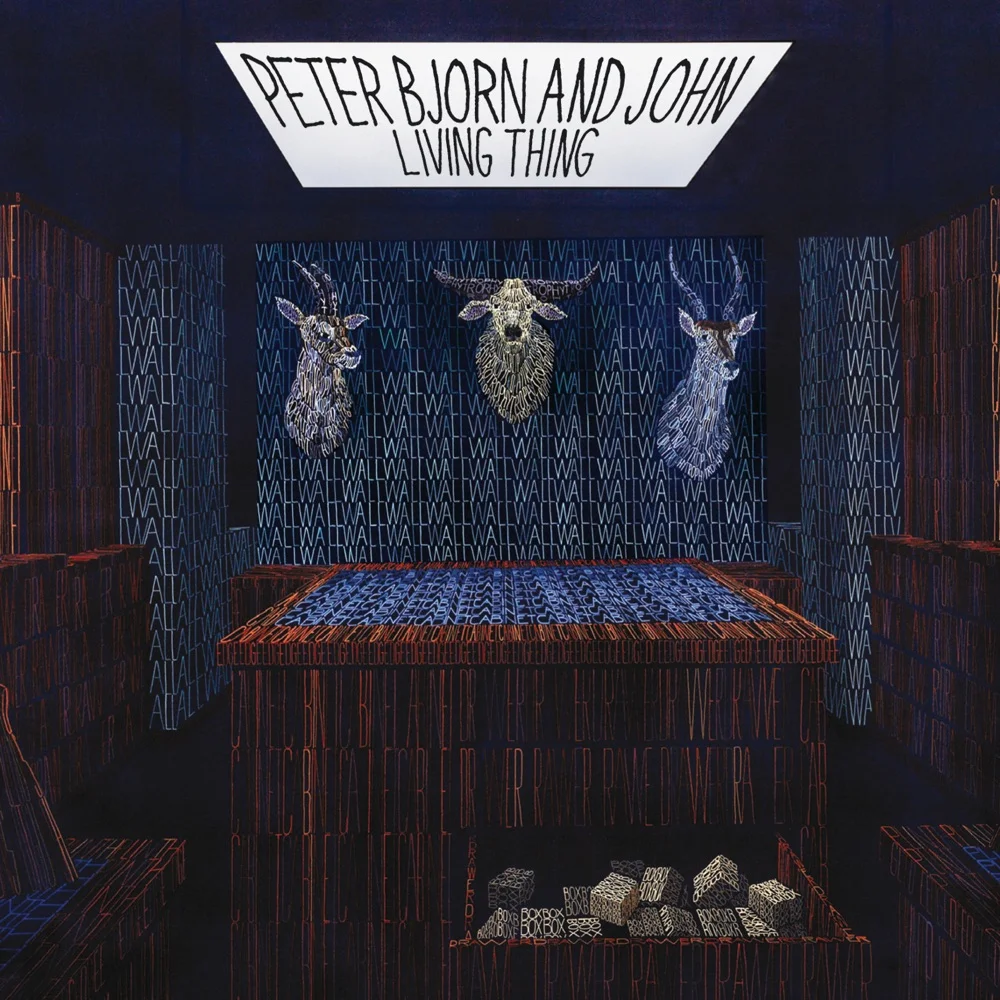
Mastering the Indie Pop Attitude
"It Don’t Move Me" from Peter Bjorn and John's album Living Thing is a masterclass in understated cool. Unlike power ballads that require massive breath support and belting, this track is about rhythmic precision, articulation, and tone. The vocal delivery is almost percussive, mimicking the driving beat of the backing track.
To sing this well, you need to strip away the vibrato and focus on a "dry," conversational delivery. It sounds easy, but maintaining pitch accuracy while singing in a spoken style is surprisingly difficult for trained singers used to legato phrasing.
Phase 1: The Verses (Percussive Delivery)
The verses sit in a comfortable mid-range for Tenors and Baritones. The key here is diction. You want to articulate the consonants crisply. Think of your voice as a rhythm instrument.
The Trap: Don't try to make it too "pretty." If you add too much sustain or vibrato to the ends of lines, you lose the indie-pop aesthetic. Keep the notes short and punchy.
Phase 2: The Hook
The repetition of "It don't move me" requires a consistent tone. Even though the lyrics suggest indifference, the vocal performance needs energy. You should feel a slight engagement in your diaphragm to keep the pitch steady without sliding.
- Tone: Aim for a "flat" or deadpan affect, but keep the pitch precise.
- Breathing: The phrases come fast. Practice quick "sip" breaths through your mouth to stay fueled without disrupting the groove.
- Volume: Keep it at a consistent mezzo-forte. No need to scream, but don't whisper either.
Phase 3: The Piano Break & Bridge
As the instrumentation builds, you might feel the urge to push louder. Resist it. The power of this song comes from the relentless groove, not vocal volume. Maintain that cool, detached persona right to the end.
Focus on the interplay between your vocal line and the piano riff. You are locking in with the instrument, not singing over it.