 Singing Coach AI
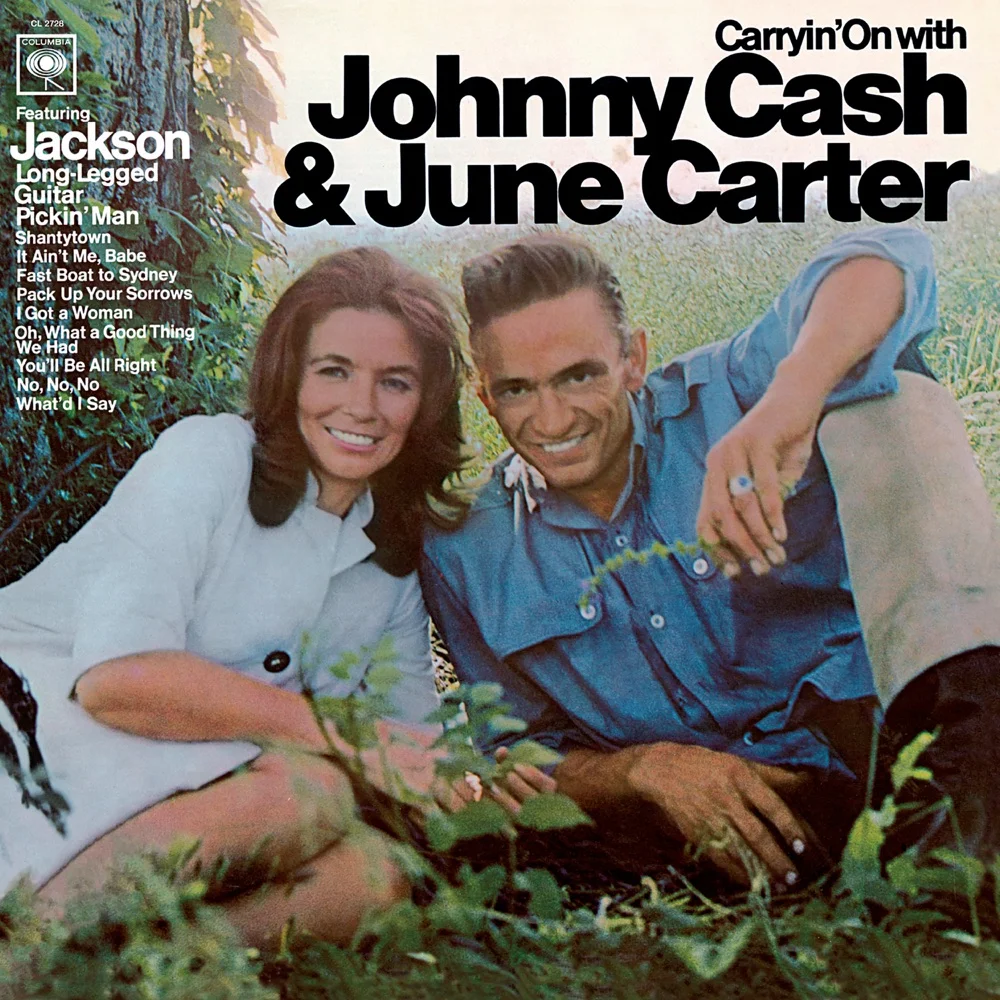
The Art of the Country Duet
Released in 1967, "Jackson" is more than just a song; it's a conversation set to music. The track earned Johnny Cash and June Carter a Grammy Award and cemented their status as country music's royal couple. The song is driven by a driving acoustic rhythm and the playful, often combative chemistry between the two singers.
Singing "Jackson" requires a shift in mindset. You aren't just hitting notes; you are acting. Johnny's part is stoic, low, and dismissive, while June's part is fiery, high-energy, and teasing. Let's break down how to capture this dynamic.
Phase 1: Johnny's Bass-Baritone (The Instigator)
Johnny enters with "We got married in a fever." This sits comfortably in the speech range for most low voices, but the key is the resonance. You need a relaxed, open throat to access that signature "rumble."
- The Low F2: Johnny occasionally dips very low. If you are a Tenor, you might lose volume here. Focus on "vocal fry" or chest resonance rather than pushing air.
- The Rhythm: Stick strictly to the beat. Johnny is the anchor. Do not swing the notes too much; keep it straight and driving.
Phase 2: June's Sassy Retort (The Fire)
June responds with "Go on to Jackson..." Her vocal placement is completely different. She uses a "twangy" forward placement, often utilizing nasal resonance to cut through the mix.
The Slide: June often slides (portamento) into her notes rather than hitting them dead-on immediately. This adds to the "sassy" character. Don't be afraid to sound a little unpolished here; it adds authenticity.
Phase 3: The Combined Energy
The magic happens when the voices overlap. The outro involves rapid-fire exchanges ("I'm gonna snowballed" / "See if I care"). The difficulty here is breath control and not tripping over the lyrics.
You must maintain the intensity all the way to the fade-out. The song doesn't resolve cleanly; it rides the groove into the distance, so keep your energy up until the very last second.