 Singing Coach AI
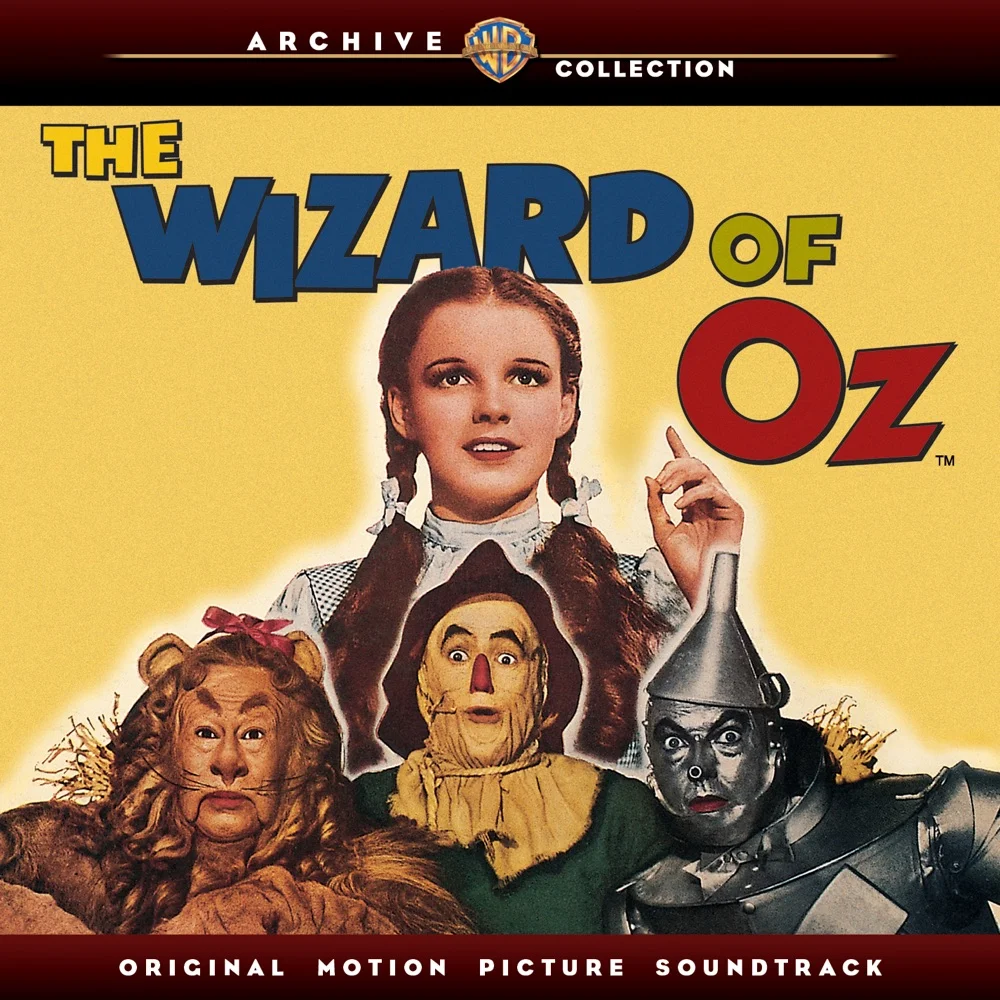
The Lost Gem of The Wizard of Oz
"The Jitterbug" is one of the most famous "deleted scenes" in movie history. Originally filmed for the 1939 classic, it was cut for time, but audio recordings of Judy Garland remain. It is a high-energy, swing-style number that demands personality, comedic timing, and rhythmic precision.
Unlike the smooth ballad style of "Over the Rainbow," Jitterbug requires a forward, bright placement and the ability to articulate lyrics rapidly. It captures the big band craze of the late 1930s. Here is how to tackle the vocal acrobatics required to sing it like Judy.
Phase 1: The Patter Verse (0:00 - 0:45)
The song opens with an urgent question: "Did you just hear what I just heard?" This section is conversational. It shouldn't sound too "sung." Use a speech-level singing technique.
The Trap: Because the lyrics are fast, singers often mumble. Exaggerate your lip movement and keep the consonants crisp (T's, D's, and P's) to cut through the brass instrumentation.
Phase 2: The Chorus (0:45 - 2:00)
This is where the melody jumps. When singing "The Jitterbug!", you need a bright, forward mask resonance. Judy Garland was a master of the "mixed belt"—not pulling chest voice up too high, but keeping it grounded enough to sound powerful.
- Rhythmic Precision: The melody dances around the beat. Practice clapping the backbeat (beats 2 and 4) while singing to lock in the swing feel.
- Breath Management: The phrases are long and active. Plan your breaths during the instrument stabs.
Phase 3: The Theatrical Climax
As the "bug" bites, the song descends into chaotic fun. The vocals here require stamina. You will need to maintain high energy even as you are likely physically moving or acting out the fear of the Jitterbug.
Aim for a lighter head-voice mix on the higher notes (up to E5) to avoid fatigue, but keep the tone "twangy" to match the character of the Cowardly Lion, Scarecrow, and Tin Man.