 Singing Coach AI
The Perfect Musical Dialogue
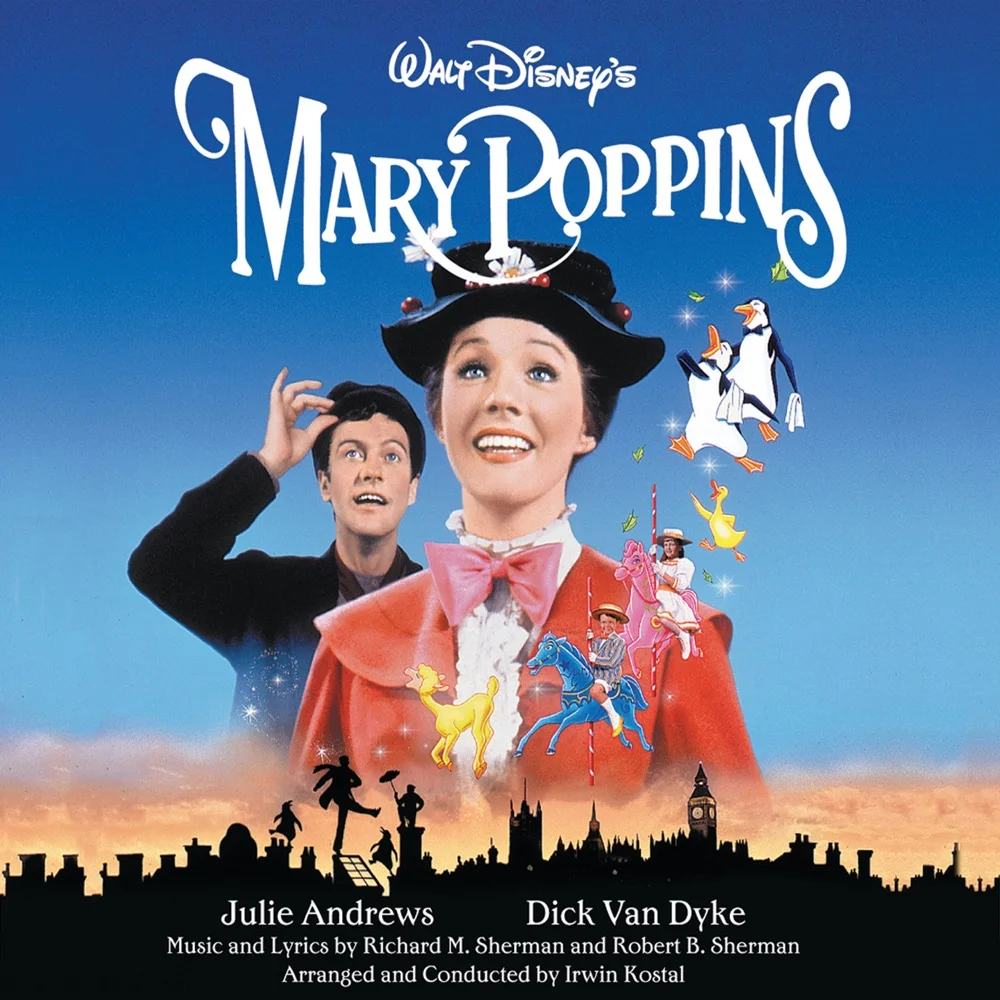
Jolly Holiday is more than just a song; it is a conversation set to music. Featured in the 1964 classic Mary Poppins, this track showcases the stark contrast between Julie Andrews' refined, classical soprano technique and Dick Van Dyke's energetic, character-driven baritone. It captures the essence of "Old Music Hall" style.
To sing this well, you need agility. The melody bounces quickly between notes, requiring a light mechanism and forward placement. Whether you are singing Mary's part or Bert's, the key is maintaining energy and storytelling throughout.
Phase 1: Mary's Verse (0:00 - 1:40)
The song begins in F major. Mary's lines like "Ain't it a glorious day?" sit in a comfortable middle range but require immaculate diction. This is known as "Received Pronunciation."
The Trap: It is easy to get lazy with consonants. Ensure your T's and D's are crisp, almost exaggerated. The vowels should be tall and round, specifically on words like "heart" and "start."
Phase 2: Bert's Verse (1:40 - 2:30)
Here the style shifts. Bert's section is looser and more rhythmic. It sits lower in the chest voice. The focus here is less on "perfect" resonance and more on the "Cockney" character charm.
- Rhythm: Bert often sings slightly behind the beat to create a relaxed, casual feel.
- Glottal Stops: Unlike Mary's part, Bert drops T's (e.g., "gentleman" becomes "gen'leman"). The AI Coach adjusts its scoring criteria here to accept this stylistic choice.
Phase 3: The Harmony (2:30 - End)
As the two voices come together, balance is key. Mary stays in her upper register (head voice dominant) while Bert provides a solid foundation. The harmony is simple but effective thirds and fifths.
Practice listening to the interaction between the voices. You want your voice to blend, not overpower. If singing solo, choose one character track in the Singing Coach AI app to duet with.