 Singing Coach AI
Mastering the Swagger of 80s Rock
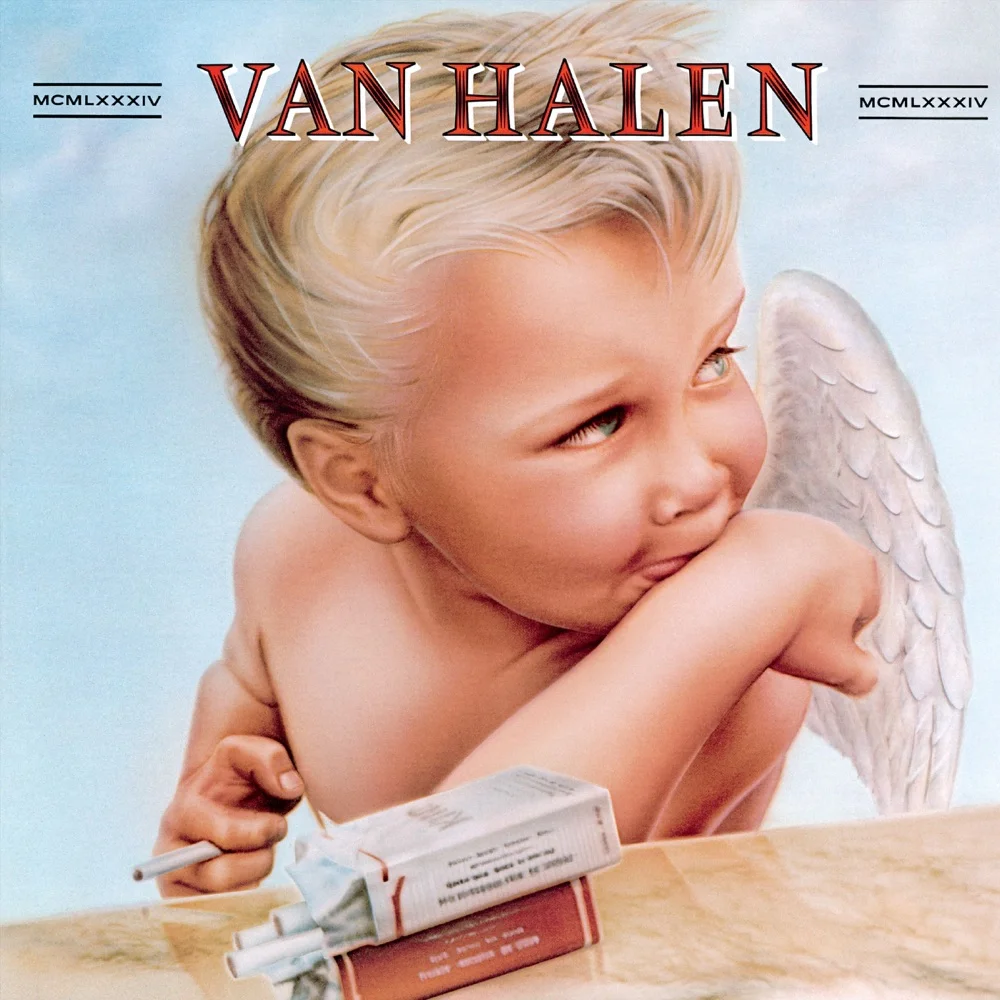
Released in 1984, "Jump" marked a massive shift for Van Halen, moving from pure guitar rock to synth-driven anthems. For a vocalist, this song is less about melodic complexity and more about attitude, timing, and dynamic control. David Lee Roth’s performance is iconic not because it is perfectly polished, but because it is bursting with character.
To sing "Jump" effectively, you need to balance a conversational, "spoken-sung" style in the verses with a powerful, forward-placed belt in the choruses. Let's break down the techniques required to own this track.
Phase 1: The Verses (0:00 - 1:04)
The song starts with that legendary synth riff in C Major. When the vocals enter ("I get up, and nothin' gets me down"), the key is to stay relaxed. Roth often slides into notes rather than hitting them squarely on the grid instantly.
The Trap: Don't try to sing this too "prettily." It needs a bit of grit. Keep your larynx neutral and imagine you are talking loudly to a friend across a room rather than singing an opera aria.
Phase 2: The Pre-Chorus Build (1:04 - 1:20)
The line "Can't you see me standing here" builds tension. You need to start mixing more chest resonance into your voice. The pitch rises slightly, and the volume should increase to match the swelling instrumentation.
- Back against the record machine: Enunciate the consonants clearly to keep the rhythm driving forward.
- I know what you mean: This phrase requires a "cry" in the voice—a slight vocal fry or whimper that transitions into a full tone.
Phase 3: The Chorus (1:20 - 1:45)
This is the payoff. "Go ahead and Jump!" hits a G4 and hovers around the C4-E4 range. It requires a confident chest belt. The word "Jump" should be short, punchy, and explosive. Do not sustain it too long, or you will lose the rhythmic bounce of the song.
For the ad-libs and screams later in the song, you must use "twang" and proper vocal compression. If you feel a tickle in your throat, stop immediately and rest.