 Singing Coach AI
The Ultimate Blues Boogie
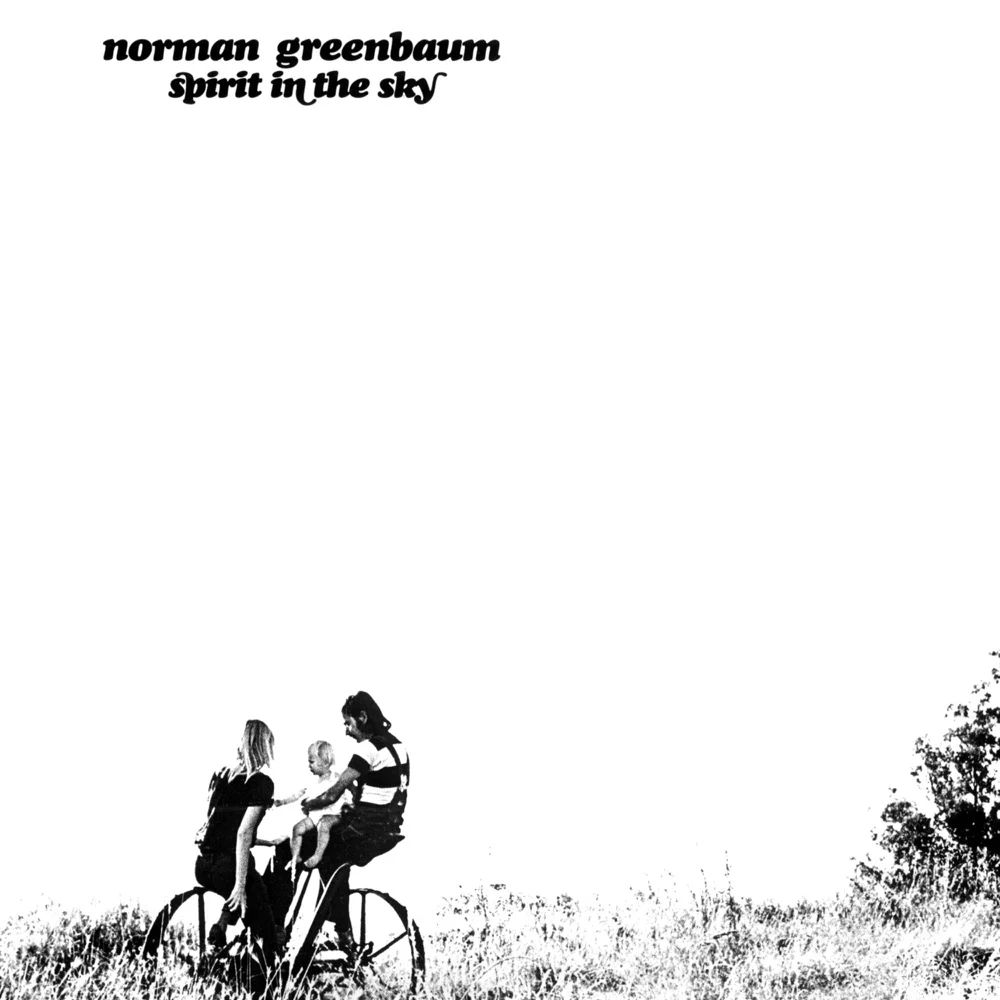
Junior Cadillac is a standout track from Norman Greenbaum's iconic album Spirit in the Sky. While his massive hit title track gets the most attention, Junior Cadillac offers a gritty, low-down boogie that is a masterclass in rock attitude. Unlike a pop ballad, this song isn't about perfect pitch purity; it's about "pocket" and character.
To sing this well, you need to channel your inner bluesman. The vocal delivery is punchy, rhythmic, and sits comfortably in the chest voice. The challenge lies in maintaining the energy of the groove without rushing the tempo. Let's break down exactly how to tackle it.
Phase 1: The Verse Groove
The verses are driven by a walking bass line. Your vocals need to sit right on top of that rhythm. The melody is relatively static, hovering around the root and third of the chord. This means your phrasing is everything.
The Trap: Many singers drag behind the beat. Keep your consonants sharp and your vowels short and punchy to match the snare drum.
Phase 2: The Grit & Texture
Norman Greenbaum has a distinct, nasal, slightly distorted vocal quality. To achieve this safely, use "twang." Narrow the space above your larynx (the epiglottic funnel) to create a brighter, cutting sound without pushing too much air pressure.
- Resonance: Aim for a forward "mask" placement. Feel the vibration in your nose and cheekbones.
- Attitude: The lyrics are playful and cool. Smile slightly while singing to brighten the tone naturally.
Phase 3: The Chorus Lift
When the refrain hits—"Junior, Junior Cadillac!"—the energy needs to lift. This doesn't necessarily mean getting much louder, but rather more intense. Use your diaphragm to support the air and lean into the first word of the phrase.
There are no extreme high notes here, but the repetition can be tiring. Ensure you are breathing deeply between phrases to keep the "engine" running smoothly.