 Singing Coach AI
The Essence of Dream Pop Vocals
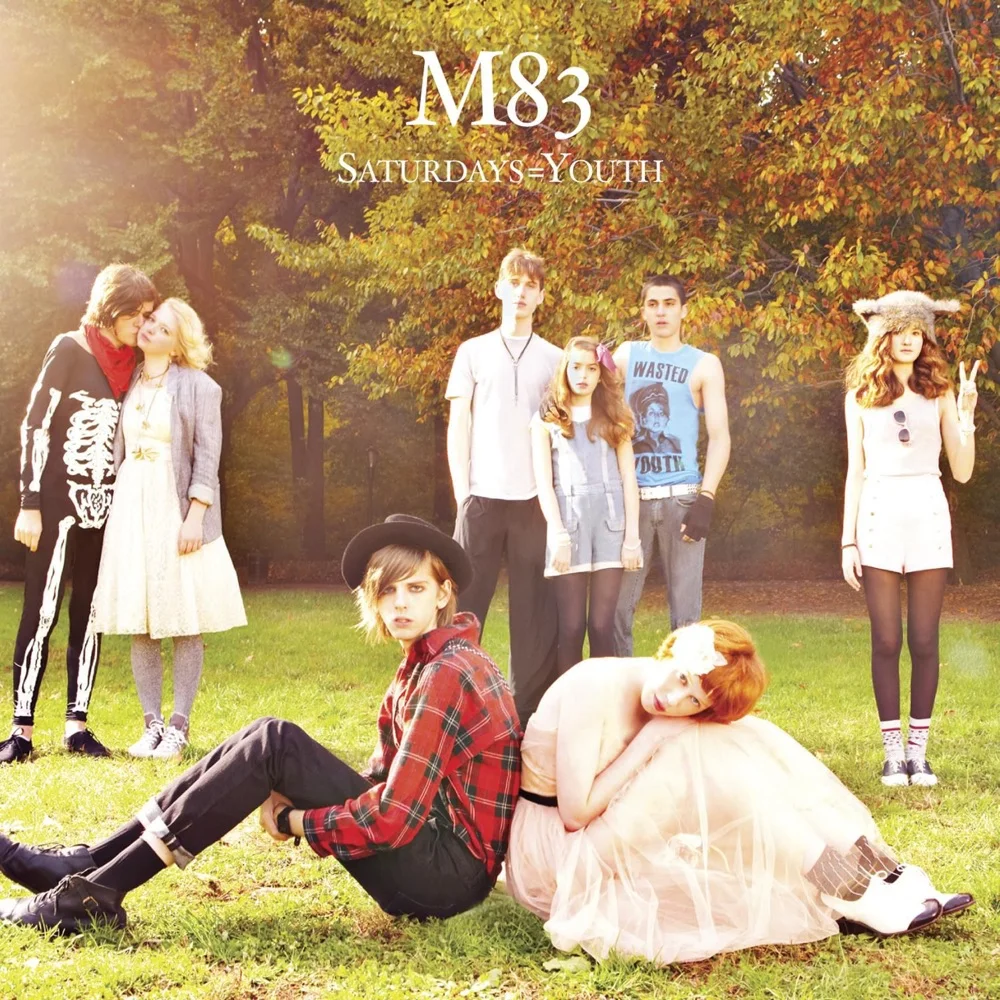
"Kim & Jessie" is a standout track from M83's 2008 album Saturdays = Youth. It perfectly encapsulates the feeling of teenage nostalgia through its lush production and Anthony Gonzalez's specific vocal delivery. Unlike power ballads, this song demands restraint, texture, and atmosphere.
The challenge lies not in hitting extremely high notes with force, but in maintaining a consistent, breathy timbre without allowing the pitch to sag. It requires a delicate mix of chest resonance and airy head voice.
Phase 1: The Verses (Cheekbones and Phantoms)
The verses are sung in a rhythmic, almost monotone chant. The melody hovers around G3 and A3. The difficulty here is rhythmic precision.
The Trap: It's easy to sound bored rather than cool. Ensure you are articulating the consonants clearly, especially on words like "cheekbones," "phantoms," and "uniforms," to cut through the synth pads.
Phase 2: The Pre-Chorus Lift
As the song builds, the melody lifts slightly. You need to lighten the weight of your voice here. If you carry too much "chest voice" weight, the transition to the chorus will sound clunky and forced.
- Tone Color: Think of a "yawning" sensation to raise the soft palate while keeping the sound forward in the mask.
- Dynamics: Keep the volume consistent; let the synthesizers provide the swelling effect while you hold the center.
Phase 3: The Chorus (Kim and Jessie)
The hook relies on a smooth transition into head voice or falsetto, reaching up towards C5. The phrase "Kim and Jessie" should float above the mix.
To achieve the M83 sound, minimize your vibrato. A straight tone fits the 80s new wave aesthetic much better than a wide, operatic vibrato. Imagine you are an instrument blending perfectly with the electronic backing track.