 Singing Coach AI
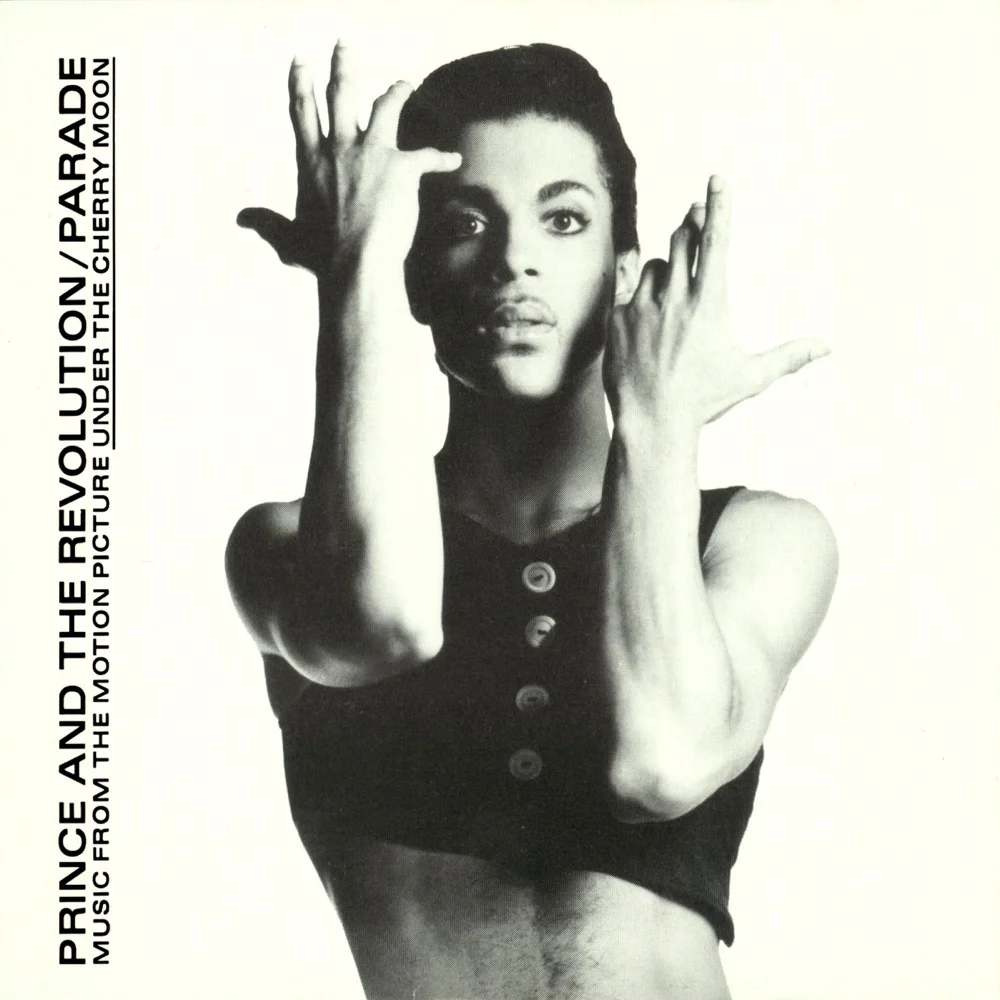
A Masterclass in Minimalist Funk
"Kiss" is a deceptive challenge. On the surface, the instrumentation is stripped bare—just a drum machine, acoustic guitar, and vocals. But this minimalism leaves your voice completely exposed. Released in 1986 on the album Parade, Prince delivers the entire song in a piercing falsetto that requires incredible breath support and stamina.
To sing this well, you can't rely on power belting. You need laser-focused resonance, impeccable rhythmic timing, and a whole lot of attitude. It's not just about hitting the high notes; it's about the "smirk" in your voice.
Phase 1: The Verses (Staccato Delivery)
The verses ("You don't have to be beautiful...") are sung in a punchy, staccato style. The notes are short and clipped. If you sing them too legato (smoothly connected), you lose the groove.
The Trap: Singers often run out of breath because they don't reset their diaphragm between the short phrases. Take quick "sips" of air during the rests to maintain the energy.
Phase 2: The Screams & Range
Throughout the song, Prince injects high-pitched screams and vocal runs that reach up to C6. These are technically in the "whistle" or reinforced head voice register.
- The "Kiss" line: The hook needs to be explosive. Articulate the 'K' strongly.
- Ad-libs: The "Whoa-oh-mo-wah" sounds require a loose jaw. Don't overthink the pitch; focus on the slide and the character of the sound.
- The Growl: Occasionally, Prince drops into a chesty growl ("YEAH!"). Switch gears instantly to add dynamic contrast.
Phase 3: The Attitude
Technique is only 50% of this song. The other 50% is swagger. Prince sings slightly behind the beat in some areas to create a laid-back feel, while attacking consonants aggressively in others. Recording yourself and listening back is crucial to capturing this vibe.