 Singing Coach AI
The Essence of Skiffle Rock
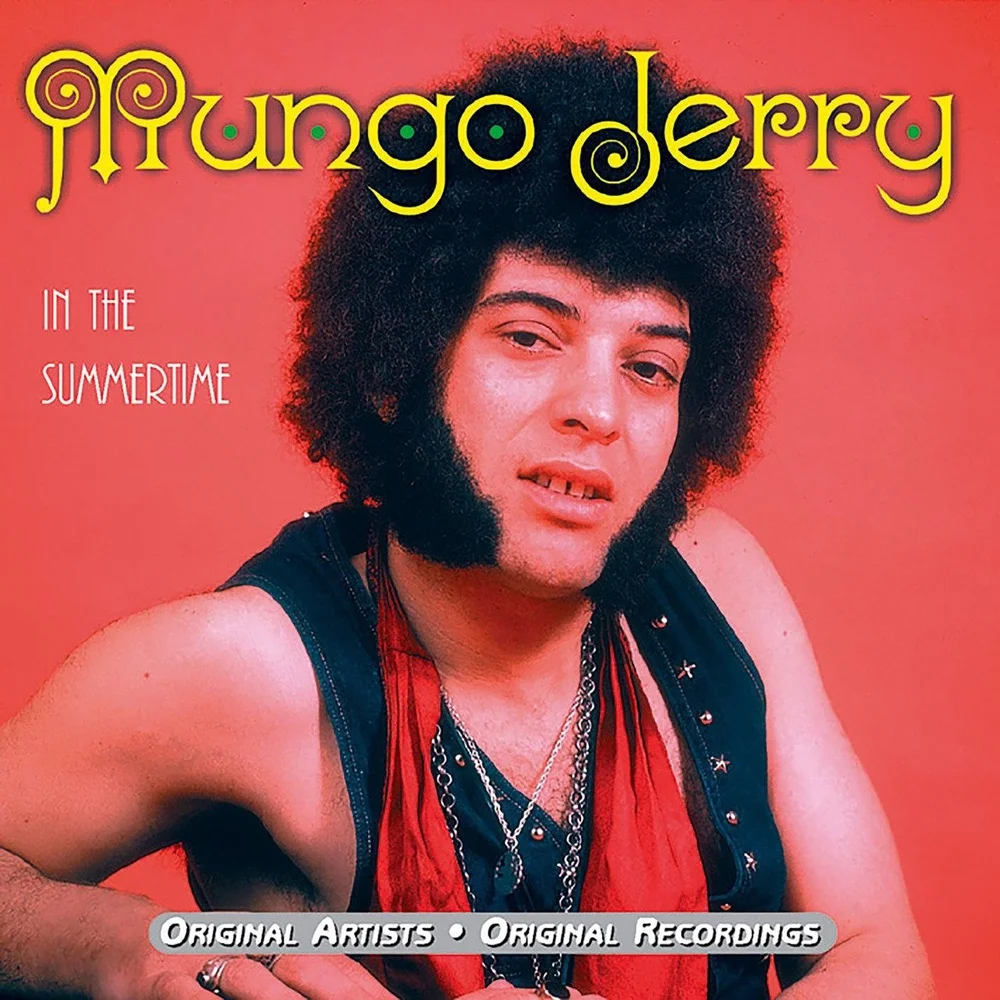
Released in 1971, Lady Rose is a quintessential Mungo Jerry track that follows the success of "In the Summertime." While it may seem deceptively simple, the song requires a specific attitude and rhythmic precision. Ray Dorset’s vocal performance is less about perfect technical purity and more about energy, grit, and the "bounce" of the beat.
To sing this well, you need to lock into the groove. The song drives forward with a relentless acoustic strum, and your vocals act as a percussive instrument alongside the piano and guitar.
Phase 1: The Verses (Storytelling)
The verses sit in a comfortable mid-range for most male voices (C3-G3). The challenge here is the speed of the delivery. The lyrics "In the dark of the night, I can hear you calling" come fast.
The Trap: Running out of breath. Because the tempo is upbeat, there is little room to pause. Practice taking quick, low "sip" breaths between phrases to maintain the energy without gasping.
Phase 2: The Chorus (Energy)
When the titular line "Lady Rose" hits, the energy must lift. This is sung higher in the chest voice, often reaching up to an A4 in the ad-libs. You want a bright, forward tone here.
- Projection: Don't shout. Use your diaphragm to support the note, projecting the sound toward your "mask" (the front of your face).
- Vowel Shapes: Keep the "Rose" vowel open. If you close your mouth too much, the sound will get swallowed by the backing track.
Phase 3: The Ray Dorset "Growl"
Mungo Jerry’s signature sound involves a raspy, carefree delivery. To achieve this safely, do not squeeze your throat. Instead, think of a "fry" register or a relaxed sigh mixed with your speaking voice. This adds texture without causing vocal fatigue.
The repetitive nature of the outro allows you to improvise. This is where you can let loose, add distinct vocal inflections, and interact with the rhythm.