 Singing Coach AI
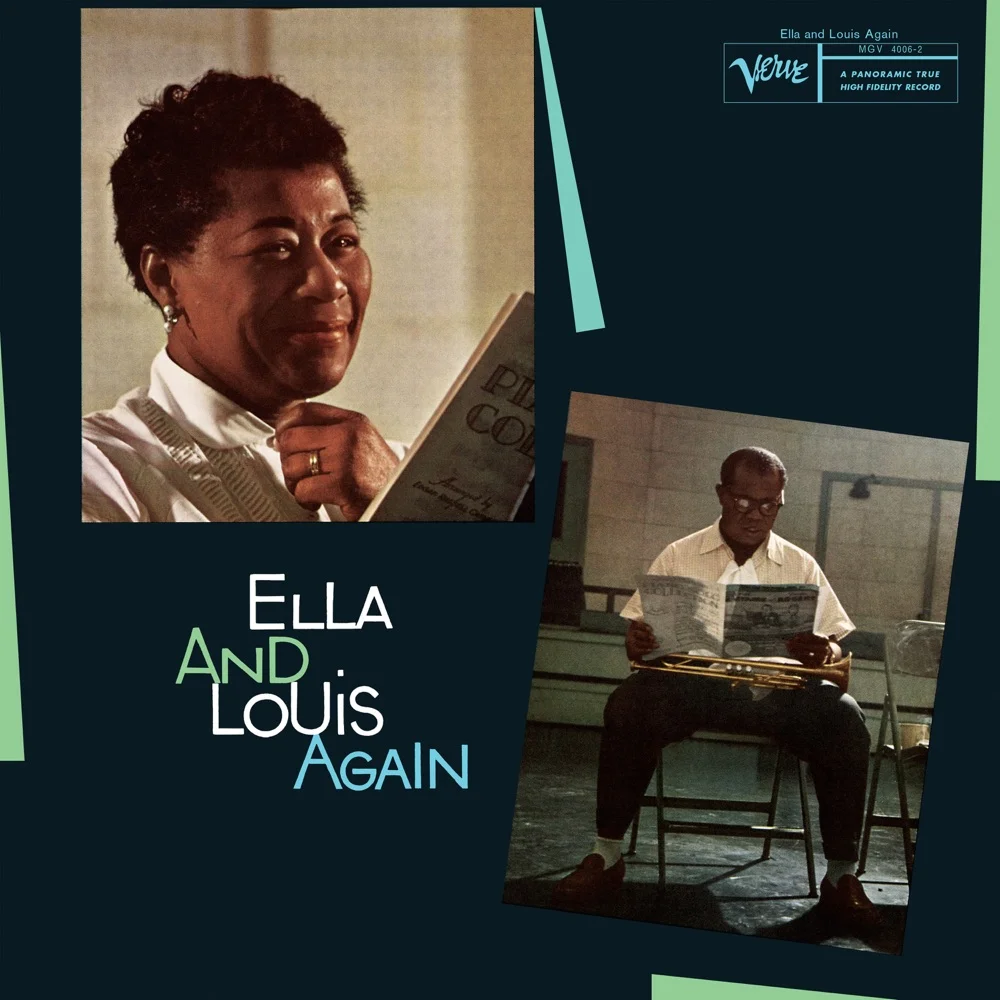
A Masterclass in Duet Chemistry
Learnin' the Blues, specifically the version recorded by Ella Fitzgerald and Louis Armstrong, is a perfect study in contrast. Unlike modern pop duets that often rely on power belting, this track is all about the "pocket"—that relaxed, swinging space between the beats.
To sing this well, you need to understand two distinct vocal approaches: the bell-like clarity of Ella and the textured, conversational warmth of Louis. Whether you are singing solo or with a partner, the goal is to tell a story through tone color.
Phase 1: The Conversational Entry
The song opens with a relaxed vibe. The challenge here isn't range—it sits comfortably in the middle register—but phrasing. You want to sing as if you are speaking to an old friend.
The Trap: Singers often over-enunciate. In this style, allow your vowels to be slightly rounder and your consonants to be soft. Connect the words (legato) rather than chopping them up.
Phase 2: The Harmony Blend
When the voices come together, the magic happens. Ella typically takes the higher harmony (often a third or sixth above), while Louis anchors the bottom.
- Blending: If you are singing the lower part, add some "air" or texture to mimic the rasp without hurting your throat.
- Precision: Despite the loose feel, the pitch centers must be exact. The AI Coach tracks how well you hold your harmony line against the opposing melody.
- Dynamics: Keep the volume at a steady mezzo-piano (medium soft). This is intimate jazz, not a stadium anthem.
Phase 3: The Swing & Rhythm
The rhythm section drives the track with a classic swing beat. You need to feel the triplet sub-division (1-2-3, 1-2-3). Avoid "straight" eighth notes, or you will sound mechanical.
Listen closely to how Louis Armstrong phrases his lines—he often starts a phrase just a split second later than you expect. This creates tension and release that is essential to the blues.