 Singing Coach AI
The Ultimate Modern Soul Challenge
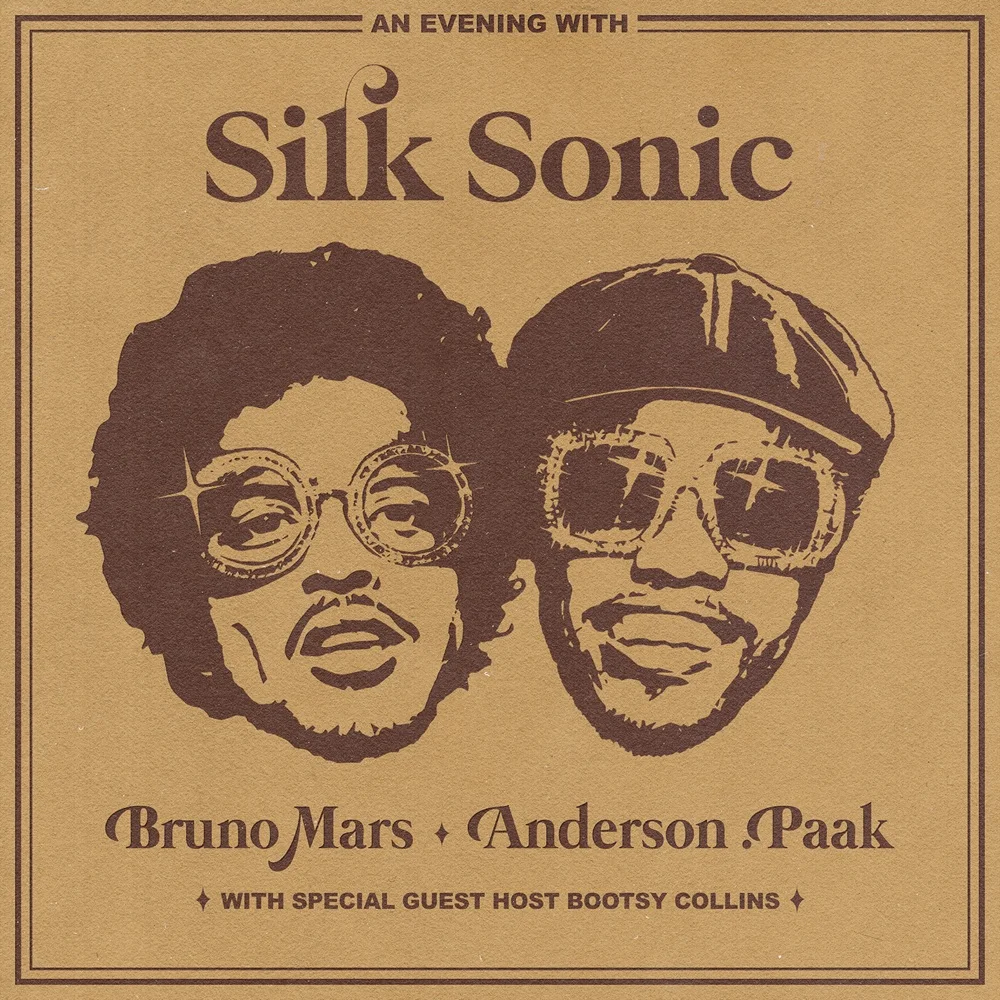
Leave the Door Open isn't just a hit song; it's a meticulously crafted homage to 70s Philadelphia Soul. Silk Sonic (Bruno Mars and Anderson .Paak) combines intricate harmonies with laid-back grooves, making this a fantastic challenge for vocalists working on their dynamics and falsetto control.
To sing this well, you need to master two distinct characters: the gritty, conversational delivery of the verses, and the soaring, smooth texture of the choruses. Let's break down exactly how to tackle it, section by section.
Phase 1: The Verse (Anderson's Flow)
The song starts with a distinct groove. Anderson .Paak sits slightly "behind the beat," giving it that lazy, confident swagger. The notes sit in a comfortable mid-range (F3-C4), so the focus shouldn't be on power, but on rhythm and diction.
The Trap: Don't sing this too perfectly on the grid. It needs to feel spoken and raspy. Think of it as melodic talking.
Phase 2: The Pre-Chorus (The Climb)
As you approach the line "I leave the door open," you must switch gears. The instrumentation swells, and you need to lighten your vocal mass. You are moving from chest voice into a mixed voice.
- The Transition: This is the bridge between the grit of the verse and the smoothness of the chorus. Keep the volume controlled.
- Breath Support: You need a full tank of air here because the phrasing is long and legato (connected).
Phase 3: The Chorus (Bruno's Highs)
This is the signature Silk Sonic sound. The melody jumps up to the D5 range in falsetto. The key here is "spin"—you want a focused sound, not a breathy whisper.
When singing "I'm hoping you'll feel the same," do not push chest voice. Flip into your head voice/falsetto early. If you try to belt this in full chest voice, it will sound too aggressive for the genre and you risk straining your cords. It needs to sound effortless and romantic.