 Singing Coach AI
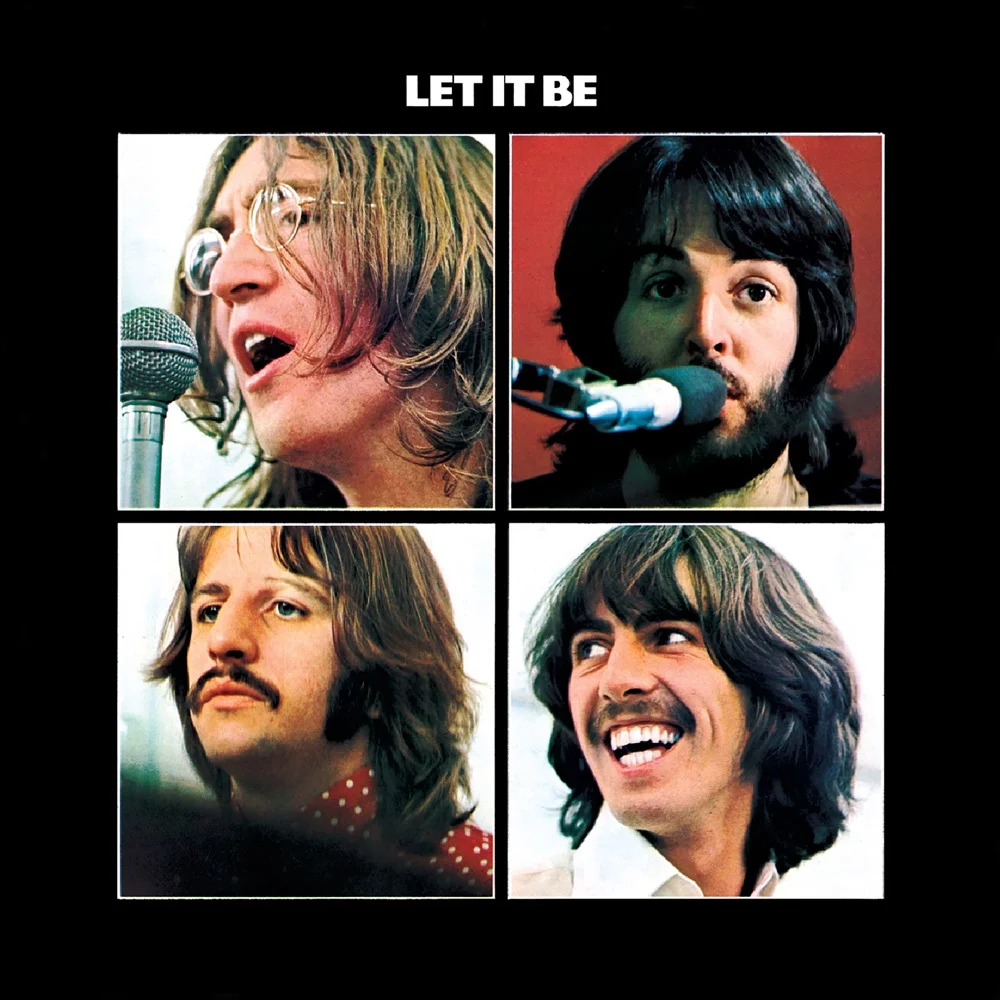
The Ultimate Gospel-Rock Ballad
Released in 1970 as the title track of The Beatles' final album, Let It Be is one of Paul McCartney's most enduring vocal performances. Unlike the operatic complexity of Queen, this song relies on pure, raw emotion and stability. It starts as a gentle piano ballad and builds into a rousing, gospel-inspired anthem.
To sing this well, you need to master the art of "build-up." You cannot give 100% volume in the first verse. You must draw the listener in with intimacy before hitting them with power in the final chorus and coda. Let's break down the vocal journey.
Phase 1: The Verses (0:00 - 1:19)
The song begins in C major. The opening lines ("When I find myself in times of trouble") sit comfortably in the middle range for Tenors and high range for Baritones (G3-E4). The key here is a breathy, conversational tone.
The Trap: Do not over-enunciate. The Beatles were masters of a relaxed delivery. Keep your jaw loose and your volume at a mezzo-piano level to draw the listener closer.
Phase 2: The Gospel Chorus (1:19 - 2:30)
As the drums and organ kick in, the energy lifts. You need to brighten your tone. The repetition of "Let it be" requires consistent breath support. If you run out of air here, the pitch will go flat.
Imagine you are singing to the back of a church. Open your soft palate (the feeling of a suppressed yawn) to create a resonant, fuller sound that matches the backing harmonies.
Phase 3: The High Belt & Outro (2:30 - End)
Following the guitar solo, McCartney returns with significantly more power. The line "I wake up to the sound of music" pushes the melody higher. The climax hits a sustained A4 on the word "music" and later during the ad-libs ("Yeah, let it be!").
To hit this A4 safely, use a "mixed voice." Engage your abdominal muscles heavily but keep the neck relaxed. Think of placing the sound forward in your mask (nose/cheekbones) rather than shouting from the throat. This gives you the rock grit without the vocal damage.