 Singing Coach AI
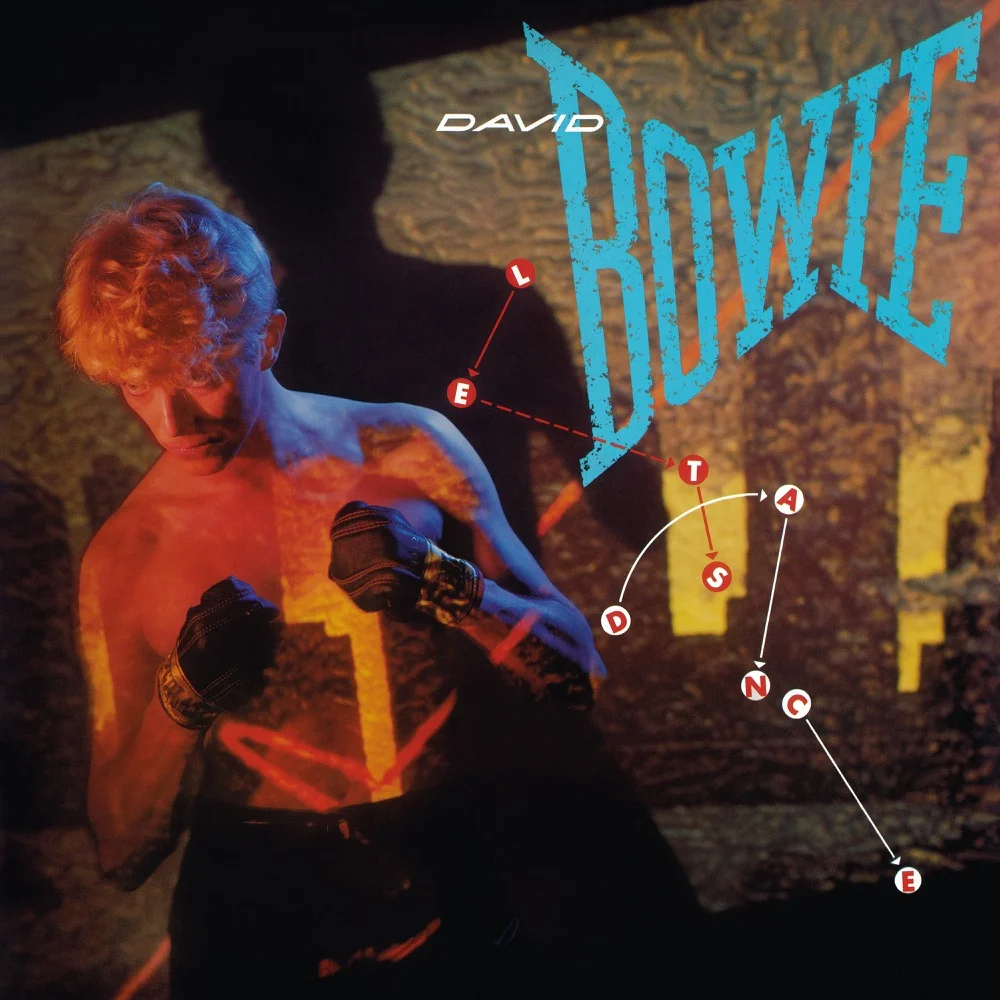
The Ultimate 80s Dance-Rock Anthem
Released in 1983, Let’s Dance marked David Bowie’s shift from art-rock experimentation to global pop superstardom. Produced by Nile Rodgers, the track combines a funk-driven bassline with a vocal performance that demands both subtle restraint and powerful projection.
Singing this song isn't just about hitting the notes; it's about capturing Bowie's unique charisma. You need to sound suave and mysterious in the verses, then explosive and desperate in the choruses. Let's break down the technical requirements.
Phase 1: The Crooner Verses
The song starts low and cool. When singing lines like "Put on your red shoes and dance the blues," you should utilize your chest resonance. The key is to keep the volume moderate (mezzo-piano).
The Trap: Don't make the verses too breathy. Bowie’s tone is clean and direct. Focus on clear diction, particularly on the consonants, to cut through the heavy bass groove.
Phase 2: The Pre-Chorus Build
As the song moves towards the chorus ("If you should fall..."), the melody begins to climb. You need to start lifting your soft palate here. This creates more space in the back of your throat, preparing your voice for the higher belt that is coming next.
- Resonance Shift: Move the vibration from your chest to your "mask" (the front of your face/nose area).
- Dynamics: Begin a gradual crescendo. You want to build tension that releases in the chorus.
Phase 3: The Chorus Belt
This is the vocal peak. The word "Dance" sits right on the break for many male singers (G4). To hit this cleanly, you need to commit to the note. Hesitation will cause your voice to crack or flip into a weak falsetto.
Use "twang" (a narrowing of the epiglottis) to make the sound piercing and bright without straining your vocal cords. This helps you match the energy of the brass section and the heavy drums.