 Singing Coach AI
A Lesson in Joy and Timing
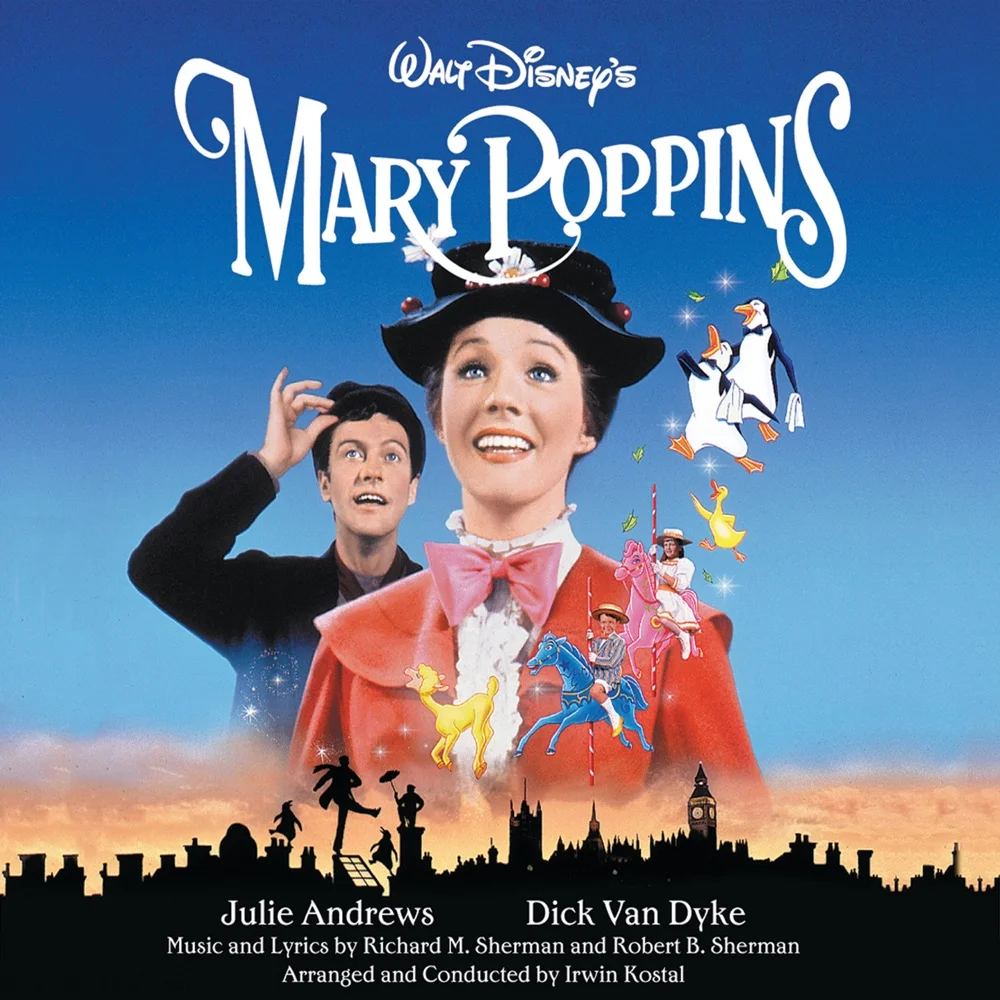
"Let’s Go Fly a Kite" is the emotional climax of Disney's 1964 classic Mary Poppins. Sung by David Tomlinson (Mr. Banks) and Dick Van Dyke (Bert), it represents the moment of redemption for the father figure. The song is composed in a swinging 12/8 time signature, often felt as a lively 4-beat shuffle.
Unlike power ballads, this song does not require massive range. Instead, the challenge lies in capturing the buoyant energy, crisp diction, and the specific "waltz" feel of the melody without rushing the tempo. Here is how to perfect it.
Phase 1: Mr. Banks’ Verse (0:00 - 0:35)
The song opens with Mr. Banks singing "With tuppence for paper and string..." The key here is transformation. His voice starts slightly proper and stiff (Received Pronunciation) but grows in warmth.
Technique: Focus on forward placement. The vowels should be tall and bright. On the line "You can have your own set of wings," ensure you don't swallow the 'ng' sound. Keep it resonant in the mask of the face.
Phase 2: The Chorus (0:35 - 1:10)
When the melody lifts to "Let's go fly a kite," you need to engage your diaphragm. The interval jump from "Let's" to "go" is a perfect fourth, which is very stable, but needs energy.
- Up to the highest height: This phrase requires breath support. Do not squeeze the throat on "height."
- Atmosphere: The word "atmosphere" is held for several beats. Use a steady vibrato here to mimic the floating nature of a kite.
- London Accent: If singing Bert's harmony, a subtle Cockney twang (dropping H's, glottal stops) adds authenticity.
Phase 3: The Ensemble Finale
As the choir joins in, the texture becomes thick. Your job is to maintain a clear, piercing chest voice that cuts through the orchestration. The final note is usually an Eb4 for the melody, which is a very comfortable belt for most male voices. Finish with a clean cutoff to match the marching band style of the outro.