 Singing Coach AI
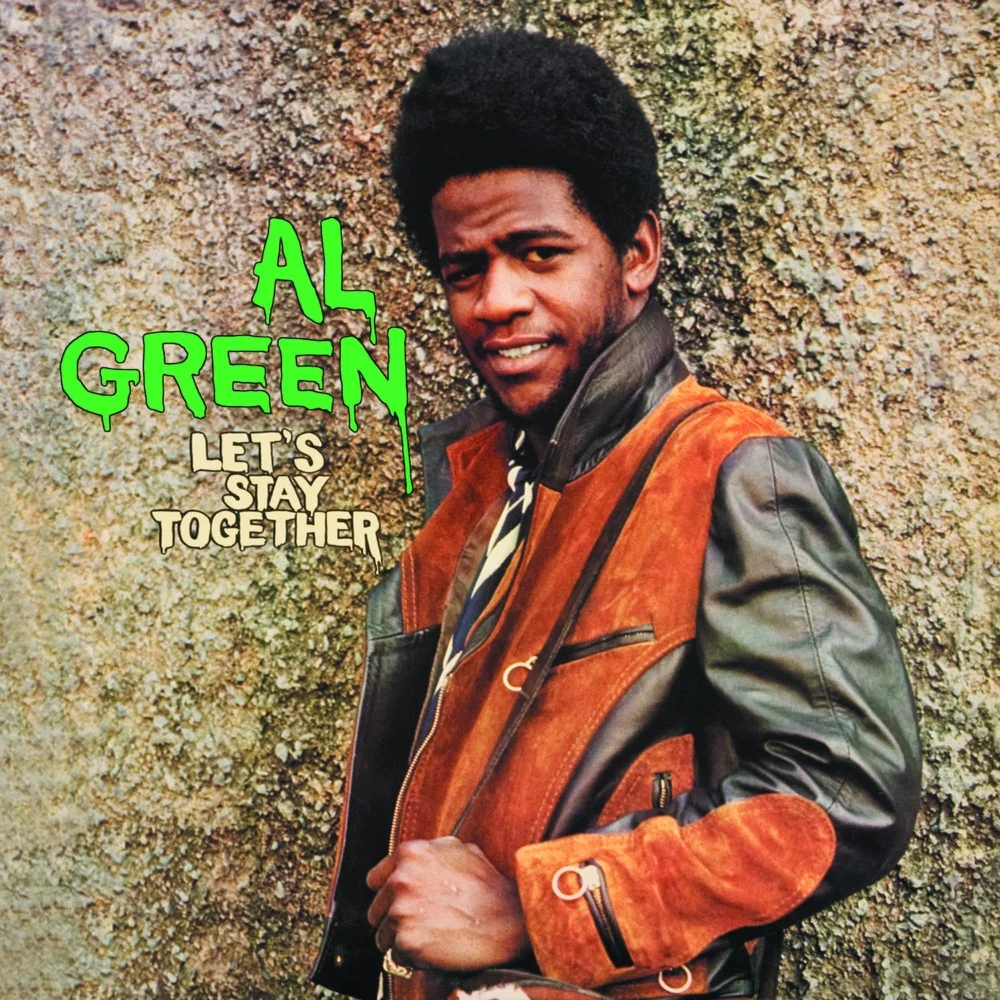
The Benchmark for Soul Vocals
"Let's Stay Together" is the definitive Al Green track. Released in 1972, it spent 16 weeks on the charts and defined the "Memphis Soul" sound. While it doesn't have the aggression of rock or the complexity of opera, it presents a different challenge: subtlety.
To sing this well, you must master the "feather-light" touch. Al Green never shouts; he coaxes. His voice floats above the beat with a relaxed confidence that is incredibly difficult to replicate without good breath support.
Phase 1: The Verse (0:15 - 1:02)
The song starts in F Major. The opening line "I, I'm so in love with you" sits in a comfortable mid-range for Tenors. The key here is phrasing. You shouldn't sing exactly on the grid.
The Trap: Rushing the beat. Al Green sings "behind the beat," creating a laid-back feel. If you are too precise with the rhythm, you will sound robotic. Relax into the groove.
Phase 2: The Falsetto Slide
Al Green is famous for sliding effortlessly between his full voice and falsetto. When he sings "Let's, let's stay together," the pitch jumps up, but the volume stays consistent.
- Volume Control: Don't get louder just because you are going higher. Keep the dynamics flat and smooth.
- The Flip: Practice the transition on the word "whether." It should feel like a gentle slope, not a cliff edge.
- Vowel Shape: Narrow your vowels on the high notes to maintain that piercing, yet sweet tone.
Phase 3: The Ad-libs & Outro
As the song progresses, Green adds more texture—little moans, hums, and runs. The line "Good or bad, happy or sad" requires flexibility.
This section is where you show personality. The notes go up to an A5 in the background falsetto layers. Keep your jaw loose and your neck relaxed. If you feel tension under your chin, you are pushing too hard.