 Singing Coach AI
A Surrealist Vocal Masterpiece
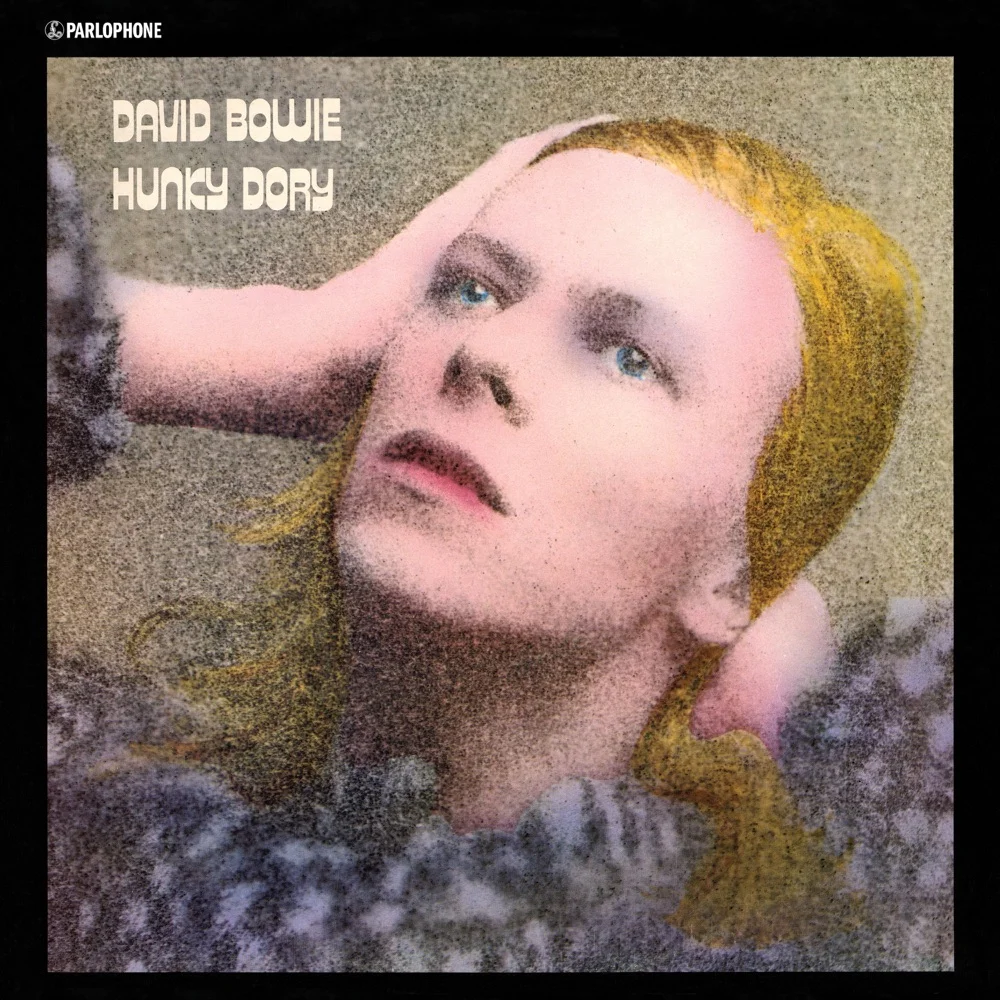
"Life on Mars?" is often cited as David Bowie's finest song. From the 1971 album Hunky Dory, it combines surrealist lyrics with a soaring, cinematic melody. The vocal performance requires a unique blend of delicate storytelling and immense power.
The song is structured to build tension. It moves from a quiet, conversational verse in F Major, through a harmonically complex pre-chorus, into a massive B♭ Major chorus that demands a strong upper chest register (or mixed voice). Let's break down the technique.
Phase 1: The Narrative Verse (0:00 - 0:49)
The verse ("It's a godawful small affair") sits comfortably in the middle range (around F3-C4). The challenge here is not pitch, but character. Bowie uses a dry, almost spoken tone.
The Trap: Do not over-sing this section. If you use too much vibrato or volume here, you will have nowhere to go when the song builds. Keep your diction crisp, especially on words like "mousy hair" and "submerged."
Phase 2: The Pre-Chorus Climb (0:49 - 1:15)
As the lyrics move to "But the film is a saddening bore," the piano chords become more tense. The vocal melody begins to ascend chromatically. You need to start engaging your diaphragm support here to prepare for the modulation.
Focus on maintaining a consistent tone color even as the chords underneath you shift. The line "Mickey Mouse has grown up a cow" requires a slight increase in volume (crescendo).
Phase 3: The Chorus Belt (1:15 - 1:50)
This is the release. The key changes, the strings swell, and you must belt. The melody hovers around G4 and A4, peaking at the B♭4 on "Mars" and "Dance hall."
Bowie sings this with a "cry" in his voice—a technique that tilts the thyroid cartilage and helps thin out the vocal folds, allowing you to hit these high notes with power but without yelling. Ensure your mouth is open tall (drop your jaw) on the vowels for "Mars" to maximize resonance.