 Singing Coach AI
Mastering the Art of Subtlety
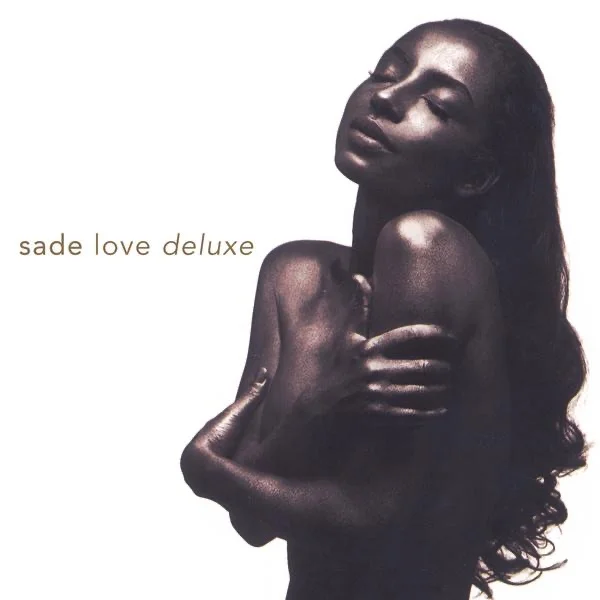
Released on the 1992 album Love Deluxe, "Like a Tattoo" is a masterclass in vocal restraint. Unlike power ballads that rely on high belts, this song draws its power from intimacy. It tells the story of a man recounting a war trauma, requiring the singer to act as a narrator with deep empathy.
To sing this well, you must be comfortable in your lower register. The challenge lies in maintaining a consistent, warm tone while using a significant amount of air (breathiness) without running out of breath or losing pitch stability.
Phase 1: The Narrative Verse (0:00 - 1:15)
The song begins in B minor with a slow, haunting groove. The opening lines ("He told me...") sit low in the F#3 to A3 range. This is the "speaking range" for many women and a comfortable low range for men.
The Trap: Because it is quiet, singers often "swallow" the words. You must bring the resonance forward to the lips and teeth (forward placement) so the lyrics are intelligible even at a whisper volume.
Phase 2: The Emotional Rise (1:15 - 2:30)
As the story intensifies ("I still have it here..."), the melody lifts slightly, touching upon C5. However, Sade does not belt this. She maintains a smooth head-voice mix.
- The "Hunger": On the word "hunger," allow a slight vocal fry or texture at the onset of the note to convey the grittiness of the lyric.
- Vibrato: Use a slow, delayed vibrato. Sing the note straight tone first, then allow the vibrato to bloom at the very end of the phrase.
Phase 3: The "Circle of Fire" (2:30 - End)
The climax of the song is lyrical, not necessarily vocal height. The repetition of the melody requires you to vary your dynamics. Pull back even softer on the final verses to draw the listener in.
Focus on the "release" of your notes. Don't chop the ends of words off abruptly; let them fade out like smoke. The AI Coach monitors your "sustain" metric here closely.