 Singing Coach AI
Defining the "Queen of Pop" Sound
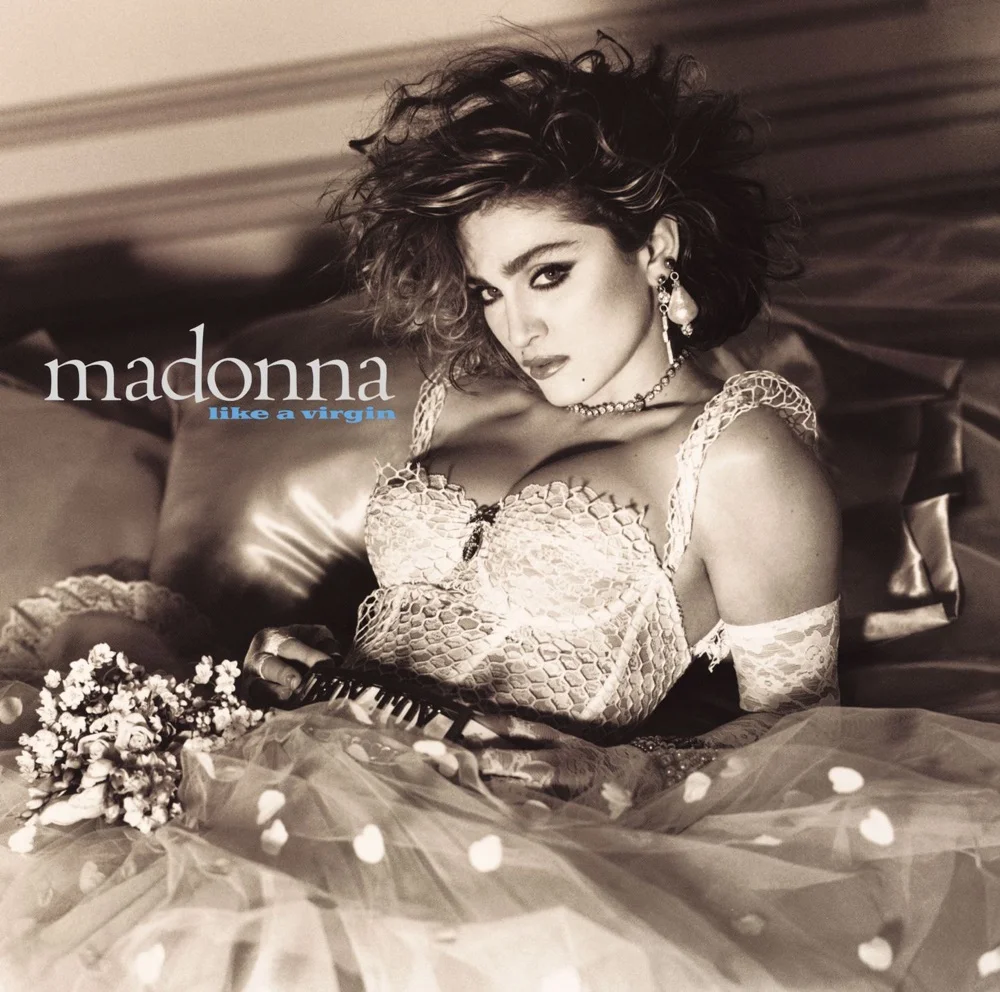
Released in 1984, "Like a Virgin" is the song that transformed Madonna from a club singer into a global icon. Produced by Nile Rodgers, the track features a bouncing bassline and a vocal performance that is intentionally stylized, bright, and teases the line between innocence and experience.
Singing this track isn't about belting power notes. It is about attitude, rhythm, and timbre. You need to master a "forward placement" technique to achieve that signature piercing, youthful sound without straining your throat.
Phase 1: The Verses (Low & Breathy)
The song starts in F Major. The verses ("I made it through the wilderness...") sit in the lower part of the mezzo range (around G3-A3). The common mistake here is singing too heavy.
The Fix: Keep your volume at a conversational level. Use a bit of breathiness to create intimacy. If you press too hard on these low notes, you will sound muddy and lose the pop crispness.
Phase 2: The Chorus (The Hook)
The chorus lifts the energy. The melody on "Like a virgin" ascends to a C5. This requires a shift in resonance. You should aim for a "nasal" or "mask" resonance—think of aiming the sound right behind your nose.
- Rhythm: The delivery is staccato. Do not drag the notes. It needs to bounce with the bassline.
- The "Hey!": The shouts in the background are crucial for the energy. Keep them short and punchy.
- Dynamics: Notice how she swells on "touched for the very first time." Use a crescendo here.
Phase 3: The Ad-libs and Bridge
As the song progresses, Madonna adds more vocal fry and slides. The bridge brings emotional intensity before dropping back into the groove. The fade-out features higher ad-libs that require a light head voice or a very heady mix.
To practice the "baby voice" texture without damage, smile while you sing. Lifting your cheeks brightens the sound naturally and raises the soft palate, making the higher notes feel easier.