 Singing Coach AI
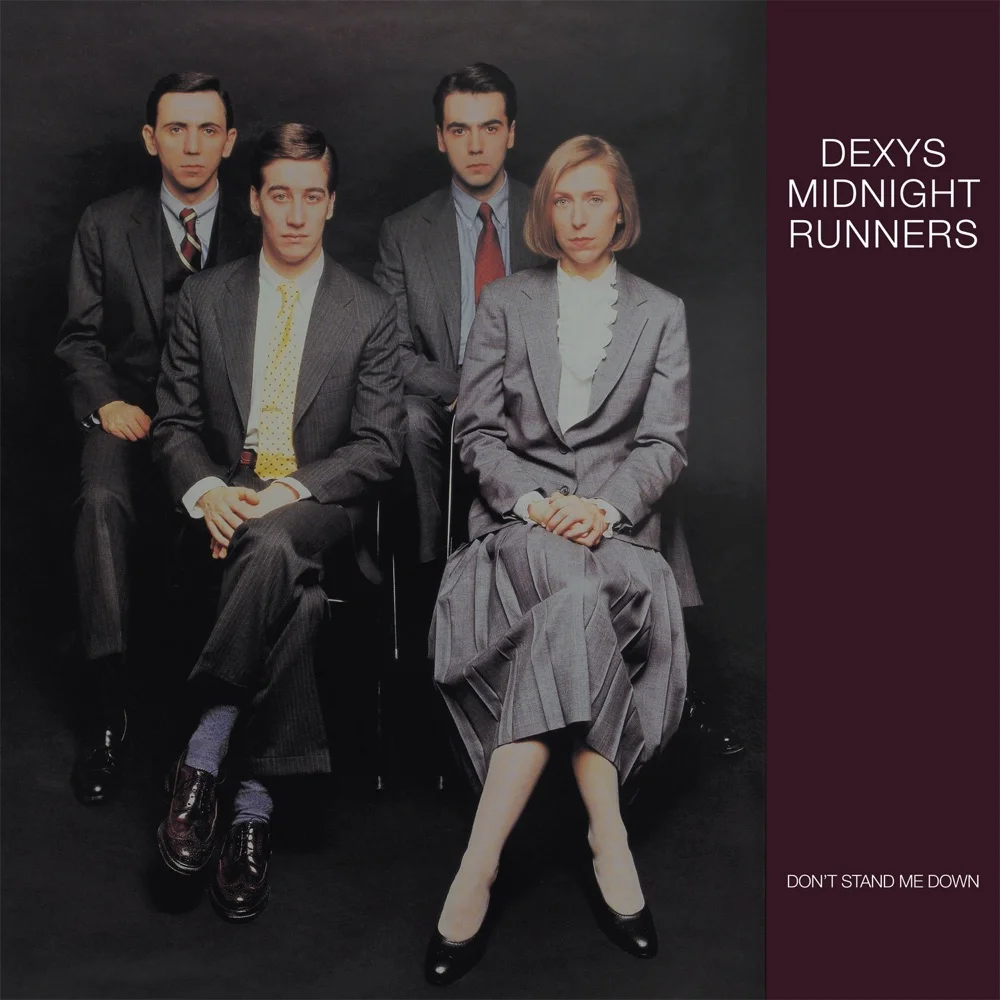
Mastering the "Dexys" Style
"Listen to This" showcases the unique vocal stylings of Kevin Rowland, a singer known for wearing his heart on his sleeve. Unlike standard pop songs where pitch perfection is the goal, Dexys Midnight Runners tracks demand character, distinct pronunciation, and emotional commitment. It's about the feeling behind the note as much as the note itself.
The song blends soul influences with a distinct folk attitude. To sing this effectively, you need to navigate the fine line between singing and emotive storytelling. Let's break down the technique required to capture this energy.
Phase 1: The Build-Up
The track typically starts with a groove that requires you to sit in the pocket. The challenge here is rhythmic phrasing. You aren't just hitting notes; you are communicating a message. Keep your volume moderate (mezzo-forte) but keep the intensity high. Think of it as a passionate conversation.
The Trap: Many singers drag the tempo during the verses. Stay right on top of the beat to match the driving energy of the backing band.
Phase 2: The Soul Belt
As the song lifts into the chorus sections, you need to engage your chest voice. The melody may climb up to a G4 or A4. This shouldn't be a clean, classical sound. It requires a bit of "grit" or vocal fry to convey the urgency of the lyrics.
- The "Cry": Use a technique often found in soul music called the "cry"—a slight break or sob in the voice to accentuate emotional words.
- Breath Support: These sections are wordy. Ensure you are taking deep, low breaths from your diaphragm to sustain the power without straining your throat.
Phase 3: The Ad-libs and Outro
Dexys tracks are famous for their loose, almost improvisational outros. This is your chance to show personality. Don't be afraid to deviate slightly from the melody with shouts, hums, or spoken interjections, provided they stay in key.
To score high in the Singing Coach AI app during this section, focus on pitch stability during long sustained notes, even if you are adding stylistic flair.