 Singing Coach AI
Mastering Stevie's Grit & Groove
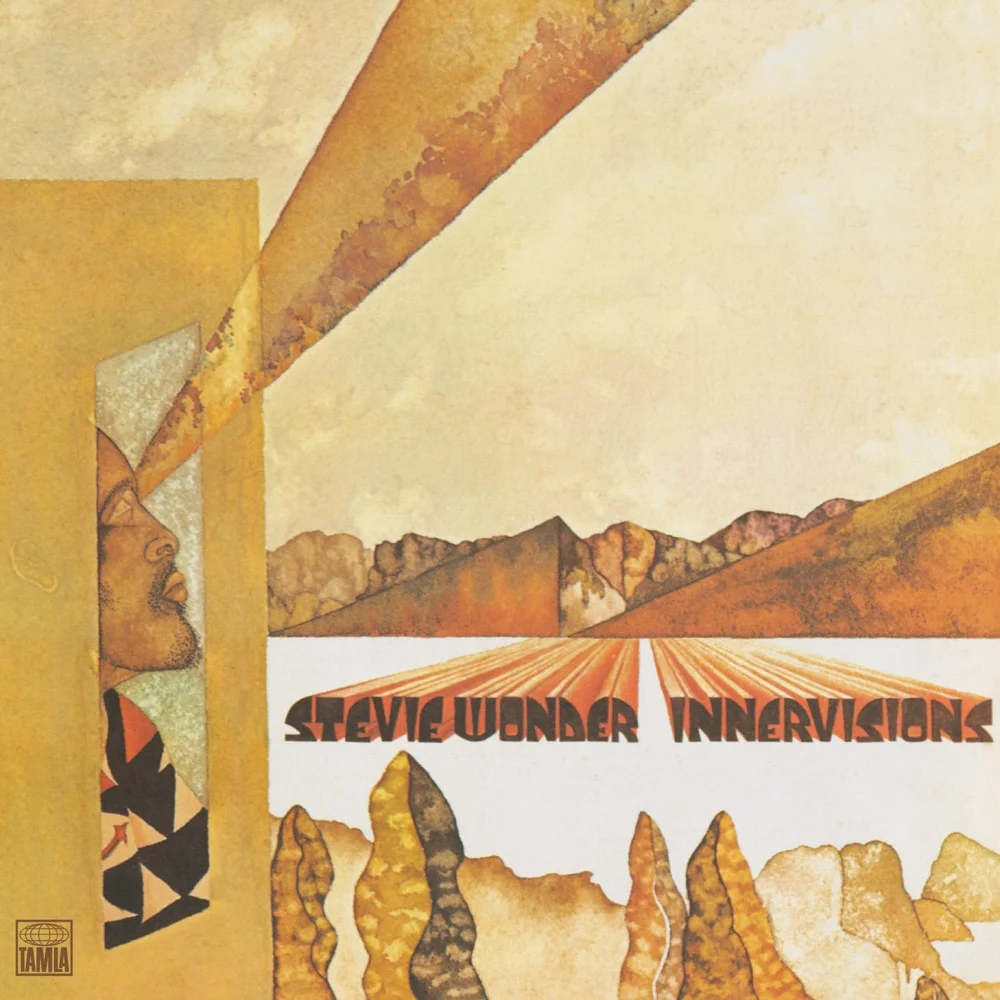
"Living for the City" is a cornerstone of Stevie Wonder's 1973 masterpiece Innervisions. It is not just a song; it's a cinematic narrative about struggle and survival. For a vocalist, the challenge lies in balancing the storytelling of the verses with the raw, guttural power of the chorus and outro.
Stevie's performance is legendary for its rasp and aggression. To sing this song effectively, you need to understand how to produce that "growl" without hurting your voice, all while staying locked into the funk-driven pocket.
Phase 1: The Narrative Verses
The song starts in F# Major. The verses ("A boy is born in hard time Mississippi...") sit in a mid-range suitable for Tenors and High Baritones. The focus here is diction and rhythm.
The Trap: Don't sing too "straight." You need to sit slightly behind the beat to capture that soul/R&B feel. Treat the lyrics like a conversation, emphasizing the consonants to make the story clear.
Phase 2: The Chorus Hook
The repeated line "Living just enough, just enough for the city" is deceivingly difficult. It requires consistent breath support. You are hitting G#4s repeatedly.
- Placement: Keep the sound forward in the "mask" (nasal resonance) to cut through the mix.
- Dynamics: Each repetition should feel slightly more urgent than the last.
- Vowels: Modify the "i" in "City" to sound more like "Siteh" to open up the throat for the higher notes.
Phase 3: The Outro & The Grit
After the spoken-word bridge, the song explodes. Stevie's voice becomes raspy and desperate. This is the "danger zone" for untrained singers.
To achieve this distortion, you want to engage the false vocal folds gently while maintaining a clean fundamental pitch. Think of the sound you make when clearing your throat, but sustain it with airflow. Do not squeeze! If you feel a tickle or pain, stop immediately.