 Singing Coach AI
The Indie Pop Stamina Test
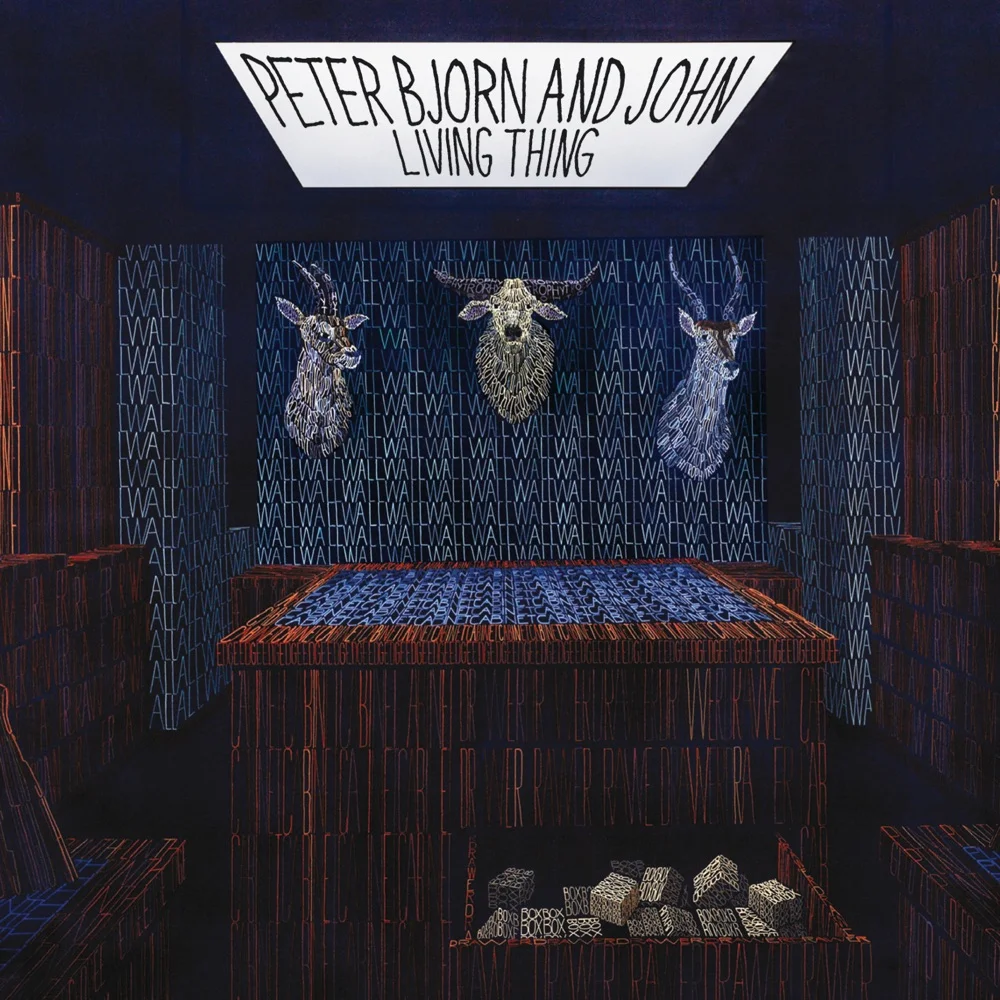
Released on the acclaimed album Writer's Block, "Living Thing" by Peter Bjorn and John showcases the band's signature style: driving acoustic guitars, percussive elements, and raw, melodic vocals. Unlike power ballads, this song challenges your rhythmic accuracy and ability to maintain a consistent tone at a fast tempo.
Peter Morén's vocal delivery is deceptively simple. It sits in a comfortable range for most male voices, but the phrasing is rapid. The challenge is clear diction without losing the "cool," relaxed indie vibe.
Phase 1: The Verses (Rhythm & Flow)
The song starts with that recognizable acoustic strum pattern. When the vocals enter, they are almost conversational. You are singing in a chest voice, but keep it light. Do not push from the diaphragm as if you were singing opera; think of it more like storytelling over a beat.
The Trap: Running out of breath. The lines are packed with syllables. Identify the breath points between phrases early, or you will find yourself gasping by the chorus.
Phase 2: The Chorus (Melodic Lift)
The energy lifts here. The melody becomes more sustained compared to the staccato verses. You need to smooth out your vocal line. The notes go slightly higher (touching the F#4), so ensure you aren't straining your neck.
Keep the sound "forward" in the mask of your face (the nose and cheekbones area). This "twangy" placement fits the indie-pop genre perfectly and helps you cut through the dense percussion without yelling.
Phase 3: The Bridge & Energy
As the song progresses, the instrumentation builds. It is tempting to shout to match the volume of the track. Instead, focus on intensity through clearer articulation and a solid chest resonance. Let the microphone do the work for volume.