 Singing Coach AI
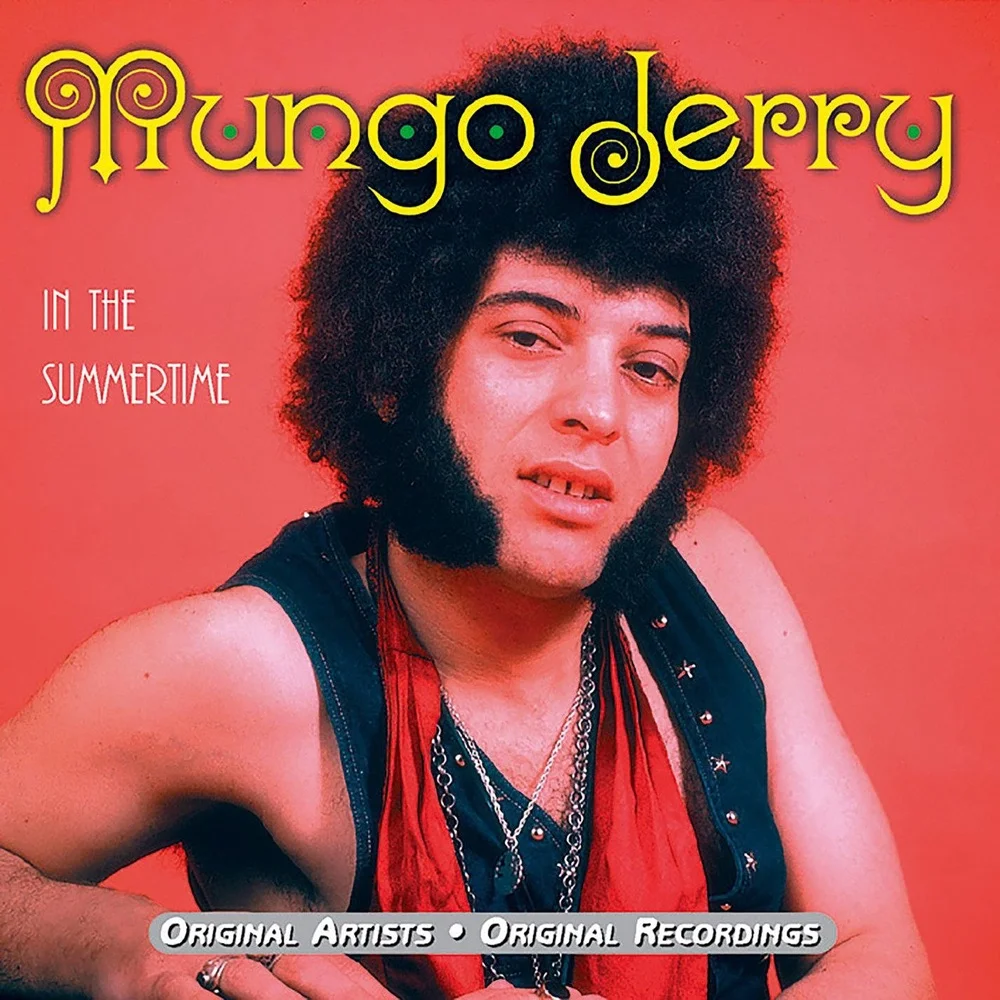
The King of Stomp-Rock Vocals
"Long Legged Woman Dressed in Black" is a masterclass in rhythm and attitude. Released by Mungo Jerry in 1974, this track carries the band's signature skiffle-blues rock style. Unlike ballads that require long sustained notes, this song demands punchy, staccato delivery and a relaxed chest resonance.
To sing this well, you need to lock into the groove. The vocals often act as a percussion instrument here. Let's break down exactly how to tackle the grit and timing without running out of breath.
Phase 1: The Verses (Storytelling)
The song kicks off immediately with high energy. The range is comfortable for most baritones, staying in the speaking register. The key here is diction.
The Trap: Because the lyrics move quickly, singers often slur words. Focus on sharp consonants, especially on words like "black," "track," and "back." Keep your jaw loose to maintain that effortless rock vibe.
Phase 2: The Chorus Hook
The title line, "Long legged woman dressed in black," is the hook everyone waits for. This needs a slight volume boost. You should feel the vibration in your chest.
- Rhythm: Ensure you land heavily on the downbeat of "Long."
- Tone: Avoid singing this too cleanly. A bit of vocal fry or "growl" at the start of the phrase adds authenticity.
- Oh Yeah: The ad-libs require forward placement. Smile slightly while singing "Oh yeah" to brighten the tone and cut through the mix.
Phase 3: The Bluesy Rasp
Ray Dorset is famous for his gritty vocal texture. To achieve this safely, you want to use "twang" rather than forcing air through your throat. Narrow the space just above your vocal cords slightly.
If you feel tickling or pain, stop immediately. The grit should come from resonance, not friction. Think of it as a "lazy" sound rather than an "angry" sound.