 Singing Coach AI
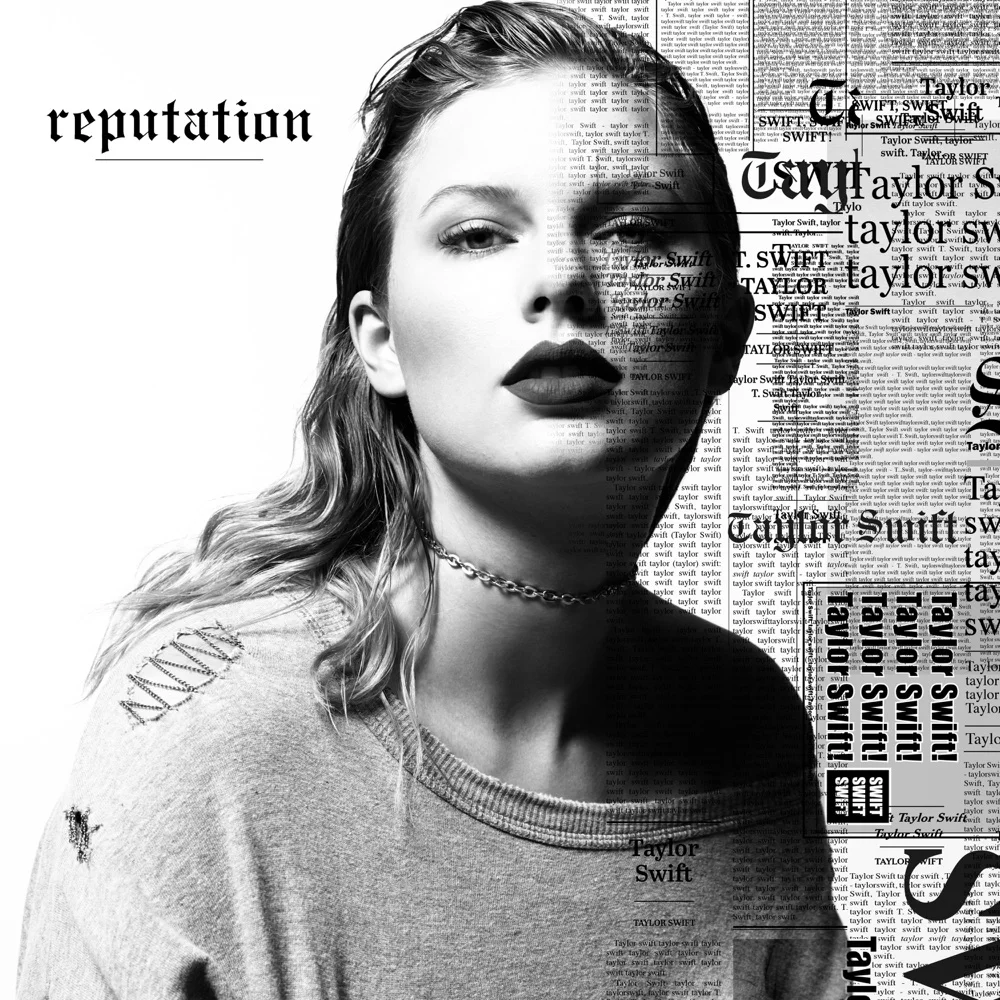
Mastering the Art of "Revenge Pop"
Look What You Made Me Do marked a pivotal moment in Taylor Swift's career, transitioning from the romantic synth-pop of 1989 to the darker, edgier sound of Reputation. While the vocal range isn't as demanding as her ballads, the challenge lies in the "character" work. You cannot sing this song politely; you have to perform it with attitude.
The track relies heavily on a technique called "Talk-Singing," where the melody sits very close to spoken word. This requires impeccable breath control in the lower register and sharp, percussive diction in the chorus. Let's break down the phases of the song.
Phase 1: The Verses (Low & Theatrical)
The song sits in A Minor. The verses hover around G3-A3. This is quite low for many sopranos. To project here without frying your voice, keep your chest high and engage your diaphragm.
The Vibe: Think of this less as singing a melody and more as telling a secret. It should sound intimate but threatening. Avoid using too much vibrato here; keep the tone straight and icy.
Phase 2: The Pre-Chorus Climb
On the line "But I got smarter, I got harder in the nick of time," the melody begins to ascend. This is where you need to switch from the low chest voice into a forward, brighter mix. The tension builds here, so increase your volume gradually to lead into the drop.
Phase 3: The Chorus (Rhythm is King)
The chorus is deceptively simple. "Ooh, look what you made me do" repeats in a rhythmic, almost monotonic pattern. It creates a hypnotic effect.
The Trap: Because the notes are repetitive, singers often drag the tempo. You must stay exactly on the beat. The "Ooh" should be punchy, not slid into. Use a "glottal stop" (a slight click in the throat) to start the vowel cleanly.
Phase 4: The Bridge Climax
"I don't trust nobody and nobody trusts me." This section is faster and requires agility. You need to articulate every syllable clearly while maintaining the driving rhythm. This leads to the final, high-energy outcry.