 Singing Coach AI
Mastering the Art of the Pop Ballad
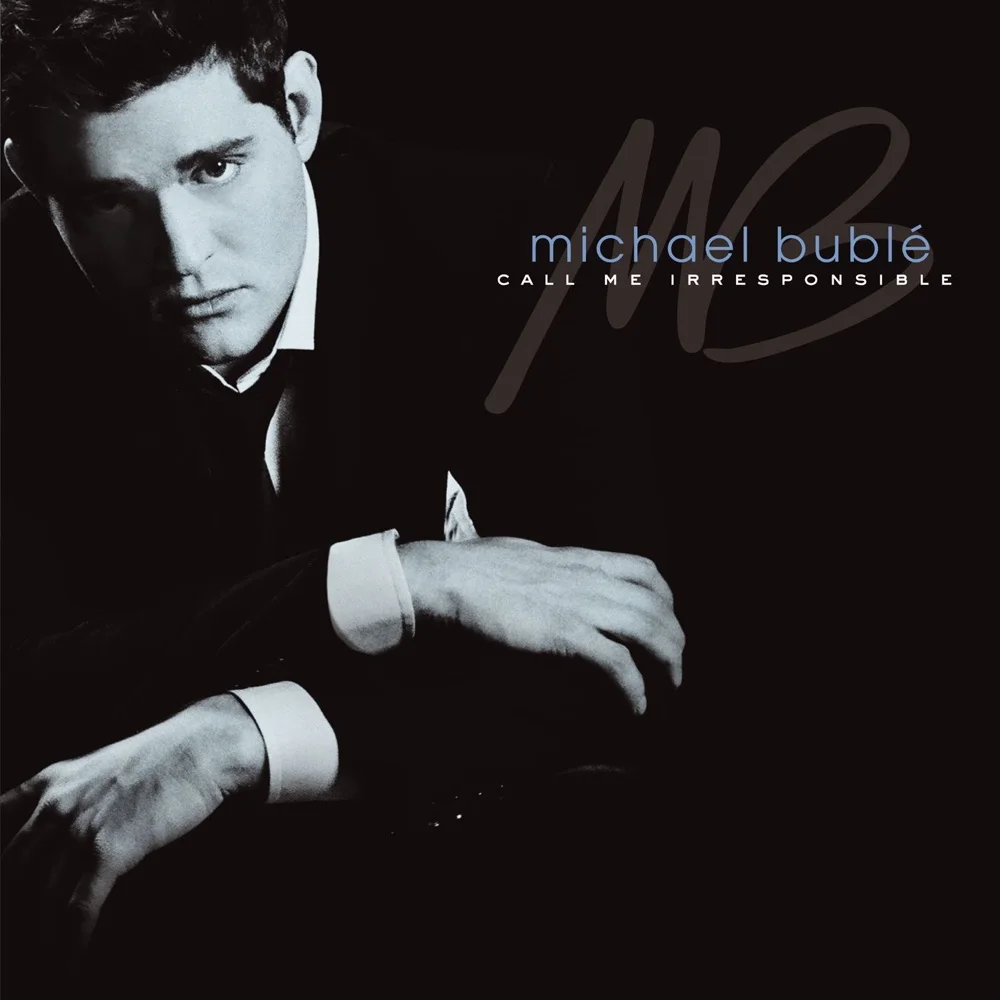
Included on his 2007 album Call Me Irresponsible, "Lost" is a masterclass in vocal control and subtlety. Unlike high-energy swing tracks, this song requires a grounded, intimate delivery. It was written by Michael Bublé following a breakup, and capturing that sense of resignation and comfort is key to a high score.
To sing this well, you need excellent breath support for the long legato lines in the verses, and a warm, resonant tone that doesn't falter in the lower register. Let's break down exactly how to tackle it, section by section.
Phase 1: The Verses (Intimacy)
The song begins in F Major. The melody sits low (around F2-A2). The challenge here is clarity. You want to sound conversational, almost like you are speaking to someone right next to you.
The Trap: As the melody dips, singers often let their vocal cords separate too much, creating a breathy "whisper" that lacks tone. Maintain cord closure to keep the warmth of the Baritone quality, even if you are a Tenor.
Phase 2: The Chorus (The Lift)
The chorus ("Cause you're not lost...") lifts the energy. The melody ascends to C4 and D4. This isn't a power belt, but it requires more support than the verse.
- Phrasing: Bublé connects words smoothly ("You're-not-lost"). Avoid choppy staccato singing here.
- Vibrato: Use a gentle vibrato at the end of sustained notes to add warmth.
- Dynamics: Crescendo slightly into the word "Lost" to emphasize the title of the track.
Phase 3: The Bridge (Emotional Peak)
The bridge ("I know that I can't find you...") is the emotional climax. The vocals become more urgent. You will be hitting the higher end of the chest voice range here (around E4/F4).
Keep your larynx neutral. If you raise your chin to reach for these notes, you will strain and sound shouting rather than pleading. Think of singing "down" into the notes to keep the tone rich.