 Singing Coach AI
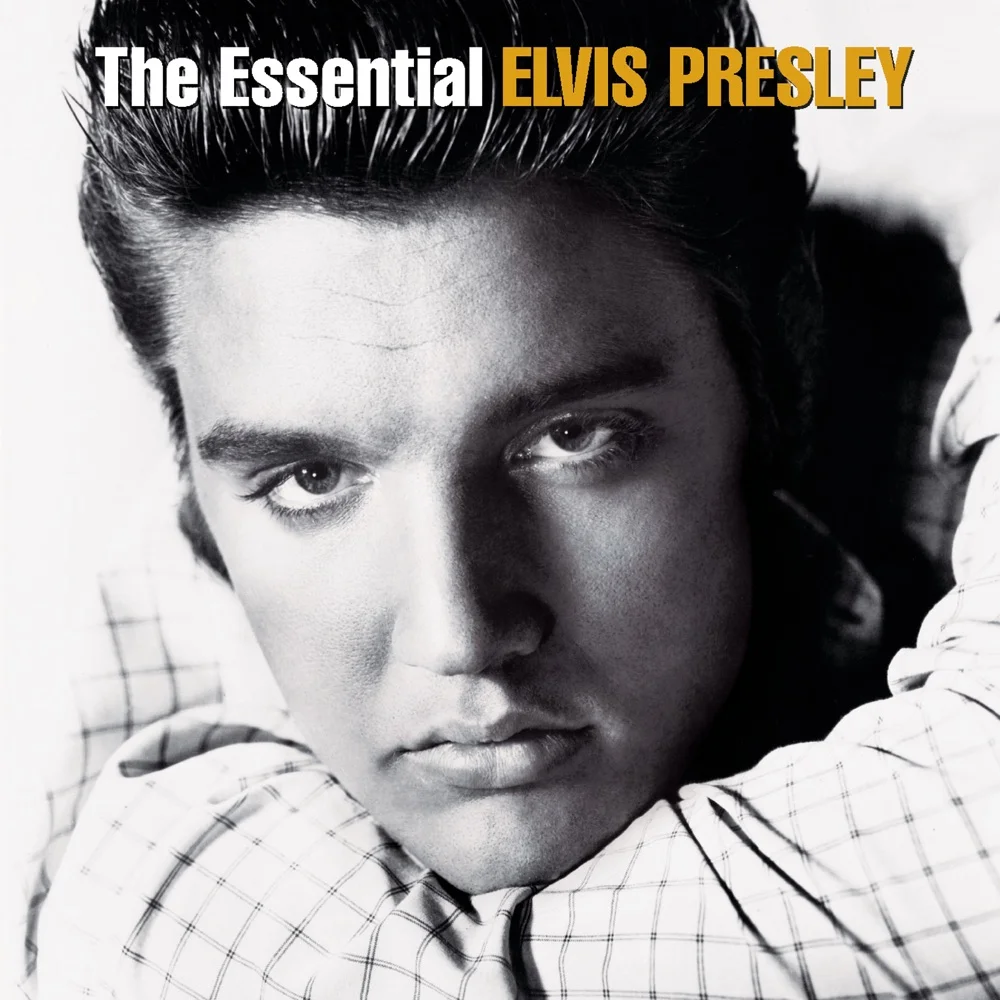
The Ultimate Baritone Anthem
Adapted from the Civil War ballad "Aura Lee," Love Me Tender is deceptively simple. Unlike modern pop songs that rely on high notes and belting, this track lives entirely in the lower register. It requires confidence, relaxation, and a deep emotional connection to the lyrics.
To sing this well, you must avoid "pushing" your voice. The magic of Elvis's performance is his ability to sound intimate, as if he is singing directly into your ear. Let's break down the technique required to master this classic.
Phase 1: The Low Verses
The song stays comfortably in the chest voice. The opening line "Love me tender, love me sweet" sits right in the "pocket" for baritones. The lowest note is an A2, which provides a rich, warm foundation.
The Trap: Because it is low, singers often drop their chin to their chest. This constricts the larynx. Keep your head level and imagine the sound vibrating in your chest, not your throat.
Phase 2: The Vibrato Control
Elvis was famous for his distinct vibrato. In this track, he uses it selectively at the ends of phrases like "never let me go." The vibrato is relatively fast but shallow.
- Straight Tone: Start the note straight (no wobble).
- The Bloom: Allow the vibrato to come in only at the very end of the sustained note.
- Legato: Ensure the transition between words is smooth. Don't chop the sentences up.
Phase 3: The Emotional Delivery
This is a ballad about devotion. The technical difficulty is low, which means the audience focuses entirely on your tone. If you sing it robotically, it fails.
To achieve the "breathy" quality without losing volume, try to sigh into the notes. This adds a texture of vulnerability that fits the lyrics perfectly. This is the difference between singing notes and telling a story.