 Singing Coach AI
A Masterclass in Vocal Atmosphere
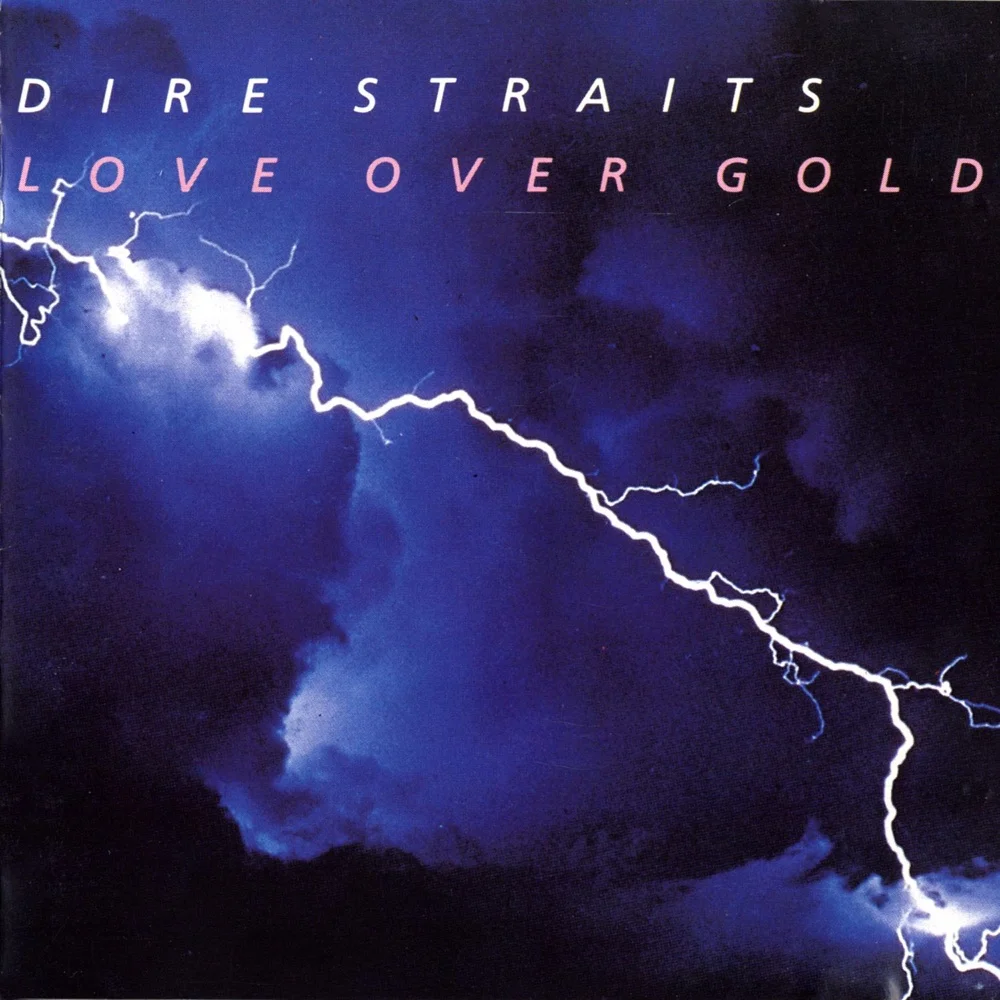
Love Over Gold is the title track from Dire Straits' 1982 album, known for its sprawling, progressive arrangement and intricate piano work. Unlike high-energy rock anthems, this song requires a vocalist to master the art of restraint. It is a storytelling piece that demands intimacy.
Mark Knopfler’s vocal performance is situated firmly in the baritone range. He doesn't sing to impress with range; he sings to convey the weight of the lyrics. The challenge lies in the "Sprechgesang" technique—a style that hovers between speaking and singing.
Phase 1: The Intimate Verse (0:00 - 1:45)
The song opens with sparse instrumentation. Your voice is very exposed here. The lyrics "You live in a hall of mirrors" should be delivered almost as a whisper, but with supported breath.
The Trap: Because it is quiet, singers often drop their breath support, causing the pitch to go flat. Keep your diaphragm engaged even when singing at a pianissimo volume.
Phase 2: The Narrative Build (1:45 - 3:30)
As the piano becomes more complex, the vocal intensity must rise slightly, but pitch remains low. The key here is resonance. Aim to feel the vibration in your chest rather than your nose.
- Diction: Knopfler softens his consonants. "Mirror" becomes "Mirrah." Mimicking this creates the authentic blues/folk rock texture.
- Vowels: Keep vowels dark and rounded. Avoid bright, pop-style vowels.
Phase 3: The Coda and Fade
The song features extended instrumental passages where the vocals return sporadically. The stamina challenge here is mental—staying connected to the emotion of the song during the long breaks so that when you re-enter, the tone matches the previous sections.