 Singing Coach AI
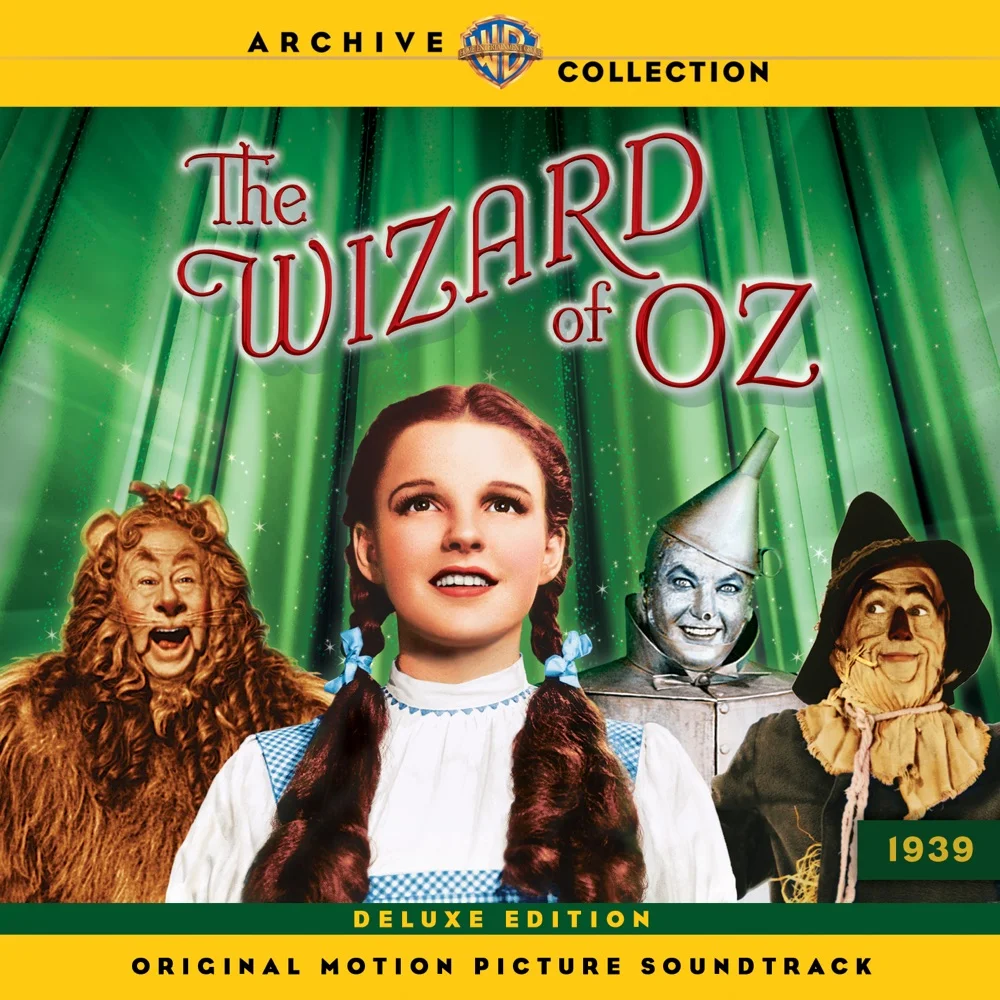
Mastering the "Munchkin" Sound
The "Lullaby League" segment from The Wizard of Oz is one of the most recognizable moments in film history. While the original recording famously utilized studio tricks (recording slower and speeding up the playback) to achieve that high-pitched, chipmunk-like quality, you can replicate the character style naturally with the right technique.
To sing this well, you need to abandon standard "pop" technique. This track is about bright resonance, clear diction at high speeds, and character acting. It sits high in the tessitura, meaning you will spend almost the entire song in your head voice or falsetto.
Phase 1: The Introduction (0:00 - 0:15)
The song opens with "We represent the Lullaby League." The rhythm here is strict and staccato. Do not slide between notes. Each syllable should be distinct.
The Trap: Because you are focusing on the character voice, it is easy to go flat. Keep the energy high and the air support consistent. Think of the sound resonating in your "mask" (the front of your face/nose area).
Phase 2: The High "Welcome" (0:15 - 0:30)
The repetition of "And in the name of the Lullaby League..." leads into the famous harmonies. The melody jumps around the E♭ Major scale quickly.
- Articulation: The lyrics move fast. Focus on crisp T's and P's. The AI Coach tracks your rhythmic precision here.
- The Welcome: The repeated "Welcome to Munchkinland" involves high harmony stacks reaching up to E5. Keep this light! If you push too much chest weight, you will sound like an opera singer rather than a Munchkin.
Phase 3: Character Consistency
The hardest part of this song isn't the notes; it's maintaining the character. You are playing a role. The tone should be playful, dainty, and polite.
Avoid adding vibrato. The Munchkin sound is typically very straight-tone to emphasize the "toy-like" quality of the voices. Use a "twangy" vocal setup (narrowing the epiglottis) to cut through the mix without needing to yell.