 Singing Coach AI
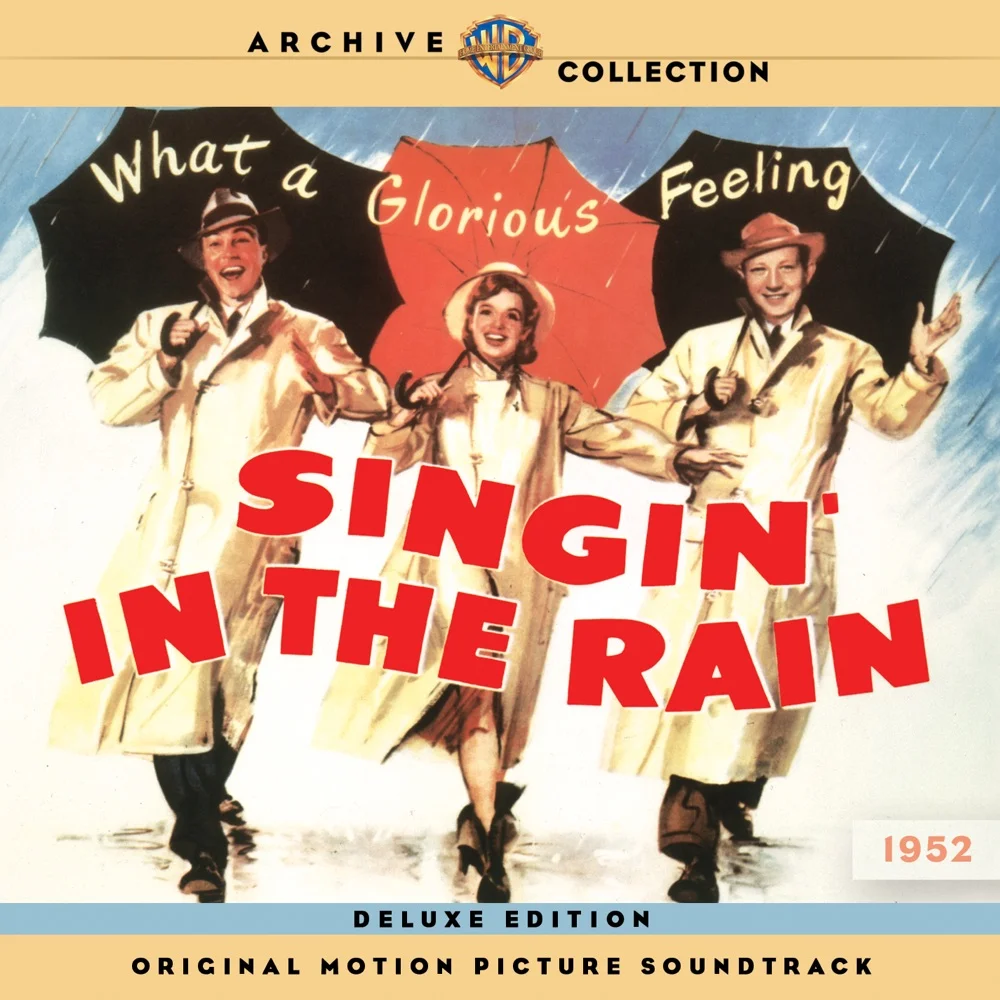
The "Marathon" of Musical Comedy
Make ‘Em Laugh isn't just a song; it's a test of endurance. Famous for Donald O'Connor's gravity-defying backflips in the 1952 classic Singin' in the Rain, this track requires immense energy and precise rhythmic timing. It is a classic "patter" song where diction is more important than holding long, beautiful notes.
To sing this well, you need to channel your inner clown. The vocals must be punched, accented, and delivered with a smile you can "hear." Let's break down exactly how to tackle the stamina requirements without running out of air.
Phase 1: The Setup (Conversational)
The song begins with the famous hook "Make 'em laugh, make 'em laugh." This should sit comfortably in your chest voice. The goal here is immediate engagement. Do not sing this legato (smooth); keep it staccato and bouncy.
The Trap: Many singers start too loud. You need to save your volume for the punchlines. Treat the verses like you are telling a secret joke to the audience.
Phase 2: The Patter (Rapid Fire)
As O'Connor dives into the stories ("My dad said be an actor, my son..."), the syllables per second increase dramatically. You must have active lips and a relaxed tongue.
- Consonants: Focus on crisp T's, K's, and P's. These percussive sounds act as your rhythm section.
- Breath: You cannot wait for a designated rest to breathe. You must take "sip breaths" (quick, shallow intakes) between phrases.
- Tone: Keep the sound forward, right behind your nose (the "mask"). This creates the bright, vaudeville tone required for the genre.
Phase 3: The Physicality
Even if you aren't running up walls, your voice needs to sound physically exerted but controlled. The final "Make 'em laugh!" usually ends on a sustained note (often an F4 or equivalent depending on the key). This is the only time you really hold a note.
Ensure you plant your feet and engage your diaphragm for this final belt to avoid wavering after two minutes of rapid singing.