 Singing Coach AI
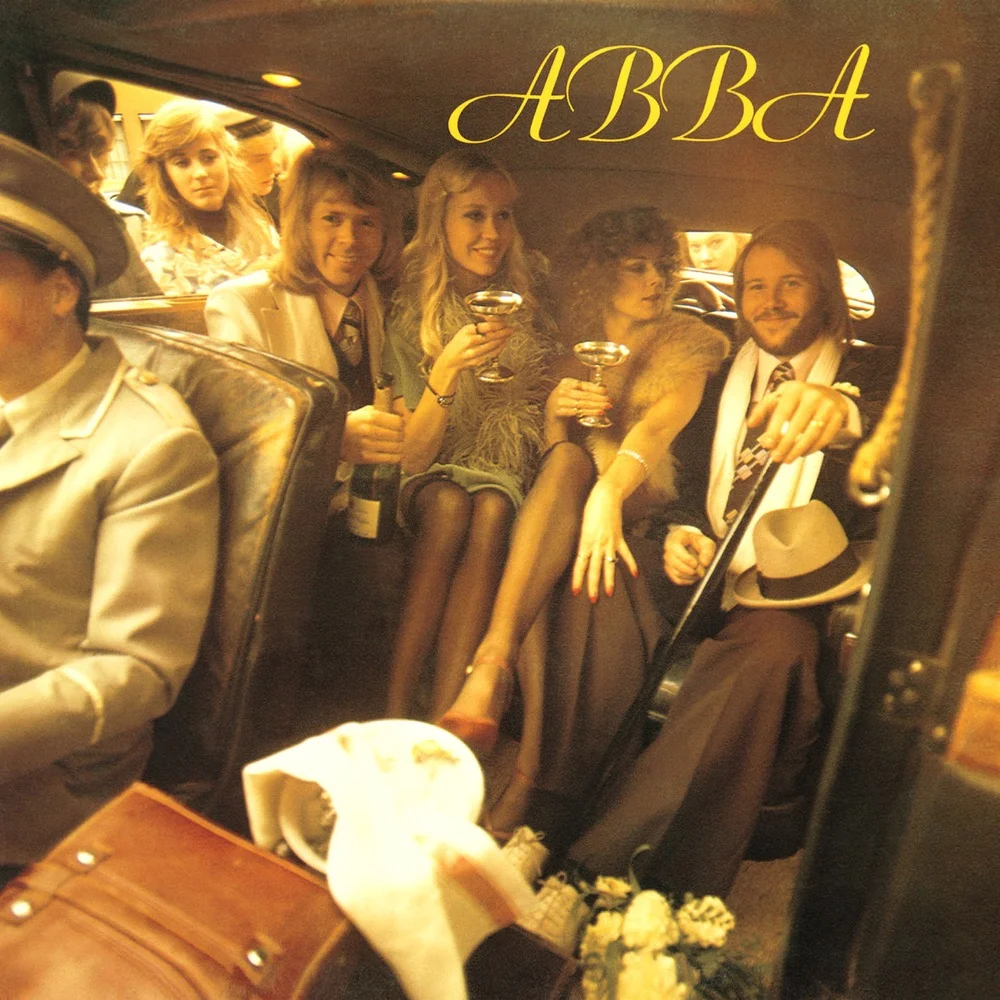
The Ultimate Pop Anthem
Mamma Mia is the track that defined a generation of pop. Released in 1975, it combines the genius songwriting of Benny Andersson and Björn Ulvaeus with the vocal clarity of Agnetha Fältskog and Anni-Frid Lyngstad. While it sounds effortlessly happy, the vocal technique required to keep it crisp and energetic is significant.
The song sits in D Major and is renowned for its distinctive marimba intro. To sing this like ABBA, you need to abandon breathy indie styles and embrace a bright, "twangy" placement that cuts through the mix.
Phase 1: The Verse (0:00 - 0:45)
The opening lines, "I've been cheated by you since I don't know when," sit in a lower, conversational range (around A3). The challenge here is not pitch, but attitude. It needs to sound regretful yet rhythmic.
The Trap: Don't swallow your words. ABBA is famous for incredibly clear diction (even though English wasn't their first language). Articulate your 'T's and 'D's clearly to match the staccato feel of the backing track.
Phase 2: The Pre-Chorus (0:45 - 1:10)
"Just one look and I can hear a bell..." Here the melody begins to climb. You should feel the resonance moving from your chest up into your mask (the front of your face).
- Breath Control: The phrases get longer here. Take a solid breath before "One more look..." to sustain the energy through the line.
- Dynamics: Gradually increase your volume. You want to create a "crescendo" leading into the chorus explosion.
Phase 3: The Chorus Belt (1:11 - 1:45)
The chorus is pure energy. The melody jumps to a D5 and E5. This is where you need your "mix voice." If you pull pure chest voice up this high, you will strain. If you switch to falsetto, you lose the power.
Use a "nyah-nyah" vocal placement (similar to a childish tease) to thin out the vocal cords while maintaining the metallic ring required for the style.