 Singing Coach AI
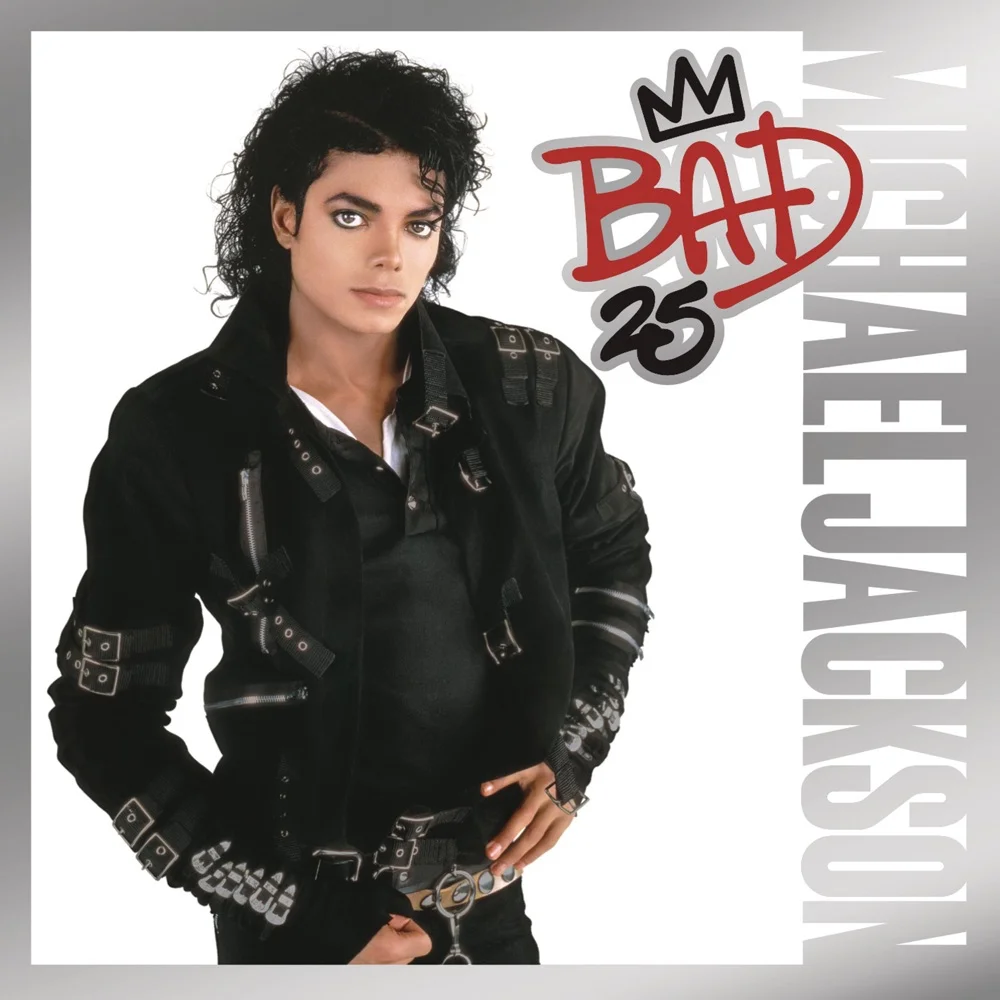
The Anthem of Self-Reflection
"Man in the Mirror" is one of Michael Jackson's most critically acclaimed vocal performances from the Bad album. Unlike his funkier hits, this is a mid-tempo ballad with heavy gospel influences. The song starts intimately but ends in a massive, choir-backed crescendo that demands incredible stamina.
To sing this well, you need to master MJ's signature rhythmic hiccups and breathy tone in the verses, while reserving enough power for the high belts in the final minutes. Let's break down exactly how to tackle it, section by section.
Phase 1: The Breathy Verses (0:00 - 1:15)
The song begins in G major. The opening lines ("I'm gonna make a change...") sit in a comfortable lower register (G2-G3). The challenge here is texture. You want a high air-to-tone ratio (breathy quality).
The Trap: Don't sing this too "straight" or classically. Add slight cries and rhythmic "hiccups" at the end of phrases to capture the emotion without over-singing early on.
Phase 2: The Chorus (1:15 - 2:50)
Here, the dynamics must lift. You need to transition from the breathy verse into a clearer, chest-dominant mix. The melody hovers around D4 and E4.
- Resonance: Move the sound forward into the "mask" (nasal resonance) to cut through the mix.
- Vowels: Modify vowels to be narrower. Sing "Mirror" more like "Meer-rah" to help facilitate the resonance.
Phase 3: The Modulation & Gospel Ad-libs (2:50 - End)
At 2:50, the song modulates up a semitone to A♭ Major. This is the climax. The choir enters, and MJ begins improvising high ad-libs over the main melody.
The famous "Make that change!" shouts reach up to a belted C5. To hit these safely, engage your core support heavily and think of singing "down" into the note rather than reaching up for it. This requires a strong, developed mixed voice.